

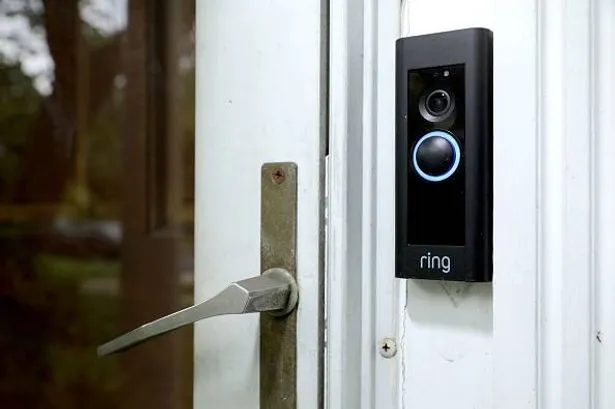
Discovering a neighbor’s CCTV camera or video doorbell directed towards your property can understandably spark privacy concerns. However, determining if a legal boundary has been crossed involves more than just the camera’s orientation. While homeowners generally have the right to install surveillance systems for security, specific data protection laws come into play if these devices capture footage extending beyond their own property lines.
Understanding Domestic CCTV and Privacy Laws
Homeowners are typically permitted to set up CCTV or smart doorbells to enhance their home security. This is according to guidance from the Information Commissioner’s Office (ICO), the UK’s independent body responsible for upholding information rights. The crucial factor arises when these devices record images or audio from areas outside the owner’s property. This can include neighboring gardens, driveways, or even public footpaths.
When footage extends beyond the property boundary, data protection legislation, such as the UK General Data Protection Regulation (UK GDPR), is likely to apply. Government advice emphasizes that domestic CCTV systems should be positioned to minimize intrusion into others’ privacy as much as possible. Homeowners are encouraged to consider what their systems are recording and whether less intrusive methods, like adjusting the camera angle or utilizing built-in privacy settings, could offer comparable security benefits.
Key Considerations for Camera Placement and Use
- Minimizing Intrusion: Cameras should be aimed to capture only what is necessary for security, avoiding unnecessary surveillance of neighboring properties or public areas.
- Legitimate Reason: The operator of the camera must have a valid reason for recording data beyond their property boundary.
- Data Protection Compliance: If recordings include neighboring property or public spaces, the operator must adhere to their obligations under data protection law.
It’s important to note that a camera is not automatically deemed unlawful simply because a small portion of your property is visible in its frame. The ICO acknowledges that many domestic systems may inadvertently capture minor areas outside the owner’s boundary. However, the responsibility lies with the camera operator to ensure they have a legitimate purpose for this recording and comply with legal requirements.
Steps to Address Concerns About Neighbor’s CCTV
If you are concerned about a neighbor’s surveillance equipment, the initial and often most effective step is to engage in direct communication. Many disputes can be amicably resolved through a simple conversation. Explaining your privacy concerns to your neighbor might lead them to voluntarily reposition the device or activate privacy masking features that block specific areas from view.
Your Rights Under Data Protection Law
Individuals who are recorded by a domestic CCTV system may possess specific rights under UK data protection laws. The ICO outlines these rights, which can include:
- Inquiring About Recording: You have the right to ask the camera owner whether you are being recorded.
- Objecting to Processing: In certain situations, you can object to the processing of your personal data.
- Subject Access Request (SAR): You can formally request a copy of any footage that contains your image. This is known as a Subject Access Request.
These rights empower individuals to gain more control and understanding over how their personal data (in this case, their image) is being captured and potentially used.
Escalating Concerns and Resolution Options
Should informal discussions with your neighbor prove unsuccessful, there are further avenues for addressing the issue. Complaints regarding domestic CCTV systems can be formally raised with the ICO. The regulator will assess whether the camera owner is fulfilling their legal responsibilities, particularly where data protection law is applicable. However, it is important to understand that not every complaint will result in enforcement action by the ICO.
It is crucial to remember that the mere ownership or installation of a Ring doorbell or CCTV system does not, in itself, constitute wrongdoing. Many individuals install these devices for legitimate security purposes, such as deterring criminal activity and safeguarding their homes. The key is that they operate these systems responsibly and with due respect for the privacy of others.
Mediation and Legal Action
If the situation escalates into a broader disagreement with your neighbor, exploring mediation services could be a beneficial step before considering more formal legal action. GOV.UK often recommends attempting to resolve neighborly disputes through informal channels first. Court proceedings, while a potential option, can be lengthy and financially burdensome.
The Deciding Factor: What is Recorded and How it’s Used
Ultimately, the legality and privacy implications of a neighbor’s surveillance equipment hinge not on whether it points towards your home, but on precisely what it records and how that footage is subsequently utilized. If your neighbor’s CCTV or video doorbell captures areas beyond their property, they may indeed be subject to UK data protection laws. However, this compliance requirement does not automatically mandate the removal of the camera. Responsible operation and adherence to privacy regulations are the central tenets governing the use of such devices.
