

A vibrant resurgence of 1960s music and mod culture is captivating a new generation of young fans and musicians. This burgeoning scene, drawing inspiration from the foundational sounds of rock ‘n’ roll and the British beat era, is characterized by original songwriting, authentic vintage fashion, and a dedication to the era’s distinctive aesthetic. The movement echoes the creative explosion of the 1960s, marked by landmark albums like The Beatles’ ‘Revolver,’ which pushed the boundaries of pop music.
The Forty Fours: A Modern Echo of 60s Beat
Among the leading lights of this revival is the band The Forty Fours, affectionately dubbed the ‘Fab Three’ by their growing fanbase. Emerging from Cornwall as teenagers, the band relocated to London and quickly secured a record deal with Blow Up Records, helmed by veteran club promoter Paul Tunkin. Their debut single, ‘Now She’s Gone,’ showcases a sound deeply reminiscent of early Beatles tracks, demonstrating their mastery of the era’s melodic and harmonic sensibilities.
The Forty Fours are experiencing considerable success, playing to packed venues across the country multiple nights a week and drawing large crowds to London’s iconic clubs. Drummer Andy Stander, 21, described the atmosphere at their single release party at the Flamingo Club near Carnaby Street, noting the importance of adhering to the mod dress code: “You stood out like a sore thumb if you weren’t in a suit or a dress.” Guitarist and singer-songwriter Oliver Harriss, 23, humorously added that bassist Jason Bazeley, 21, “had to wear a dress so he didn’t stand out too much,” highlighting the playful camaraderie within the band.
Despite the challenges facing grassroots music, The Forty Fours are making a full-time living from their passion. Their touring schedule is extensive, taking them to legendary venues like Liverpool’s Cavern Club and the Isle of Wight. Their forthcoming album was recorded live at Fish Factory Studios in North London, utilizing vintage analog equipment to capture a raw, authentic sound. Most tracks were laid down in a maximum of three takes, preserving the spontaneity and energy of their live performances.
Musical Roots and Influences
Oliver Harriss explained his journey into the 1960s sound, which began with an interest in punk music at age 12. “I basically figured out one day that all the Sex Pistols songs were just Eddie Cochran songs,” he recalled. This led him to explore early rock ‘n’ roll pioneers like Gene Vincent and Buddy Holly. “Then all of the early beat bands and the 60s groups were covering their songs. So then it was an easy transfer into them. And that’s what we are.” He expressed ambition for the band’s future, stating, “Give me a few more years and we’ll be the Jackson 3.”
Tickety Boo Nights: A Hub for Mod Culture
Complementing the rise of new bands are dedicated club nights like Tickety Boo, held at the Helen of Troy venue in London’s West End. DJ Charlotte Lewis, 26, is one of five regular DJs at these events. Her own connection to mod culture stems from her family; her mother was part of a large family where older sisters were original 1960s mods. While a family “underlying reminiscence” existed, Lewis found her personal entry point through watching classic television shows like ‘The Monkees,’ ‘The Goodies,’ and ‘The Good Life’ with her mother. “I think watching those shows gave me a bit of a nostalgia, and then I got really into the fashion and the music, and then it’s slowly been collecting since I was a teenager really,” she said.
The Tickety Boo nights focus on playing music exclusively from vinyl records, featuring rhythm and blues, Latin soul, and British beat genres. The emphasis on smart dress is a key component of the experience, contributing significantly to the overall atmosphere. The club night was established because the existing mod nights in London were perceived to cater primarily to a 1990s audience. “We had records, we liked playing our records, we liked dressing up, and we wanted an excuse for us to do it with all of our pals,” Lewis explained. “And then slowly more and more young people started coming, which was quite surprising, and it’s grown a lot bigger than I think we ever expected it to.”
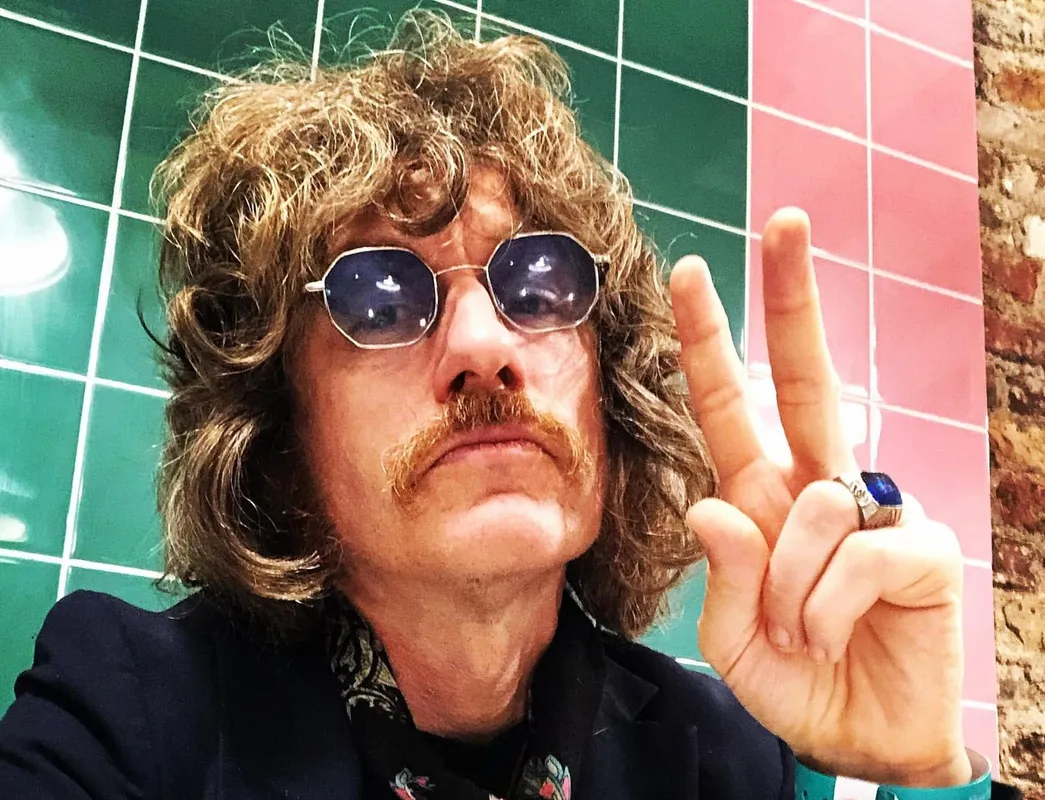
The scene also includes figures like Tom McQ, who is described as a “mod Bob Dylan.” McQ actively supports emerging bands and fosters a sense of community within the scene. He speaks of a “third wave” of mod culture, following the original 1960s movement and the 1990s Britpop era.
A Community Forged Through Music
McQ believes that the recent period of lockdown, which limited social interaction, has fueled a desire for community among young people. “There was a generation who were in lockdown not so long ago who were denied access to their friends and being out and about, and their saviour was music,” he stated. “They listened to music, it literally saved them, they learned from the best, and then they hungered for community. So when they came out, they formed bands.”
A notable aspect of this new wave is its collaborative spirit. “What’s really great about Third Wave is these bands aren’t putting each other down and saying, ‘you’re s*** and we’re better’,” McQ observed. “They’re actually jumping up on stage with each other, all helping each other, a friendly bunch who really like being in each other’s company. So it’s a beautiful time for music.” This supportive environment, combined with a genuine passion for the music and fashion of the 1960s, is driving the continued growth and success of this exciting cultural revival.
