

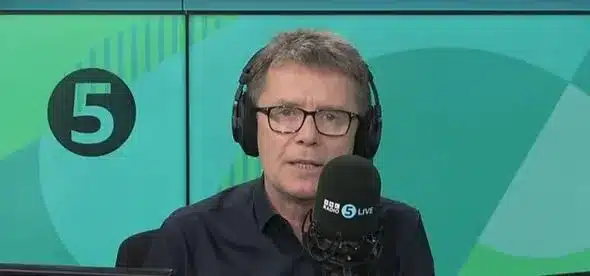
Nicky Campbell, a veteran broadcaster with nearly four decades of experience at BBC Radio 5 Live, has issued an apology after using a homophobic slur during a recent work meeting. The incident occurred when Campbell, 65, recounted an anecdote to six editors and producers on his show. During the story, he used the word “poofter,” which he stated was used by someone else in the original incident he was describing.
Incident Details and Apology
According to reports, the use of the slur prompted an immediate reaction within the meeting. One editor reportedly apologized for any offense caused shortly after the anecdote concluded. Following this, Campbell addressed the entire team directly to offer his personal apology for the remark.
Sources present at the meeting described a mixed reaction, with some colleagues reportedly dismissing the incident while others expressed shock and offense. “There’s been a growing backlash since then,” one individual familiar with the situation commented. “There are people who could be really offended by the comment.” The concern stems from the potential for such language to cause distress and alienate individuals within the workplace and the wider community.
The BBC confirmed that Campbell apologized to the team in person after recounting the story where the offensive term was used by another individual. The broadcaster declined to comment further on the specifics of the internal discussion.
Nicky Campbell’s Career at BBC Radio 5 Live
Nicky Campbell has been a prominent figure at BBC Radio 5 Live for many years. He has hosted the mid-morning show since 2021. Prior to this, he spent two decades co-hosting the BBC Radio 5 Live Breakfast program, establishing himself as a familiar voice for listeners. His broadcasting career extends beyond Radio 5 Live, having also presented well-known television programs such as the BBC music show Top Of The Pops and the ITV game show Wheel Of Fortune during the 1980s and 1990s.
Campbell is married to journalist Tina Ritchie, and they have four children. His long tenure and public profile make such incidents subject to considerable attention.
Broader Context of Scandals at the Radio Station
This incident involving Nicky Campbell is not the first controversy to affect BBC Radio 5 Live in recent times. Last month, host Tony Livesey announced he was stepping back from his regular program following allegations of sexual abuse involving a former colleague, David Sullivan. Livesey had previously served as editor-in-chief for newspapers owned by Sullivan, who was the subject of a joint investigation by the BBC’s Panorama program and The Times newspaper in June.
The BBC stated that Livesey’s departure from his show was for a “short time” and emphasized that the allegations, some of which implicated Livesey himself, were being taken “seriously.” The broadcaster has faced scrutiny regarding its handling of workplace conduct and allegations of misconduct among its staff and associated individuals.
Understanding the Impact of Homophobic Language
The use of homophobic slurs, such as the word employed by Campbell, carries significant weight due to its historical and ongoing association with discrimination and prejudice against LGBTQ+ individuals. Such language can create a hostile environment, undermine professional relationships, and cause deep personal offense.
In professional settings, particularly within media organizations that reach a wide audience, the choice of language is crucial. Broadcasters and journalists are often seen as role models, and their words can influence public perception and attitudes. The BBC, as a public service broadcaster, has a responsibility to uphold standards of inclusivity and respect in its programming and internal operations.
The apology from Nicky Campbell acknowledges the harm that such language can cause. The mixed reactions reported from the meeting highlight the varying sensitivities and perspectives that exist even within a single workplace. While some may have perceived the remark as an unintentional slip or a poorly chosen anecdote, others recognized its potential to offend and perpetuate harmful stereotypes.
Moving Forward: Accountability and Workplace Culture
Incidents like this underscore the importance of ongoing dialogue and education regarding diversity, inclusion, and appropriate workplace conduct. For media organizations, maintaining a culture where all employees feel safe, respected, and valued is paramount. This includes addressing the use of offensive language promptly and effectively, ensuring that apologies are sincere and that appropriate measures are taken to prevent recurrence.
The public nature of broadcasting means that the actions of presenters and staff are often under scrutiny. Campbell’s apology, while a step towards accountability, also serves as a reminder of the need for vigilance in language and behavior, especially in a diverse and evolving society. The focus remains on fostering an environment free from prejudice and discrimination, both within the BBC and in the broader public discourse it helps to shape.
The situation at BBC Radio 5 Live, encompassing both Campbell’s apology and the ongoing issues surrounding Tony Livesey, brings into sharp focus the challenges faced by large media institutions in managing workplace conduct and ensuring adherence to their own standards of respect and professionalism.
