

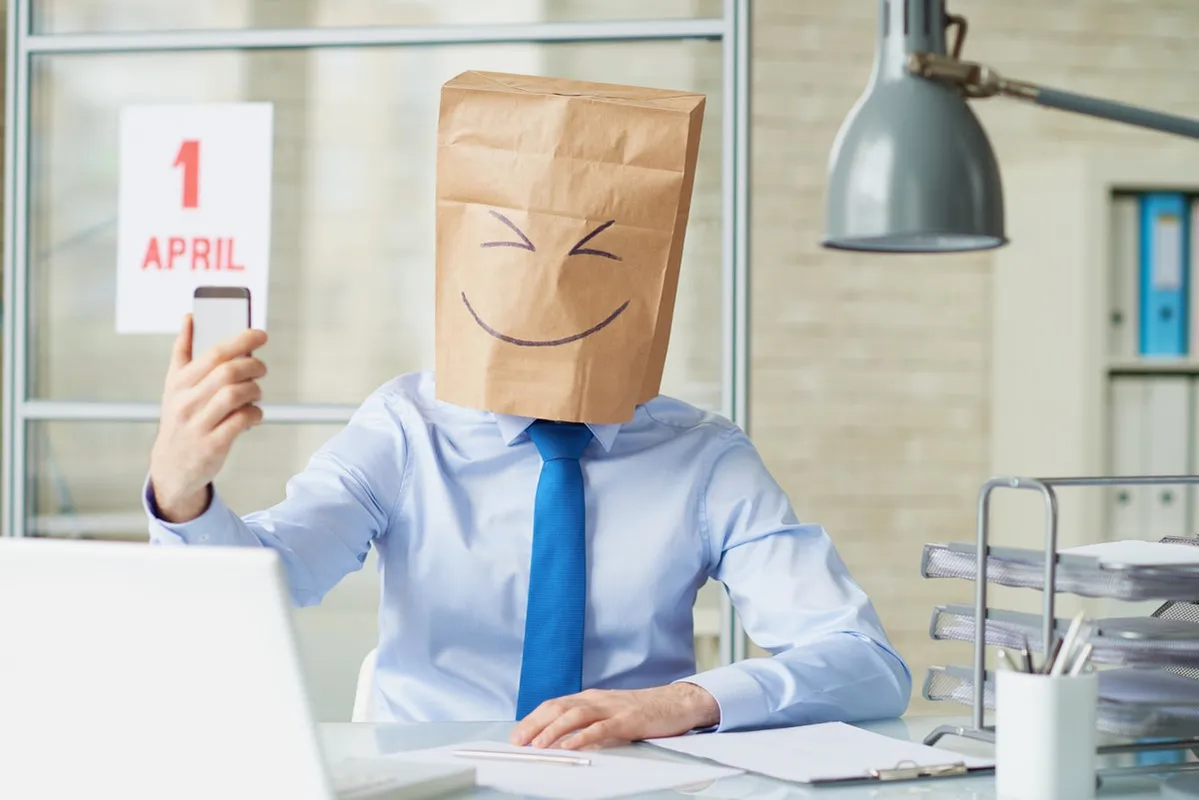
April Fools’ Day offers a unique opportunity for lighthearted pranks, a custom that has evolved over centuries. While many jokes bring joy, others cross into harmful territory, particularly in media and politics. Balancing fun and responsibility remains essential.
Roots in 16th-Century France
Historians trace the tradition’s origins to the 1500s in France. The shift from the Julian calendar, which began the year on April 1, to the Gregorian calendar prompted the change. Those who persisted in celebrating New Year’s on April 1 earned the label “April fools” and faced playful tricks, such as fool’s errands.
Folklorist Nancy Cassell McEntire notes common requests included a left-handed screwdriver, a board-stretcher, a stick with one end, striped paint, steam in a bucket, pigeon milk, elbow grease, or even a fallopian tube. These hoaxes often carried a subversive twist and expanded in scope over time.
Media Hoaxes in the 20th Century
Broadcast media amplified April Fools’ pranks in the 1900s. Reputable outlets embraced the day with elaborate deceptions mimicking serious reporting. A standout example aired on the BBC’s Panorama in 1957: a segment depicting Swiss farmers harvesting spaghetti from trees, marking television’s first major April Fools’ stunt.
Australian Broadcast Tricks
In Australia, public broadcasters joined the fun. In 1970, a current affairs show featured the “Dial-O-Fish,” a fictional gadget promising success for novice anglers. Later pranks included a 1970s report claiming the Sydney Opera House was sinking, complete with underwater diver footage for realism.
In 1975, another segment announced Australia’s switch to “metric time,” with 100 seconds per minute, 100 minutes per hour, and 20-hour days. Footage showed Adelaide Town Hall’s altered clock face. South Australian Deputy Premier Des Corcoran endorsed the idea on camera, sparking mixed reactions—amusement, confusion, and some anger from viewers.
These pranks stayed harmless, with quick reveals preventing lasting harm.
Challenges in the Digital Age
The digital shift has transformed news consumption. Fragmented audiences, armed with smartphones, approach information skeptically amid misinformation. Broadcasters now hesitate on pranks to preserve trust.
Social media exacerbates risks, where context vanishes and clips spread rapidly. Recent examples highlight pitfalls: ITV presenter Georgina Burnett’s fake pregnancy post offended those facing fertility struggles. Queensland politician Ryan Murphy’s claim of Brisbane annexing Redlands drew backlash over higher rates and lost autonomy, echoing real geopolitical tensions.
In today’s post-truth landscape, pranks touching sovereignty or safety often fail. Digital savvy and awareness of inequality make audiences quick to call out insensitivity, signaling the end of unchecked jests from authority figures.
