

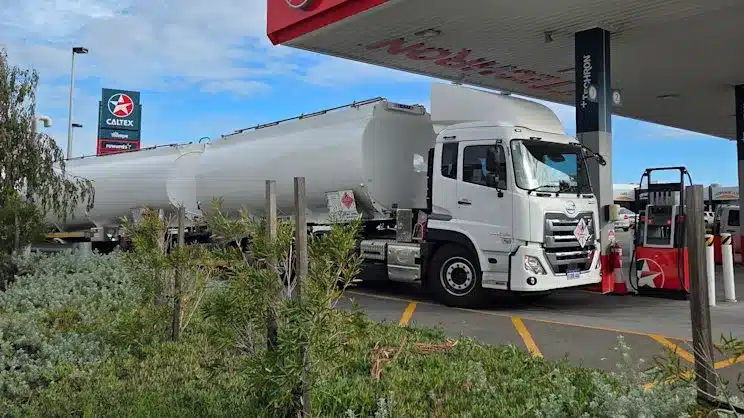
Drivers in Perth and across Western Australia are bracing for a substantial increase in fuel prices, with today marking the cheapest point at the bowser for the year. The average price currently stands at $1.48 per litre, a figure set to rise significantly as a key federal government measure concludes.
Federal Fuel Excise Changes Drive Price Hikes
The impending surge in fuel costs is primarily attributed to the cessation of the federal government’s fuel excise reduction. This excise, a tax levied on fuel, was previously halved from 32 cents per litre to 16 cents per litre. However, this temporary measure is set to expire, meaning the full excise rate will be reinstated. This change is expected to add approximately $10 to the cost of a typical car tank.
The fuel excise is a significant component of fuel pricing, and its reinstatement will directly impact the retail price consumers pay at the pump. This adjustment is part of broader fiscal policy decisions and reflects a return to pre-pandemic tax levels on fuel.
State Government Offers Partial Relief
While the federal change will undoubtedly lead to higher prices, Western Australian drivers will have access to a state-provided rebate to help offset the increased costs. Starting tomorrow, eligible residents can claim a $100 fuel payment. This initiative is designed to provide some financial relief to households managing the rising cost of living, particularly concerning transportation expenses.
The claim process for this $100 fuel payment is streamlined through the ServiceWA app, aiming for user convenience and accessibility. This state-level support is a direct response to the anticipated financial strain on individuals and families due to the federal excise reinstatement.
Understanding the Impact on Your Wallet
To put the price increase into perspective, consider the following:
- Current Average Price: Approximately $1.48 per litre.
- Expected Increase per Litre: Around 16 cents per litre due to the reinstated excise.
- Impact on a Full Tank: For a vehicle with a 60-litre fuel tank, this translates to an additional cost of roughly $9.60 (60 litres * $0.16/litre).
- Total Additional Cost: The addition of about $10 per tank is a conservative estimate, reflecting the combined effect of the excise reinstatement and potential fluctuations in wholesale fuel prices.
This increase comes at a time when many households are already contending with rising inflation and other cost-of-living pressures. The cost of fuel is a fundamental expense for many, impacting everything from daily commutes to the price of goods and services that rely on transportation for delivery.
Broader Economic Context
The decision to reinstate the full fuel excise is part of a wider economic strategy by the federal government. The temporary halving of the excise was implemented during a period of extreme global oil price volatility, aiming to provide immediate relief to consumers and businesses. Now, as global energy markets stabilize and the government seeks to manage its budget, the return to the original excise rate is being enacted.
Economists note that while such measures can offer short-term relief, their removal is often a necessary step for fiscal sustainability. However, the timing of such adjustments can be sensitive, especially when consumer confidence is fragile or inflation remains a concern. The state government’s rebate is a clear acknowledgment of the financial pressures faced by its residents.
What Drivers Can Do
In light of the upcoming price changes, drivers may consider several strategies:
- Fill Up Today: Take advantage of the current lower prices by filling your fuel tank before the increase takes effect.
- Utilize the ServiceWA App: Ensure you are set up to claim the $100 state government fuel payment as soon as it becomes available.
- Compare Prices: Even with the general increase, fuel prices can vary between different service stations. Using fuel price comparison apps or websites can help identify the cheapest options in your area.
- Drive Efficiently: Practicing fuel-efficient driving habits, such as maintaining steady speeds, avoiding harsh acceleration and braking, and ensuring tires are properly inflated, can help reduce overall fuel consumption.
- Consider Alternatives: For shorter trips, explore options like walking, cycling, or public transport if feasible.
Looking Ahead
The reinstatement of the federal fuel excise marks a significant shift in fuel pricing for Western Australians. While the state’s $100 fuel payment offers a welcome buffer, the underlying increase in fuel costs is unavoidable. Drivers are advised to be aware of the changes and plan their fuel purchases accordingly to mitigate the financial impact.
The interplay between federal and state policies highlights the complex factors influencing fuel prices and the ongoing efforts by governments to balance economic objectives with the cost of living pressures faced by citizens. As prices adjust, consumer behaviour and market dynamics will continue to shape the fuel landscape in Western Australia.
