

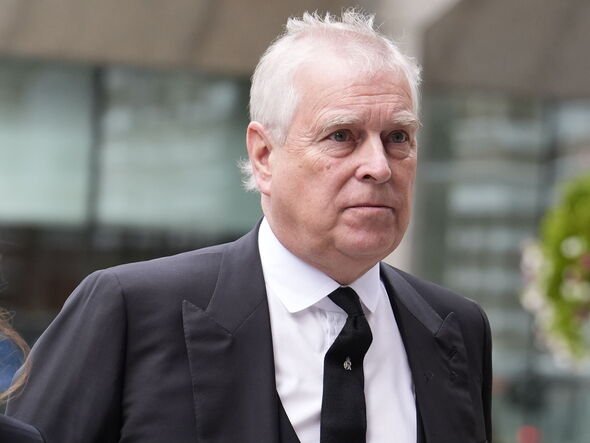
Andrew Mountbatten Windsor, formerly known as Prince Andrew, confronts escalating controversy following the unsealing of three million pages from the Jeffrey Epstein files. The documents reveal additional emails between Windsor and the convicted sex offender Epstein, alongside photographs depicting Windsor in a compromising position, apparently crouched over a woman on the floor.
Details of the Revelations
The newly disclosed materials highlight ongoing connections between Windsor and Epstein, contradicting Windsor’s previous public statements. These files underscore persistent questions about Windsor’s associations during and after Epstein’s legal troubles.
Expert Insights on the Implications
Royal commentator Richard Palmer analyzed the developments, noting the profound impact on the royal family. He stated, “Royal aides will likely attempt to shield the King and other family members from television broadcasts and morning newspapers today. This scandal persists relentlessly.”
Palmer further emphasized broader accountability issues, adding, “Many observers believe the British government must address Windsor’s conduct during his tenure as a trade envoy. Although the Palace has revoked his honors to create distance, successive disclosures continue to undermine his narrative from the 2019 television interview.”
Recalling Windsor’s account, Palmer explained, “He claimed to have terminated his friendship with Epstein and traveled to New York in December 2010 to do so. However, evidence indicates a sustained close relationship in the months after Epstein’s release from house arrest in July 2010.”
Palmer pointed to specific details, including “invitations extended to Epstein at Buckingham Palace and arrangements by Epstein involving a Russian woman, whose name also connects to another Epstein associate in business.” He concluded, “These elements raise critical questions demanding clear responses.”
Public Reactions
Social media users ed outrage and skepticism in response to the news. One commenter remarked, “Hiding the remote might cover it up temporarily, but true resolution requires accountability, facts, and consequences—not just avoiding the headlines. This exemplifies crisis handling: turn away from the issue by facing the furniture instead.”
Another observer noted, “The same individuals keep surfacing repeatedly in these stories.”
