

Financial markets are now overwhelmingly betting on an interest rate increase by the Reserve Bank of Australia (RBA) in September, with odds soaring to 95% following recent commentary from senior RBA officials. This strong market sentiment suggests the RBA board is poised to lift the official cash rate to 4.6% at its upcoming two-day meeting concluding on September 29.
RBA Officials Signal Higher Rates
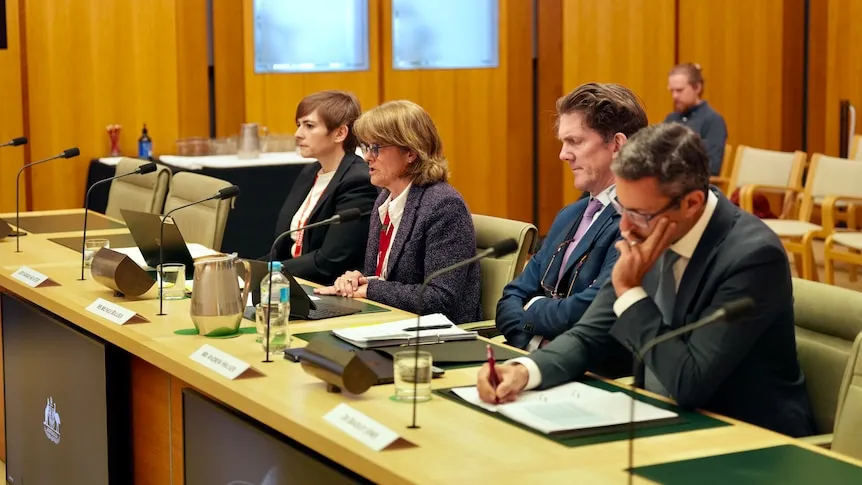
The likelihood of a September rate hike has been building, fueled by public appearances from RBA Deputy Governor Andrew Hauser and Chief Economist Sarah Hunter in recent weeks. Their remarks, coupled with testimony before federal parliament by Governor Michele Bullock, Deputy Governor Hauser, Assistant Governor Hunter, and Assistant Governor Brad Jones, have solidified economists’ expectations for a move.
Luci Ellis, former RBA Assistant Governor and now Chief Economist at Westpac, noted that while November might be tactically preferable, internal board members are signaling a desire for an earlier increase. “We think tactically November’s a better choice but certainly the internal members of the board are making noises that they want to go,” Ellis stated.
Robert Thompson, Head of Economics and Rates Strategy at RBC, has revised his forecast, now anticipating a September rate rise. Previously expecting a hike in November, Thompson now predicts the cash rate could peak at 4.85% if two increases occur, a level not seen since before the 2008 global financial crisis. “September now seems all but a lock, with November becoming the more contentious decision-point. On the other side of the cycle, we keep a first cut in November 2027,” Thompson wrote in a market note.
Marcel Thieliant from Capital Economics concurs, viewing a September hike as “a done deal.” However, he believes this will be the RBA’s final tightening move. “Monetary policy is already quite restrictive and we think the bank will be wary of causing a sharp rise in the unemployment rate,” Thieliant commented, suggesting that current policy is sufficiently restrictive to curb inflation without excessively damaging the labor market.
Market Expectations and Global Influences
Data from LSEG indicates that financial markets have priced in a 95% probability of a September rate increase. Furthermore, there’s a 37% chance of a subsequent hike in November. These expectations are being shaped by a complex global economic landscape, including persistent supply chain issues and significant investment in artificial intelligence, which may contribute to sustained inflationary pressures.
RBA Deputy Governor Andrew Hauser highlighted a shift in the long-term interest rate environment. He echoed sentiments from US economist Kenneth Rogoff, suggesting that the period of exceptionally low long-term rates between the Global Financial Crisis and the COVID-19 pandemic was an anomaly. “Interest rates were never going to be zero or near zero for a long while,” Hauser observed, implying that borrowers need to adjust to a new reality of potentially higher rates. He pondered whether public anxiety about current interest rate levels stems from this adjustment process.
Inflationary Pressures and Policy Trade-offs
RBA Governor Michele Bullock indicated that the central bank’s tolerance for elevated oil and fuel prices is diminishing, noting their prolonged persistence. “I think there’s much more of an inclination [from businesses] to think that we need to pass through these cost increases because it’s going to be much more persistent,” she stated. This suggests that businesses are increasingly factoring higher input costs into their pricing strategies, potentially embedding inflation.
Governor Bullock also addressed the challenging trade-off between controlling inflation and maintaining employment. She noted that supply shocks, particularly those originating from the Middle East, have exacerbated this dilemma. “And a typical textbook response people say is, ‘Well, it’s a transitory shock. You look through it, and then it will come back.’ But… it’s much harder to look through when there are persistent shocks, because of the risk that will flow through to inflation expectations,” Bullock explained. This implies that the RBA may need to act more decisively to prevent inflation expectations from becoming unanchored, even if it risks impacting employment.
Housing Market Dynamics
While acknowledging a cooling in the housing market, Governor Bullock downplayed the extent of the downturn. She pointed out that recent price declines follow a period of substantial growth, with housing prices remaining significantly higher than pre-pandemic levels. “These falls follow a period of strong growth — housing prices are still around 50 per cent higher than they were in early 2020,” she remarked.
Brad Jones, RBA Assistant Governor for the financial system, provided context on the Australian housing market’s performance compared to international peers. He noted that the surge in Australian house prices prior to COVID-19 exceeded that of many other advanced economies. In light of this significant run-up, Jones characterized the recent 5% to 6% declines in Sydney and Melbourne, and 1% to 2% in other states, as “not overly material.” This perspective suggests that the housing market, despite recent softening, remains robust in the longer term.
Conclusion
The confluence of hawkish signals from RBA officials and strong market pricing points towards a high probability of an interest rate hike in September. While economists debate the necessity and potential impact of further tightening, particularly concerning inflation expectations and the housing market, the central bank appears increasingly focused on bringing inflation back within its target range, even if it means navigating a more challenging economic environment.
