

As January 2026 draws to a close, the video game sector grapples with mounting challenges, including potential retailer closures, struggling major publishers, and disappointing holiday console sales. This turbulent landscape signals deeper issues, with developers shifting away from ambitious single-player titles toward live-service models and subscription-based content. High costs for new hardware and games further alienate fans, pushing many toward an alternative: the vibrant world of retro gaming.
Industry Shifts and Player Discontent
The current trajectory points to fewer standalone experiences and more reliance on ongoing online services. Publishers prioritize a handful of massive multiplayer projects annually, sidelining smaller, innovative efforts. Consoles grow pricier, while digital purchases often feel like temporary licenses rather than true ownership. This evolution has left many gamers disillusioned, prompting a resurgence in classic titles that recapture the joy of unadulterated play.
A Personal Journey into Retro Classics
My gaming roots trace back to the Super Nintendo Entertainment System (SNES), which ignited a lifelong passion. Early memories of a Commodore 64 exist but fade into obscurity; revisiting it yielded little appeal. The SNES, however, endures as a cornerstone, bolstered by modern platforms like Nintendo Switch Online’s Expansion Pack. This service unlocks a treasure trove of SNES, Sega Genesis (Mega Drive), and Nintendo 64 games, including rare Japanese exclusives and hidden masterpieces.
Collectors prize original hardware, though regional variations—like Europe’s slower PAL consoles with intrusive borders—pose challenges. Standouts in my collection include the shoot-’em-up Wild Guns, the gothic Castlevania: Dracula X, and the intense Hagane: The Final Conflict. These titles offer polished gameplay without modern monetization tactics.
Spotlight on Sega’s Underrated Gems
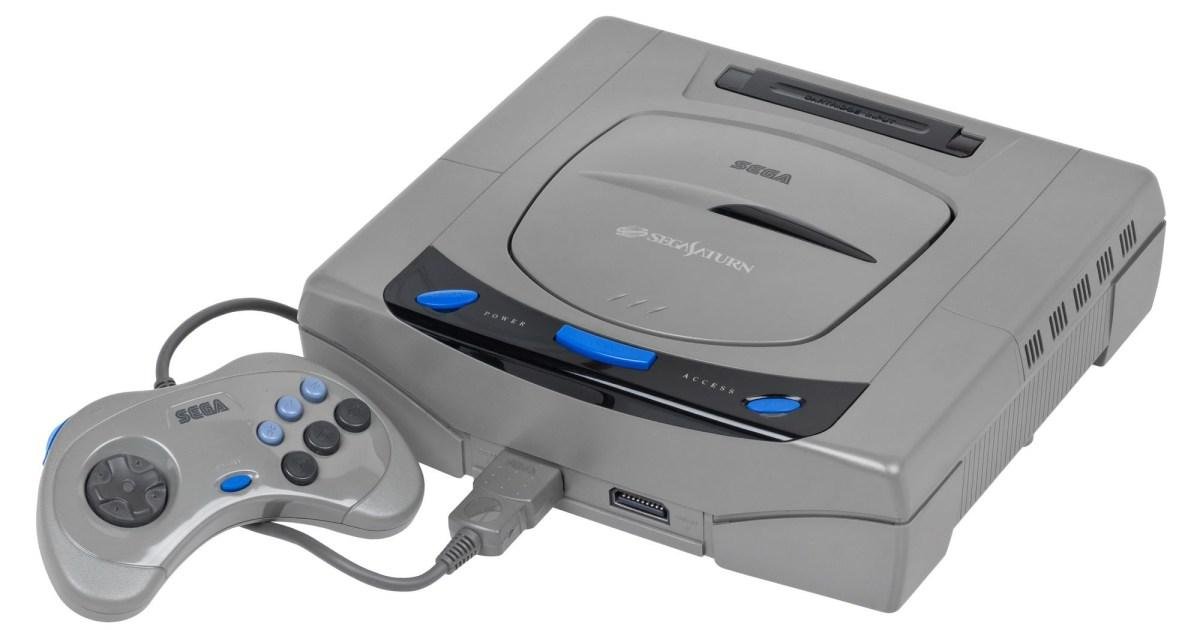
Beyond Nintendo, the Sega Saturn captivates with its cult status. Thriving in Japan yet flopping elsewhere, it boasts an array of exclusive titles overlooked in the West. Exploring its library proves as engaging as playing it, thanks to online resources that demystify emulation hurdles and spotlight rarities.
The Saturn’s depth lies in its variety: stealthy ninja adventures like Shinrei Jusatsushi Taromaru, mecha battles in Bulk Slash, the acclaimed shooter’s Radiant Silvergun, vertical scroller Sōkyūgurentai, and the speedy platformer Tryrush Deppy, echoing Sonic’s flair. Acquiring well-preserved copies demands patience and savvy sourcing, but the tangible satisfaction of physical ownership far outweighs dropping £70 on fleeting digital access or in-game microtransactions.
Why Retro Endures Over Modern Trends
Delving into retro gaming rekindles the medium’s essence—pure, creative fun unmarred by corporate pressures. It sidesteps the live-service grind and subscription fatigue, offering endless discovery in an era of industry uncertainty. As triple-A development teeters, this nostalgic revival sustains passion, promising longevity where new releases falter.
