

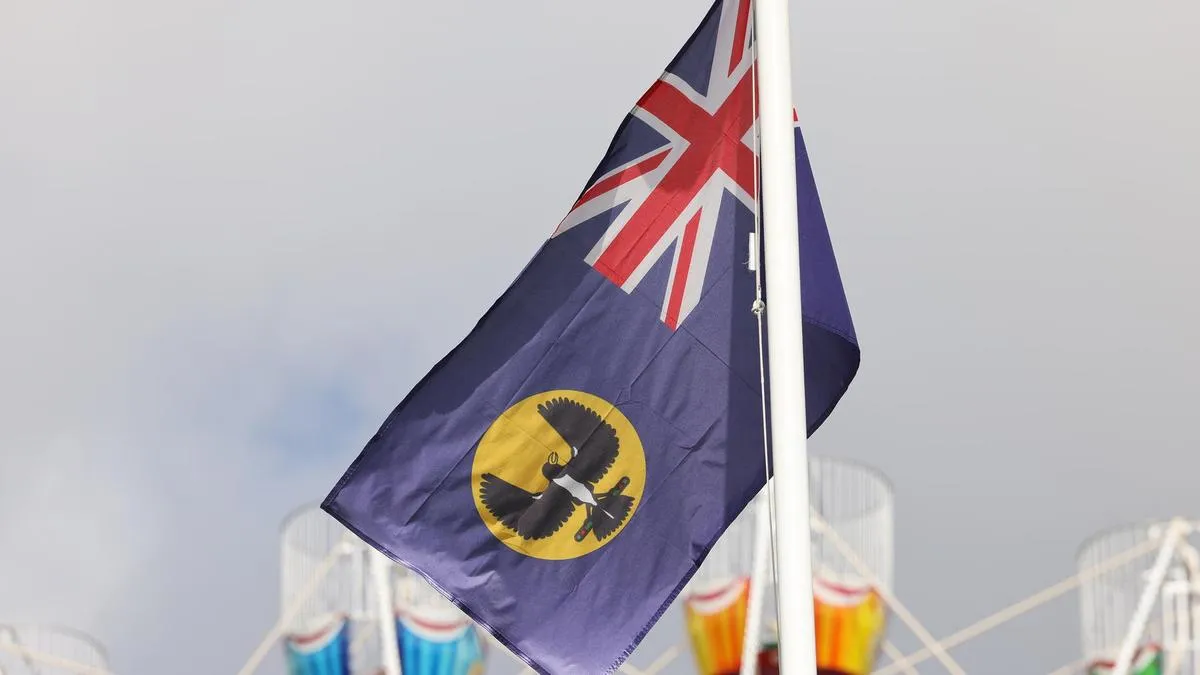
The Royal Adelaide Show has been compelled to cancel all avian-related events due to a significant outbreak of bird flu affecting South Australia. The decision comes as the state grapples with the highly contagious H5 strain of avian influenza, which has led to the deaths of over 140 birds, both confirmed and suspected cases, across the region.
Impact of the Bird Flu Outbreak
The widespread bird flu infections pose a serious threat not only to wild bird populations and domestic poultry but also to scavenging mammals such as Tasmanian devils and quolls, and even marine life like seals and dolphins. In response to the escalating biosecurity concerns, the organizers of the Royal Adelaide Show, the Royal Agricultural and Horticultural Society of South Australia, made the difficult decision to cancel all poultry and pigeon competitions.
Typically, the Royal Adelaide Show features an extensive avian exhibition, with approximately 1,600 different classes and awards dedicated to categories like eggs, pigeons, bantam chickens, ducks, fowl, and geese. The cancellation means a significant reduction in the scope of the agricultural displays usually present at the event.
Organizers’ Statement and Support for Exhibitors
Will Rayner, chief executive of the Royal Agricultural and Horticultural Society of South Australia, emphasized that the health and welfare of animals were paramount in making this decision. “We believe this is the right decision to support our exhibitors, our agricultural community and broader biosecurity efforts,” Rayner stated. He acknowledged the substantial commitment of exhibitors and volunteers, many of whom travel from regional areas to participate.
“Our exhibitors and volunteers invest significant time, effort and resources in being part of the Royal Adelaide Show, with many travelling from regional communities to compete,” Rayner added. “We wanted to provide as much notice as possible so they have clarity and can plan accordingly.” This proactive communication aims to mitigate the disruption for those who had prepared their birds for the show.
Government and Scientific Response
South Australian government officials and scientists from the Department of Primary Industries are actively working to contain the spread of the H5 bird flu strain. As of the latest update on Thursday, the state had recorded 87 confirmed cases and 57 suspected cases of the H5 avian influenza. Authorities have reassured the public that there have been no detections of the H5 bird flu in poultry or other livestock, and the risk to human health remains low.
The highly pathogenic avian influenza H5 has also been detected in other Australian states, including Victoria, Western Australia, Queensland, and New South Wales. Victoria reported its first case in Portland, in the state’s southwest, on July 30. Agricultural authorities in Victoria noted that this strain has caused severe illness and high mortality rates in poultry, wild birds, and other wildlife internationally, though human cases are rare and do not spread easily between people.
Broader Implications for Agricultural Shows
The cancellation at the Royal Adelaide Show highlights the significant biosecurity challenges posed by avian influenza outbreaks. The event’s decision may set a precedent for other agricultural shows across the country as they navigate similar risks. The Royal Queensland Show, celebrating its 150th anniversary, has also been approached for comment regarding their preparations and any potential impact on their avian exhibits.
The situation underscores the importance of robust biosecurity measures and rapid response protocols in managing infectious diseases within animal populations. The ongoing efforts by government agencies and scientific bodies are crucial in controlling the outbreak and protecting both animal and public health.
Understanding Avian Influenza (Bird Flu)
Avian influenza, commonly known as bird flu, is a viral disease that affects birds. The H5 strain, in particular, is a highly pathogenic form, meaning it can cause severe illness and high mortality rates in infected birds. While primarily an avian disease, certain strains can occasionally infect humans, though such occurrences are rare and typically linked to close contact with infected birds or contaminated environments.
Symptoms in birds can range from mild illness to rapid death. In poultry, the disease can spread quickly, leading to significant economic losses for farmers. Wild birds, especially waterfowl, often act as natural reservoirs for the virus, shedding it in their droppings and potentially spreading it over long distances.
Biosecurity measures, including surveillance, quarantine, and disinfection protocols, are critical in preventing the introduction and spread of avian influenza. The cancellation of poultry events at the Royal Adelaide Show is a direct consequence of these necessary precautions aimed at safeguarding animal health and preventing further transmission.
