

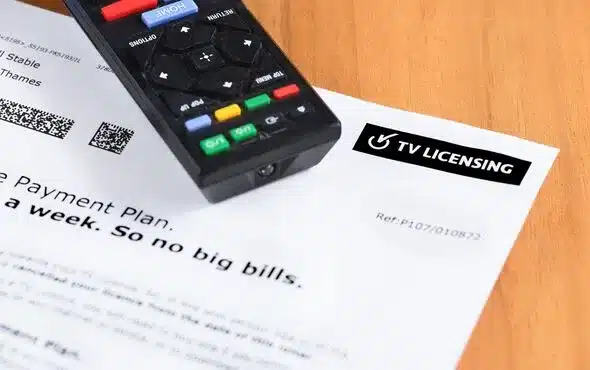
Many UK households may be paying for a TV Licence unnecessarily, potentially leading to significant annual savings. The cost of a colour TV Licence is set to rise to £180 per year, with a black-and-white licence costing £60.50, following the price adjustment on April 1, 2026. Understanding the specific viewing habits that necessitate a licence is key to avoiding unnecessary expenditure.
Understanding TV Licence Requirements
TV Licensing states that a licence covers the viewing of all TV channels, live broadcasts on pay TV services, and streaming platforms, as well as all content available on BBC iPlayer, regardless of the device used. However, the necessity of a licence for on-demand programming is a common point of confusion.
BBC iPlayer vs. Other On-Demand Services
Crucially, a TV Licence is required to watch any live or on-demand programmes broadcast on BBC iPlayer. This rule applies irrespective of the device being used. In contrast, viewers do not need a TV Licence to access on-demand content from other services, such as Netflix, ITVx, or YouTube.
Furthermore, if a household exclusively downloads or watches on-demand or catch-up programmes from services other than BBC iPlayer, a TV Licence is not required. Similarly, S4C programmes viewed on demand do not necessitate a licence.
Do You Need a Licence If You Don’t Own a TV?
The definition of what constitutes ‘watching TV’ has evolved with technology. A home TV Licence typically covers all devices capable of receiving TV signals, including smart TVs, computers, laptops, tablets, and mobile phones. This coverage extends to live TV on streaming services like Amazon Prime Video, YouTube, and Netflix, as well as all BBC iPlayer content.
Many of these devices have internal batteries and can be used away from home. A home TV Licence usually covers their use outside the home. However, a complication arises if such a device is plugged into the mains power at a secondary location and used to watch live TV channels, live streams, or BBC iPlayer. In this scenario, a separate TV Licence may be required at that address, unless the viewing is taking place in a vehicle or vessel, such as a car, train, or boat.
When is a TV Licence NOT Required?
A TV Licence is not mandatory for individuals who exclusively engage in the following activities:
- Watching S4C programmes on demand.
- Viewing content from DVDs or Blu-rays.
- Streaming, renting, or purchasing movies from providers like Sky, Virgin Media, EE TV, Netflix, Amazon Prime, Disney Plus, or Now TV.
- Watching video clips through platforms such as YouTube or playing video games.
- Accessing on-demand or catch-up programmes from services other than BBC iPlayer.
Essentially, if your viewing habits do not involve watching live television on any channel, pay TV service, or streaming service, nor do you use BBC iPlayer, you likely do not need a licence. This principle holds true regardless of the device used for viewing.
Penalties for Non-Compliance
It is important to note that watching, recording, or downloading television programmes without a valid TV Licence can lead to prosecution. Upon conviction, individuals may face fines of up to £1,000, in addition to any legal costs and compensation ordered by the court. In Guernsey, the maximum penalty is more severe, reaching up to £2,000.
Conclusion: Assess Your Viewing Habits
With the annual cost of a colour TV Licence approaching £180, a thorough assessment of personal or household viewing habits is advisable. By understanding the specific conditions under which a licence is legally required – primarily live TV and BBC iPlayer content across all devices – many consumers may be able to eliminate this expense and retain a significant sum of money each year. Conversely, failing to comply with the regulations can result in substantial financial penalties.
