

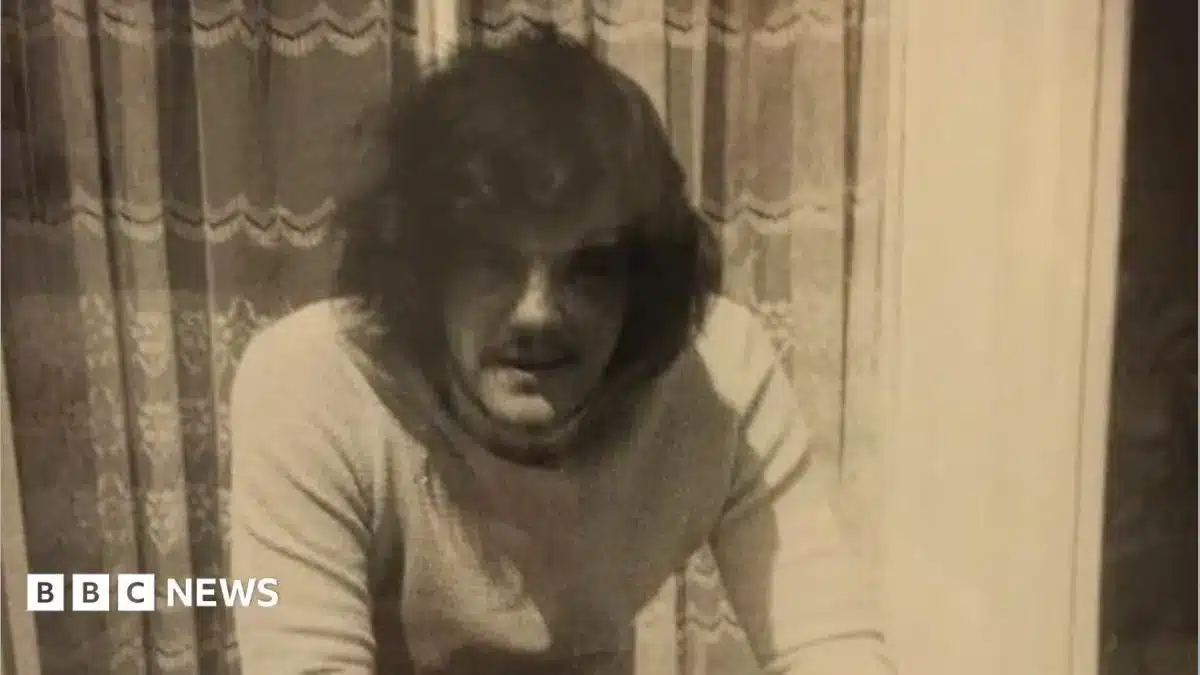
A man whose brother drowned at 19 due to cold water shock has shared his family’s profound grief, emphasizing the devastating impact of water-related fatalities. Doug Thomas, speaking out after his brother Gordon’s death in 1972, is now a vocal advocate for enhanced water safety education, joining a coalition to launch a new strategy aimed at significantly reducing drownings across the UK, particularly in Wales.
The Tragedy of Cold Water Shock
Cold water shock is a sudden, involuntary physiological response to unexpected immersion in water below 15°C (59°F). It can cause gasping, rapid breathing, and an increased heart rate, leading to disorientation and potentially drowning, even for strong swimmers. Doug Thomas’s brother, Gordon, a Royal Navy officer who could swim, drowned in Falmouth harbour after diving from a boat at night. Despite his swimming ability, the shock of the cold water and possibly alcohol consumption contributed to the fatal incident.
“It devastated my parents and ripped the family apart,” Doug recounted. “They separated seven years later.” The loss at such a young age left an indelible mark on the Thomas family, prompting Doug, then just 12, to dedicate nearly five decades to water safety advocacy. He has volunteered as a lifeguard for over 30 years, driven by the memory of his brother.
Urgent Call for Action: The Wales Drowning Prevention Strategy
The stark reality of water-related deaths in the UK is underscored by figures showing around 600 such fatalities annually. In Wales, the situation is particularly concerning, with an average of one drowning occurring each week in coastal and inland waters. Recognizing this growing public health challenge, families who have experienced such losses have united with government bodies, charities, and safety organizations to introduce the Wales Drowning Prevention Strategy.
This comprehensive strategy aims to tackle the issue from multiple angles. Key objectives include ensuring that every child and young person receives essential water safety education and learns to swim. It also seeks to adapt drowning prevention efforts to changing environmental conditions, such as increasingly common heatwaves that encourage open water swimming.
Statistics and Recent Incidents
Statistics reveal a significant gender disparity in accidental water-related deaths in Wales, with men accounting for eight in 10 victims. Young men aged 20 to 29 are identified as the most frequent demographic affected. Recent tragic events highlight the urgency of the strategy:
- Two recent deaths occurred at Llyn Geirionydd in Conwy, with the bodies of two men, aged 21 and another of unspecified age, recovered in early July.
- Earlier in the month, a teenager lost their life after being overcome by a strong current in the River Wye during a Duke of Edinburgh Award expedition.
Expert Endorsement and Future Vision
Officials have voiced strong support for the new strategy. Keith Reid, Deputy Chief Medical Officer for Wales, described every drowning as a tragedy with lasting consequences for families, friends, and communities. “One life lost is one life too many,” he stated, emphasizing the collaborative approach involving public services, schools, communities, and charities. “By bringing together public services, schools, colleges, communities, charities and partners across Wales, we can strengthen our shared mission to prevent avoidable deaths in, on and around water.”
Chris Cousens, Chair of Water Safety Wales, highlighted the severity of the problem, noting that Wales’ accidental drowning rate is more than double that of the UK as a whole. He expressed that despite ongoing efforts, fatality numbers have seen a slight increase since the first strategy was introduced. “The launch of this strategy is an opportunity for all of us in Wales to acknowledge that each of these deaths is a tragedy,” Cousens remarked. “Water Safety Wales believes one death is too many, we will reduce drowning if everyone plays their part and together, we can build a future with zero drownings where everyone in Wales can be safe in, on and around the water.”
Advocacy for Education and Awareness
Doug Thomas is particularly passionate about integrating water safety education into the core curriculum. “There is more education now and there is more knowledge, but we want these key water safety messages to appear in all schools, that’s our plan, get them into schools, colleges, and encourage children to learn, you know, to be aware of the dangers of swimming in open water,” he explained. He stressed the importance of caution in unsupervised areas like harbours, lakes, and quarries, especially during warmer weather when more people are drawn to open water.
The overarching goal of the new strategy is to foster a culture of water safety awareness, ensuring that preventative measures are robust and responsive. By equipping individuals with knowledge and promoting safer practices, the initiative aims to prevent future tragedies and protect communities from the heartbreak of losing loved ones to drowning.
