

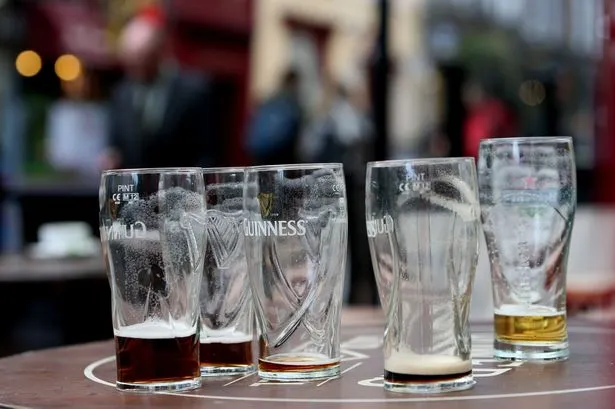
UK wet-led pubs stand to earn only 3p in profit for every £1 spent on a pint in 2026, a sharp decline from 5p last year and 7p the previous year.
Analysis Reveals Shrinking Margins
Recent analysis of cost data from the British Beer and Pub Association models the impact of key operating expenses. While average draught pint prices have climbed over the past two years, profits per pint have halved due to escalating costs.
Rising expenses, including wholesale prices, wages, business rates, and beer duty, erode margins significantly. Beer duty rises by 3.66% this year, adding about £35 weekly to bills, while wages increase by roughly £229.
Cost Breakdown Per Revenue Pound
Wholesale food and drink costs consume 41% of revenue, with wages accounting for 31%—the largest outlays. Utilities take 4%, business rates 3%, and other operating costs follow, leaving 6% gross profit, or 6p per £1, before rent.
Rent, which industry guidelines peg at around 50% of gross profit, reduces net profit to 3p per £1. For a typical £5.17 pint of lager, this translates to 16p profit per serving.
Future Challenges for Pubs
These pressures heighten the prospect of £10 pints in pricier regions. Pub closures continue nationwide, forcing landlords to choose between absorbing costs and thinning margins or raising prices and risking customer loss.
Joe Phelan, a business current accounts expert, states: “It’s easy to assume that rising pint prices mean pubs are making more money, but the reality is very different. Our data shows margins are shrinking, with only a few pennies left from every pound spent once costs, including rising beer duty, are covered. Without support, we risk losing not just businesses, but a cornerstone of British culture. With margins under such pressure, careful financial management is becoming more important than ever.”
