

Drug overdose deaths across the United States dropped significantly in 2025, totaling around 70,000 fatalities—a 14% decrease from the prior year. This continues a three-year decline, the longest in decades, based on preliminary federal data. The 2025 figure aligns closely with pre-COVID-19 levels from 2019.
Declines Across Drug Types and States
The Centers for Disease Control and Prevention notes reductions in deaths from fentanyl, cocaine, and methamphetamine. Nearly all states recorded fewer overdose fatalities, though Arizona, Colorado, and New Mexico reported increases.
Expert Optimism Tempered by Warnings
Brandon Marshall, a Brown University researcher focused on overdose trends, expresses cautious optimism: “I’m cautiously optimistic that this represents really a fundamental change in the arc of the overdose crisis.” Experts caution that overdose numbers stay dangerously high and could rebound due to policy changes or shifts in the illicit drug supply. Marshall adds, “If deaths are going down rapidly, that means they can increase just as rapidly if we take our foot off the gas.”
Historical Surge and Recent Reversal
Overdose deaths rose steadily for decades, exploding to nearly 110,000 in 2022 amid the pandemic’s social isolation and treatment access barriers. Declines followed as the crisis eased, driven by wider naloxone availability, expanded addiction services, changing drug use patterns, and funds from opioid settlements. Other factors include fewer teens starting drugs, deaths among chronic users, and China’s regulations curbing fentanyl precursors.
New Potent Substances Emerge
Health and law enforcement officials alert to novel, potent drugs infiltrating the supply. Alex Krotulski, director of the Center for Forensic Science Research and Education—a key toxicology lab in a national early warning system—reports his team identified 27 new substances in 2025 and 23 already in early 2026. These include cychlorphine, a synthetic opioid up to 10 times stronger than fentanyl, often used covertly in other drugs. Krotulski states, “The drug supply continues to change and evolve.”
Policy Changes Draw Criticism
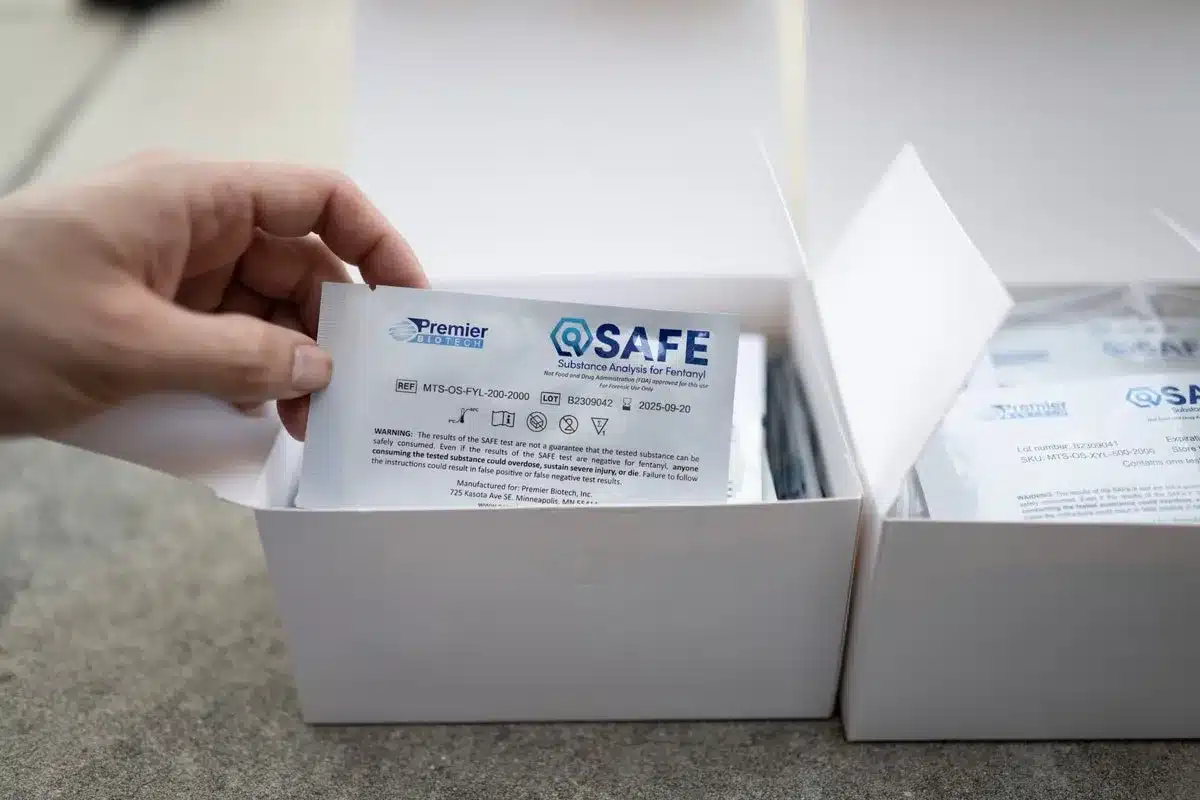
The Trump administration recently cuts funding for overdose prevention and drug-related infection programs. The Substance Abuse and Mental Health Services Administration notified grant recipients it will end support for test strips detecting lethal additives. Officials cite a pivot from services like clean syringes and drug-use hotlines, viewed as enabling illicit activity.
This shift faces backlash. Kimberly Douglas, founder of Black Moms Against Overdose after losing her 17-year-old son, stresses harm reduction’s role: “We are starting to see overdoses go down in some places and that’s because of harm reduction” services now targeted.
