

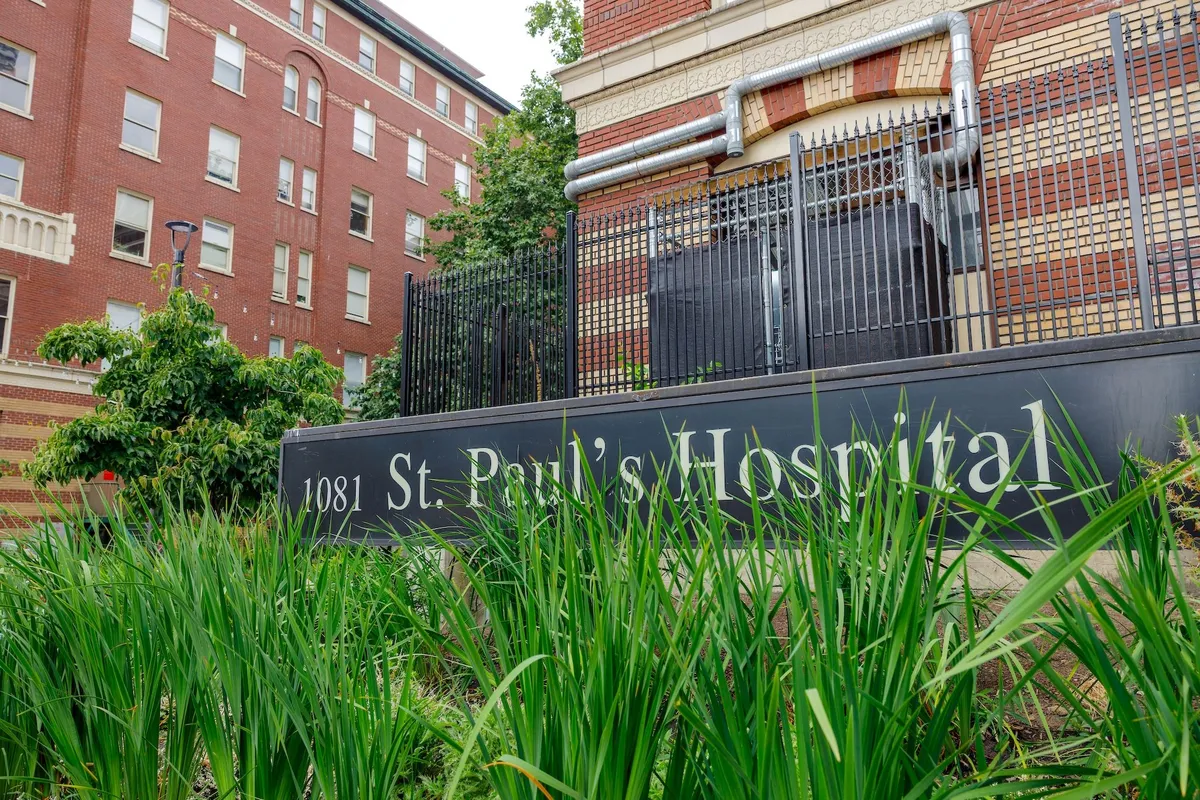
Vancouver is set to include two public safety questions on the ballot for its 2026 civic election, a move that offers voters a unique opportunity to gauge municipal candidates’ stances on critical issues, particularly concerning mental illness. The plebiscite questions will address the prohibition of open-air hard drug use in public spaces and the potential establishment of a secure medical facility with at least 100 involuntary treatment beds at the former St. Paul’s Hospital site. While the initiative has drawn some criticism as a political tactic or a waste of resources, proponents argue it is a vital democratic exercise to clarify municipal leadership’s commitment to addressing severe mental illness.
The Scope of the Vancouver Plebiscite
The decision by Vancouver City Council to incorporate these non-binding questions into the upcoming election aims to solicit public opinion on pressing public safety and health concerns. Premier David Eby expressed surprise at the potential for widespread support for such measures, highlighting a perceived consensus on the need for action. However, opposing viewpoints suggest the plebiscite is a politically motivated maneuver, questioning its efficacy and cost. Despite these debates, the underlying need for enhanced services and increased treatment capacity for individuals experiencing mental illness remains a central theme.
Mental Illness as a Municipal Concern
Traditionally viewed as a provincial jurisdiction, mental health care is increasingly being recognized as a significant municipal issue. The BC Schizophrenia Society advocates for placing mental illness squarely on the municipal election agenda, emphasizing that city leaders must engage with and develop policies addressing involuntary and voluntary treatment, housing solutions, and comprehensive wrap-around services. This perspective challenges the notion that municipalities are powerless in this domain, encouraging them to adopt proactive strategies, as exemplified by Vancouver’s approach.
The recent striking down of key sections of the BC Mental Health Act related to involuntary treatment by the Supreme Court of British Columbia underscores the urgency for municipal leaders to actively participate in these critical policy discussions. Voters deserve clarity on where candidates stand and their proposed approaches to these complex challenges.
Key Policy Areas for Municipal Candidates
The BC Schizophrenia Society has outlined a campaign platform that candidates should consider when developing their policies on mental illness. These recommendations focus on several key areas:
- Support for Treatment: This includes backing collaborative crisis response initiatives, providing education for frontline workers, and implementing early intervention programs designed to improve outcomes for individuals with severe mental illness and their families.
- Accessible and Affordable Care: Municipal planning processes should be encouraged to support community-based mental health services, thereby reducing barriers to accessing care and recovery supports.
- Supported Housing: Municipal leadership, planning, partnerships, and community engagement are crucial for supporting housing initiatives. Adequate supported housing is fundamental to recovery and overall community well-being.
- Inclusion of Lived Experience: It is essential to ensure that individuals with lived experience of severe mental illness and their family caregivers are actively involved in municipal consultations, planning processes, and community initiatives.
The St. Paul’s Hospital Proposal: A Starting Point
While Mayor Ken Sim’s proposal for the former St. Paul’s Hospital site is not presented as a singular solution, it is viewed as a constructive step that has initiated a crucial public conversation. Engaging the public directly through a plebiscite is seen not as a waste of time, but as a fundamental aspect of democratic engagement and an opportunity to build a mandate for action. Critics who oppose the plebiscite are now afforded a platform to voice their concerns, while proponents see it as a chance for leadership to present tangible plans for voter consideration.
Democracy, Vision, and Leadership
Elections are inherently about presenting new ideas and visions for the future, rather than simply maintaining the status quo. The act of critiquing a proposal is relatively cost-free compared to the effort required to develop and present a plan to the electorate for judgment. This distinction highlights the difference between passive opposition and proactive leadership on issues as critical as mental health care. Vancouver residents are being offered a significant opportunity to have their say and to elect municipal candidates who possess genuine, well-articulated ideas for addressing the profound challenges posed by severe mental illness within their communities.
The plebiscite questions, therefore, serve as more than just a public safety poll; they act as a crucial barometer for understanding where Vancouver’s future civic leaders stand on the complex and pressing issue of mental health care and its impact on the entire community.
