

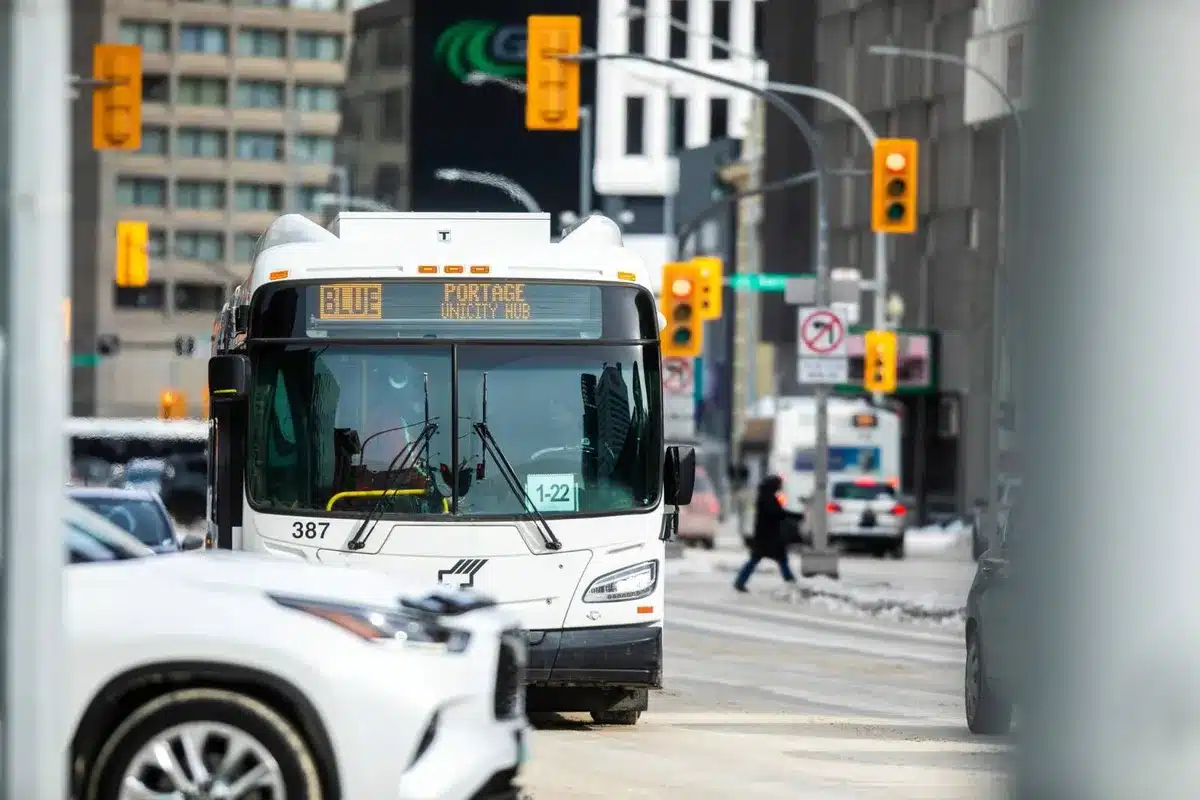
The union representing Winnipeg Transit drivers is urgently calling for the installation of full-height safety shields on all buses following a harrowing incident where an operator was threatened with a hatchet. The event, described by the union as a near ‘hijacking situation,’ underscores a growing concern over driver safety and has prompted renewed calls for enhanced protective measures.
Driver Threatened with Hatchet on City Bus
The incident occurred early Thursday morning at the St. Vital terminal. According to James Van Gerwen, president of the Amalgamated Transit Union Local 1505, a passenger repeatedly demanded the bus operator drive. After the bus departed the terminal, the passenger produced a hatchet from a bag and, reaching around the existing partial safety shield, threatened the driver. Fortunately, a police vehicle was in proximity and observed the situation, prompting the driver to flag them down.
While the driver was unharmed, the traumatic experience has led her to take a leave of absence. Van Gerwen noted that the driver, who is in the first year of her career, is deeply affected by the event. This incident adds to a significant number of drivers currently on stress leave, with the union reporting 64 operators off work due to psychological injury. These absences represent a substantial loss of operational time, estimated at over 30,000 days and 225,000 hours.
Escalating Violence Against Transit Operators
This latest threat is part of a disturbing trend of escalating violence against Winnipeg Transit employees. In the days leading up to this incident, two other altercations involving drivers were reported:
- On Tuesday morning, a 51-year-old man allegedly threw a beer can at a driver and then bit the driver when confronted. He has been charged with assault.
- Later that same day, a 31-year-old woman, after refusing to pay her fare, punched a supervisor who was enforcing rules outside a stopped bus. She faces a charge of assaulting a peace officer.
Additionally, two weeks prior, a driver was stabbed twice in the leg with a syringe by a passenger who reached around the existing safety shield. These repeated assaults have intensified the union’s demand for better protection.
Calls for Full-Height Safety Shields
Winnipeg Transit has acknowledged the rising violence and is reportedly exploring the replacement of the partial shields, installed in 2019, with full floor-to-ceiling compartments. A previous estimate suggested this upgrade could cost around $15 million. The City of Winnipeg had allocated approximately $2.7 million in its 2024 capital budget to pilot such shields, but this project has not yet commenced.
The Amalgamated Transit Union Local 1505 argues that the cost of inaction far outweighs the investment in full shields. Van Gerwen stated that the amount spent on Workers Compensation Board claims related to driver assaults could cover the cost of installing the shields within two years. He believes that delaying this measure is ultimately costing taxpayers money.
City data indicates 42 recorded assaults on bus drivers in uniform this year, a figure that rises to 104 in 2025, according to the union’s reporting. Van Gerwen is urging city officials to expedite the revision of cost estimates for the pilot project and include them in the upcoming transit capital budget submission.
Broader Safety Concerns Addressed
Councilor Evan Duncan has also voiced strong support for increased safety measures on transit. However, he emphasizes that the issue extends beyond physical barriers on buses. Duncan advocates for addressing the root causes of street-level violence, suggesting that individuals who pose a danger to the public need to be held in facilities that can provide necessary psychiatric care or be integrated into the corrections system if they commit crimes.
Duncan indicated he would support a motion to install full shields on routes identified as high-risk and anticipates that the topic will be a key point of discussion during budget deliberations following the municipal election in October. The union’s persistent advocacy, coupled with recent violent incidents, is placing significant pressure on the city to implement comprehensive safety solutions for its transit operators.
