

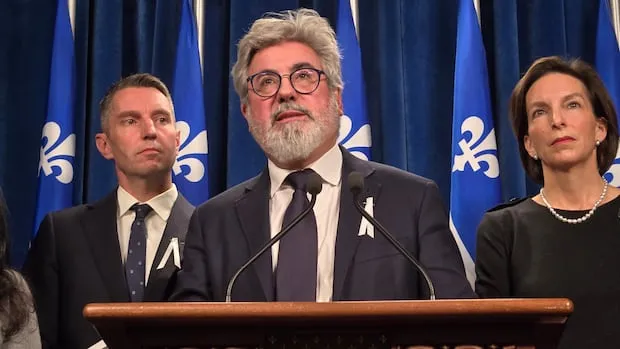
A detailed investigation reveals that text messages fueling a major scandal within the Quebec Liberal Party, which contributed to former leader Pablo Rodriguez’s resignation, were manipulated through cut-and-paste editing.
Investigation Background
The probe stemmed from text messages that surfaced last November, alleging party members received payments—dubbed “brownies”—to support Rodriguez in the leadership race. Jacques R. Fournier, former chief justice of the Quebec Superior Court, led the 39-page review to assess vote-buying claims, identify participants, and quantify impacts.
The report, released Wednesday, uncovers no evidence of misconduct but notes limitations due to reliance on voluntary witness statements without subpoena powers.
Key Findings on Text Manipulation
Fournier determined the published messages do not belong to discussions from April 11-13, 2025. Analysis shows they were inserted via selective cutting and pasting, with no dates or origins to verify authenticity.
No links implicate Liberal MNA Sona Lakhoyan Olivier, Coalition Avenir Québec MNA Alice Abou-Khalil, or Liberal MNA Fayçal El-Khoury, despite prior identifications by 98.5 FM.
The review also confirms Rodriguez and his campaign team had no knowledge of any “brownies” payments. It concludes that alleged activities, if any, did not sway the leadership outcome.
Rodriguez Response and Ongoing Probes
On social media, Rodriguez expressed gratitude to Fournier, stating, “His report clearly shows that my team and I never took part in or witnessed any wrongdoing during the leadership race.”
Quebec’s anti-corruption unit, UPAC, continues its probe into the vote-buying allegations. The National Assembly’s ethics commissioner, Ariane Mignolet, is examining Lakhoyan Olivier, who faces suspension from the Liberal caucus.
Legislative Changes
In response, Bill 14 amended Quebec’s Elections Act to outlaw vote-buying in leadership, mayoral, and nomination races—previously unregulated outside general elections. Offenders now face fines of $5,000 to $20,000 for first violations and $10,000 to $30,000 for repeats within 10 years.
