

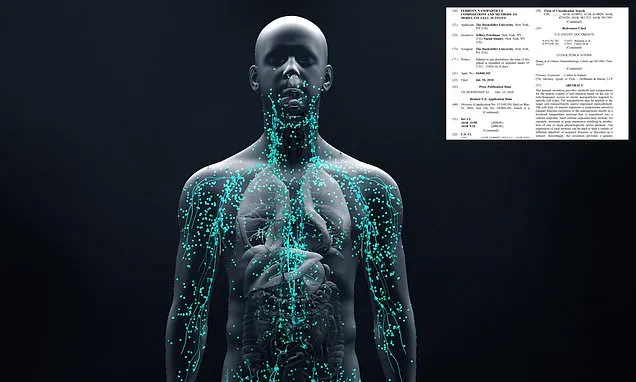
A groundbreaking patent from Rockefeller University introduces technology for remotely activating specific cell functions using nanoparticles and radiofrequency waves. The innovation, termed Nanoparticle Induced Circuit Excitation (NICE), targets cells with engineered particles that respond to external signals, opening new possibilities in medical treatments.
Mechanism of Remote Cell Activation
Researchers direct nanoparticles, including iron oxide or ferritin-based variants, to precise cell types either externally or internally. Exposure to radiofrequency fields causes these particles to generate localized heat, activating heat-sensitive channels like TRPV1. This process triggers calcium influx, leading to gene expression, protein synthesis, hormone release such as insulin, or neuron firing.
Key Experiments in Mice
Studies implant engineered insulin-producing cells into mice equipped with nanoparticles. Radiofrequency exposure heats the particles, prompting insulin release and swiftly reducing blood glucose levels, as charts confirm rapid drops in sugar alongside rising insulin.
Brain cell tests activate neurons in reward and feeding areas like the midbrain and hypothalamus, influencing appetite and motivation. Stem cell trials demonstrate remote control of cellular processes, while safety assessments show repeated exposures avoid overheating nearby tissues.
Promising Applications for Diseases
The technology targets conditions including diabetes, Parkinson’s disease, chronic pain, stroke, hormone imbalances, immune disorders, and neurological ailments. By enabling non-invasive activation, it offers precise control over deficient proteins or dysfunctional cells.
Social Media Reactions
Online discussions highlight concerns over potential misuse, fueled by the university’s Rockefeller ties. Speculation includes behavioral manipulation, despite the patent’s focus on therapeutics.
One social media user posted: “The global elites’ plans have been blown wide open. Does the patent registered in the name of Rockefeller University spell the end of humanity’s biological independence?”
No evidence supports non-medical uses; experiments emphasize safe, targeted medical responses.4140
