

Maribor: An Uncrowded European Secret Unveiled
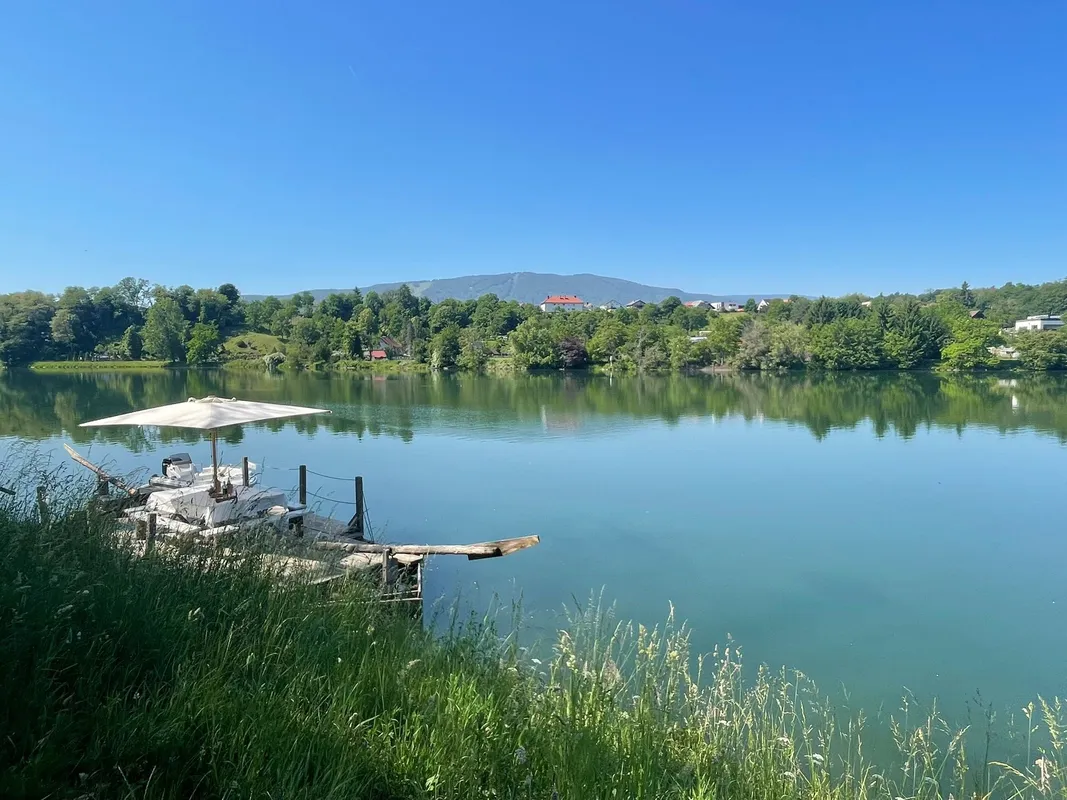
Floating gently down the Drava River, a glass of local wine in one hand and a slice of Slovenian cheesecake in the other, a profound sense of relaxation washes over me. The only soundtrack is the gentle birdsong, accompanying the glide past wild, tree-lined banks that eventually give way to charming, pastel-hued restaurants lining the cobbled waterfront. Our raft guide casually mentions the possibility of techno raves on these very rafts, a lively contrast to our current tranquil experience. Traveling with a friend, and with four young children back home, our primary goal was to find a destination offering genuine rest and rejuvenation.
Nestled between Italy, Austria, Hungary, and Croatia, Slovenia remains one of Europe’s most undiscovered treasures. A mere two-hour flight from the UK transports visitors to a land of dramatic snow-capped Alps, vibrant emerald rivers, and picturesque vineyard-covered hills. Its compact geography allows for a remarkable transition from mountainous terrain to the coastline in just over an hour. This captivating nation is also recognized as the birthplace of Melania Trump and uniquely incorporates the word ‘love’ within its name – sLOVEnia.
Maribor: A City Rich in Character and Wine Heritage
While many travelers gravitate towards the capital, Ljubljana, or the iconic Lake Bled, Maribor, situated just an hour east of the capital, offers a distinct and perhaps more authentic experience. It possesses a less polished, yet undeniably richer character. This is a city that feels lived-in, a place where residents go about their daily lives, rather than a destination solely curated for tourists. Its compact nature makes it easily explorable on foot, earning it the local moniker of ‘the fifteen-minute city,’ with all essential amenities within easy reach.
Recently designated as Europe’s Wine Capital for 2026, Maribor stands at the heart of the Štajerska region. This area is characterized by its undulating vineyards, historic medieval towns, and soothing thermal spas. The landscape exudes a sun-drenched, unhurried ambiance that often comes with a significant premium in other European locales. Imagine the allure of Tuscany, but without the crowds or the exorbitant prices. Comfortable accommodation options are readily available, with hotels starting around €90 per night.
The Old Vine and Labyrinthine Cellars: Maribor’s Wine Soul
In Maribor, wine is not merely a beverage; it is intrinsically woven into the city’s very identity, a constant and accessible presence. While other wine regions may boast prestigious labels, Maribor’s vinicultural narrative begins with a vine that was already bearing fruit during Shakespeare’s time. The Old Vine House proudly presents the world’s oldest producing vine, a remarkable Žametovka dating back 450 years. This resilient vine has weathered wars, fires, and political upheavals, yet continues to yield fruit annually.
A short distance away, concealed beneath the city streets, lies the Vinag 1847 Wine Cellar. This expansive labyrinth, stretching over 2 kilometers beneath the old town, is lined with immense oak barrels. Historical accounts suggest that in the past, restaurants situated above secretly tapped into these subterranean reserves, siphoning off wine so discreetly that the depletion went unnoticed for years. Today, the wine continues to flow freely. Cellar tours, wine tastings, and vineyard excursions are popular activities, with a glass of wine often costing as little as €3, making it easy to embrace the city’s relaxed pace.
Exploring the Surrounding Beauty: Ptuj and Beyond
The picturesque countryside surrounding Maribor is as compelling a draw as the city itself. A brief drive leads to Ptuj, Slovenia’s oldest town. Here, winding roads ascend towards a hilltop castle, with a mix of modern golf buggies and determined cyclists making their way to the summit. This scene encapsulates the local lifestyle: an active populace engaged with their environment. Cyclists are a common sight, hiking trails crisscross the hills, and residents embrace the Drava River for swimming throughout the summer months. It’s clear that people here don’t just coexist with nature; they actively celebrate it.
The quality of the coffee is also noteworthy, particularly when enjoyed with panoramic views stretching across terracotta rooftops, the meandering river, and distant mountains. Beyond the city, mornings can be spent discovering the imposing castles of Ormož and Borl, steeped in centuries of history, or ascending the 54 meters to the top of Ptuj’s bell tower. The experience of standing directly beneath the chiming bell is surprisingly exhilarating.
Culinary Delights and Family Traditions
The active pursuits naturally build an appetite, and leisurely lunches are a hallmark of Slovenian hospitality. At Glavinic, an organic farm restaurant operated by a father-and-son duo amidst rolling vineyards, beautifully prepared dishes are served in an atmosphere that is both sophisticated and utterly relaxed. It’s the kind of place where a simple lunch can effortlessly extend into a delightful afternoon in the sunshine. The culinary offerings reflect Slovenia’s position as a crossroads of Central Europe, incorporating influences from Austria, Italy, Hungary, and the Balkans. Expect cured meats, handmade dumplings, hearty stews, local cheeses, and freshwater fish, all expertly paired with the region’s abundant wines.
For those seeking extended stays, Glavinic offers rooms and apartments with views of a natural swimming pool, serving as an ideal base for couples and families desiring a slower pace of exploration. This emphasis on family extends to dinner at Familija Estate, a winery nurtured by three generations. Generous platters of organic cheeses and house-cured salamis, alongside sun-ripened tomatoes and wines produced on-site, create a memorable dining experience. Throughout the visit, a recurring theme is families working collaboratively, taking immense pride in their produce and warmly sharing it with guests.
Family-Friendly Attractions and Cultural Immersion
Maribor is not solely a destination for adults; families are equally well-catered for. A converted monastery houses one of Europe’s largest puppet theatre venues, presenting elaborate productions within historic vaulted ceilings. Along the waterfront, pottery workshops offer opportunities for both adults and children to hone their skills under the guidance of local artisans.
For a deeper understanding of the city’s past, the National Liberation Museum provides an engaging exploration of Maribor’s history, encompassing wartime experiences and even its skateboarding culture. Unusually for a museum, it actively encourages younger visitors’ participation. One dedicated room features interactive exhibits, allowing children to touch and engage with artifacts that would typically be displayed behind glass.
Reflections on a Memorable Visit
As the raft drifts back towards the city, a reflection on the past three days reveals a wealth of experiences: sipping wine beneath a centuries-old vine, ascending medieval towers and castles, enjoying a river journey on a wooden raft, and indulging in a generous amount of homemade Slovenian cuisine. While any destination can offer enjoyment, Maribor proved to be a true revelation, exceeding expectations on all fronts.
This city doesn’t aim to compete with Europe’s more established city breaks. Instead, it offers something increasingly rare: exceptional food and wine, a rich historical tapestry, breathtaking scenery, and ample space to savor it all at one’s own pace, all without straining the budget. While technically Slovenia’s second city, its appeal and quality place it far from being second-best.
Getting to Maribor
Direct flights from London to Ljubljana are available via EasyJet and British Airways, with fares starting around £90 return and a flight time of approximately 2 hours and 15 minutes. Alternatively, flights from London to Zagreb followed by onward travel are an option, with fares from around £40 return.
From Ljubljana Airport, the drive to Maribor takes approximately 1 hour and 30 minutes. Shared shuttle transfers are available from €15-€25. From Zagreb Airport, the journey to Maribor is about 1 hour and 15 minutes, with shared shuttles starting around €30.
Train travel from Ljubljana to Maribor takes around 2 hours, with fares from approximately €13.
