

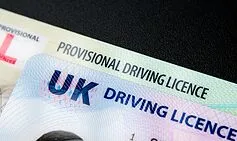
The Driver and Vehicle Standards Agency (DVSA) has announced a significant milestone, revealing a “record-breaking year” for driving tests conducted. This surge in testing activity has directly impacted the availability of driving licences, with the agency successfully processing a historic number of assessments. Officials highlighted that over 2.13 million practical driving tests were administered in the twelve months leading up to August 2026, marking the highest figure ever recorded on a rolling 12-month basis.
Record Driving Test Volume and Easing Backlogs
The period between April and August of the current year alone saw an impressive 906,000 driving tests completed. This represents a substantial increase of 15.5% compared to the same period in the previous year. To further address the ongoing backlog, DVSA leadership confirmed that by September 1, 2026, there were approximately 50,000 more driving test slots available than there were 12 months prior. This strategic expansion of testing capacity is a key factor in managing demand.
Encouragingly, learner driver pass rates have also seen a positive trend, reaching their highest point since the onset of the pandemic. For nine consecutive months, the pass rate has consistently remained above 50%. In August 2026, specifically, 52.1% of learners successfully passed their driving assessments. This sustained improvement in pass rates means that more individuals are successfully obtaining their driving licences.
DVSA Chief Executive’s Perspective
Beverley Warmington, the Chief Executive of the DVSA, expressed satisfaction with the agency’s performance. “We’ve just conducted the highest number of driving tests in DVSA’s history, over 2 million in a single year, and pass rates are at their best since the pandemic,” she stated. “That’s real progress for the hundreds of thousands of learners who’ve been waiting for their chance to get on the road.”
Warmington acknowledged that the work is ongoing. “There’s more to do, and we’re not going to stop until every learner can get a fair test slot when they need one, but today’s figures show our plan is working,” she added, underscoring the agency’s commitment to improving accessibility and reducing wait times.
Regional Waiting Times and Government Support
While the overall trend indicates progress, waiting times for driving tests can still vary significantly by region. According to DVSA data, 40% of learners across Great Britain experienced a wait of less than seven weeks between booking and taking their test. The South West region reported one of the shortest average waiting times, standing at approximately 7.1 weeks.
Conversely, motorists in Scotland have faced longer delays, with average waiting lists currently around 13.6 weeks. This disparity highlights the ongoing challenges in ensuring equitable access to testing services nationwide.
Government Initiatives and Examiner Numbers
The Roads Minister, Justin Madders, attributed the positive developments to concerted efforts by the government and the DVSA. “These new figures are testament to the decisive action the government and the DVSA have taken to turn the corner and drive down test waiting times,” Madders commented. He also noted that the number of driving examiners has reached its highest level in nearly a decade. Furthermore, measures to combat the use of automated booking software, often referred to as ‘bots’, have been implemented to ensure that more genuine applicants can secure test slots.
Recent Changes to Booking Procedures
In addition to increasing test capacity and examiner numbers, the DVSA introduced several changes to the driving test booking system over the summer. These modifications were specifically designed to further alleviate the backlog and streamline the process for learner drivers.
Key updates included:
- Eligibility Confirmation: New rules were implemented to ensure that only individuals who are eligible to drive can book a test, preventing misuse of the system.
- Booking Modification Limits: Learner drivers are now subject to limitations on the number of changes they can make to their test bookings, aiming to reduce last-minute cancellations and rescheduling that can disrupt availability.
- Geographical Restrictions: A geographical limit was placed on changing the location of a driving test. This measure helps to manage demand across different testing centres and prevent individuals from booking tests in areas where they do not intend to take them.
These administrative changes, combined with the increased testing volume and examiner availability, represent a multi-faceted approach by the DVSA to improve the driving test experience for learners across the country. The agency continues to monitor wait times and adapt its strategies to ensure fair access and efficient processing of driving licence applications.
Conclusion: A Step Towards Normalcy
The record-breaking number of driving tests conducted by the DVSA signifies a crucial step in overcoming the post-pandemic testing backlog. With increased capacity, higher pass rates, and targeted booking system improvements, the agency is working towards a future where learner drivers can access their tests more readily. While regional disparities in waiting times persist, the overall trend indicates a positive trajectory, offering renewed hope for the millions of individuals aspiring to obtain their driving licences.
