

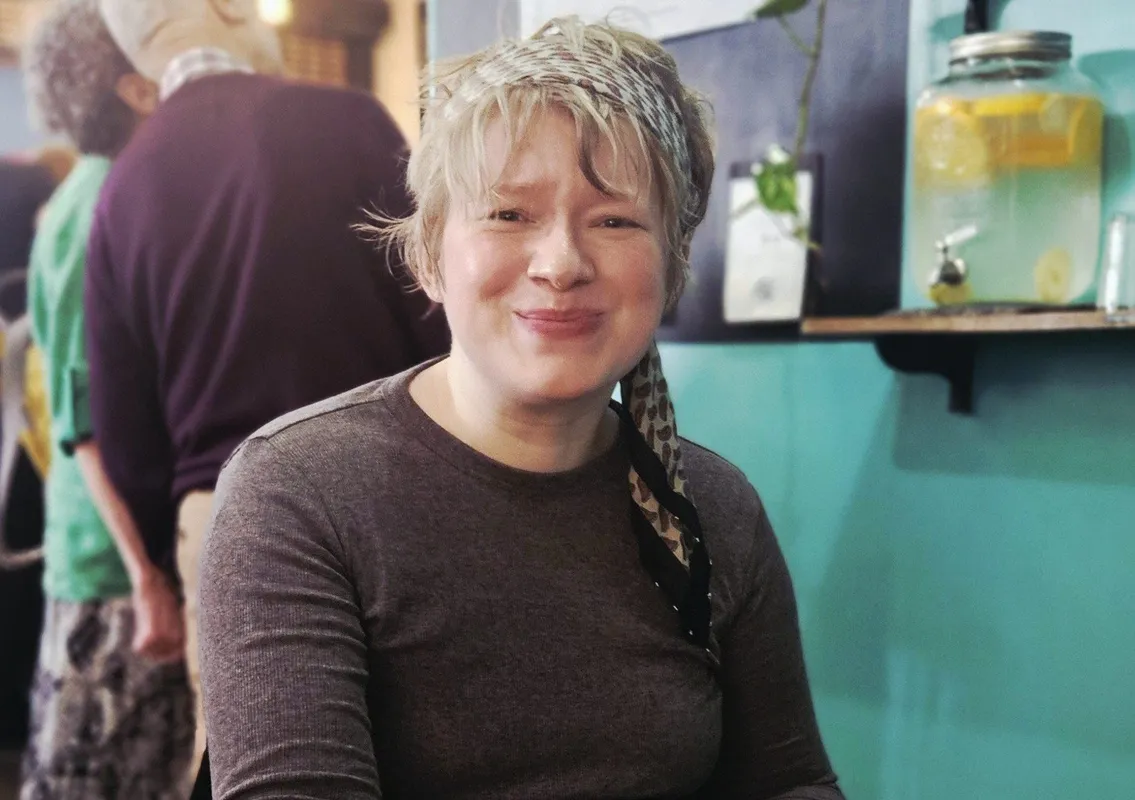
A woman living with cerebral palsy has shared her harrowing experience of deliberately restricting her fluid intake for over two decades, driven by the shame and inconvenience she felt regarding accessible bathroom facilities. The decision to drastically reduce her water consumption began at age 12, stemming from a family holiday incident where she was made to feel like a burden for needing to use the toilet.
The Emotional Toll of Inaccessible Bathrooms
Growing up with cerebral palsy, which requires her to use a wheelchair, the author, Melissa Parker, consistently faced challenges in finding and using accessible restrooms. These difficulties were compounded by a pervasive feeling of being an inconvenience to others. A particularly poignant memory involves a relative’s exasperated reaction to her request to use the bathroom, with the suggestion that she should simply “hold it.” This experience, and others like it, instilled a deep-seated fear of imposing on others.
Parker recounts how, as a child, she would do anything to avoid eliciting such negative reactions. This led to a drastic and harmful coping mechanism: ceasing to drink water. The logic, though misguided, was simple: if she didn’t need to use the toilet, she wouldn’t be a bother. This decision, made at a formative age, marked the beginning of a long period of self-deprivation.
A Life of Dehydration and Worsening Symptoms
The consequences of this extreme fluid restriction were profound and far-reaching. Parker transitioned from drinking approximately two liters of water daily to just a single cup. By the time she was a university student pursuing a law degree, her fluid intake often consisted of little more than a mug of coffee per day. This chronic dehydration led to persistent headaches, constant fatigue, and a general feeling of being unwell, which she wrongly attributed to her cerebral palsy.
The challenges extended to travel and social events. Knowing that accessible toilets might be scarce or out of order, Parker would often forgo all liquids on train journeys. Even significant life events, such as being a bridesmaid at age 30, were marred by the anxiety and difficulty of accessing a suitable restroom, leading to further apologies and feelings of guilt.
Incidents at public venues also highlighted societal shortcomings. At a local bar in her early twenties, staff expressed anger when she needed to use the disabled bathroom, as they were using it for storage. These experiences reinforced her belief that she was an imposition.
Physical and Emotional Deterioration
The physical toll of prolonged dehydration became increasingly severe. Parker experienced intensified muscle spasms and tightness, extreme tiredness, and mentally exhausting fatigue. Her eyes would sting from exhaustion, and she suffered from common dehydration symptoms like dry mouth and skin. She described her quality of life as plummeting, feeling that life was becoming unbearable but believing she had no choice but to endure it.
Even when she disclosed her fluid restriction to medical professionals, it was not acknowledged as a significant problem. Doctors often focused on managing her existing symptoms, reinforcing her belief that she simply had to “manage” her condition, rather than addressing the root cause of her worsening health.
A Turning Point: Rehydration and Recovery
By the age of 32, Parker’s condition had dramatically worsened. She struggled to get out of bed, dress herself, and perform basic tasks, including her work as a freelance journalist. The constant headaches became incapacitating, and nausea made eating difficult. She felt her body was shutting down.
A gradual shift began when she started to reintroduce fluids. Initially, this was difficult due to severe nausea, often resulting in vomiting. However, a chance discovery on Reddit about the role of electrolytes in maintaining fluid balance provided a potential solution. Taking electrolyte tablets dissolved in water helped alleviate her nausea, making it possible to increase her water intake.
The Benefits of Rehydration
The impact of rehydration was transformative. Within weeks of consistently drinking water with electrolytes, Parker noticed significant improvements. The spasticity in her arms decreased, vomiting ceased, and her debilitating headaches lessened. While rehydration did not cure her cerebral palsy, it made the symptoms considerably more manageable. Reduced pain allowed her to sleep better, leading to an overall improvement in her well-being.
Advocating for Basic Rights
Looking back, Parker emphasizes that reducing her water intake for over 20 years was a mistake driven by societal attitudes and a lack of adequate facilities. She highlights that doctors should have informed her about the dangers of dehydration, particularly its potential to exacerbate cerebral palsy symptoms and lead to severe complications like seizures or kidney failure.
Parker now advocates for greater awareness and action, asserting that people with disabilities should not have to alter their basic needs to accommodate societal discomfort or inaccessible infrastructure. She concludes that drinking water and using the toilet are fundamental human rights, and no one should ever feel compelled to deprive themselves of these necessities.
