

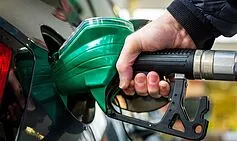
Drivers across the United Kingdom are experiencing significant increases in fuel costs, with substantial regional variations in the price of petrol and diesel. Data indicates that motorists in some areas are paying up to 26 pence per mile more to refuel their vehicles, as pump prices continue to climb. This escalating expense is placing a considerable burden on household budgets, particularly for those who rely heavily on their cars for daily commuting and essential travel.
Regional Fuel Price Divide
Analysis of fuel pricing data reveals a striking geographical divide in the cost of unleaded petrol. Motorists in Maidstone, Kent, are currently facing the highest average prices, with the cost of unleaded petrol reaching 175.2 pence per litre. This figure represents a substantial increase and places Kent among the most expensive regions for fuel in the UK.
In stark contrast, drivers in the Scottish Borders are benefiting from significantly lower prices, paying approximately 149.3 pence per litre. This considerable difference means that drivers in Maidstone could be paying up to 20 pence per litre more than their counterparts in the Scottish Borders. The disparity extends further, with prices in Kent also being a notable 15 pence per litre higher than the average cost of fuel in Watford.
Nationwide Price Hikes and the £100 Fill-Up
The upward trend in fuel prices is not confined to specific regions; it is a nationwide phenomenon. According to recent data, at least 200 petrol stations across the country are now charging 181 pence per litre or more for unleaded petrol. This surge in prices means that filling up a standard family car could now approach the £100 mark, a significant financial hurdle for many households.
Diesel Drivers Also Affected
The financial strain is not limited to petrol users. Diesel drivers are also experiencing a sharp increase in costs, with the average price per litre now exceeding 190 pence. Furthermore, numerous fuel stations nationwide have reported diesel prices surpassing £2 per litre, with some even charging as much as 215 pence per litre. This makes diesel-powered vehicles increasingly expensive to operate.
Tools to Find Cheaper Fuel
In response to these rising costs, drivers can utilize government-provided resources to locate more affordable fuel options. The government’s FuelFinder scheme, which mandates that petrol stations share live pricing information, is accessible through major motoring organizations such as the AA and RAC, as well as the website PetrolPrices. The Competition and Markets Authority (CMA) has confirmed that approximately 97% of fuel stations are participating in this initiative, ensuring a comprehensive dataset.
Motorists can easily find the cheapest fuel prices in their local area by entering their postcode into online tools. These platforms aggregate real-time pricing data, allowing drivers to make informed decisions and potentially save money on their refuelling stops. The simplicity of these tools makes it straightforward for drivers to identify nearby stations offering lower prices.
Future Price Outlook
The outlook for fuel prices remains concerning, with experts predicting further increases. The RAC Fuel Watch service has indicated that both unleaded petrol and diesel costs are likely to continue their upward trajectory. This forecast adds to the anxiety of motorists already grappling with the increased cost of living.
Simon Williams, head of policy at the RAC, commented on the current situation: “Since the beginning of this month, the cost of filling a family car has already risen by almost £5, to £94 for petrol and £106 for diesel. Average pump prices have jumped by yet another penny in just a day. Petrol has now broken through the £1.70-a-litre barrier and stands at 170.54p – its highest since 23 August 2022. Unfortunately for hard-pressed drivers, prices look set to keep on rising.”
This sustained increase in fuel prices, coupled with the significant regional disparities, underscores the growing financial pressure on UK drivers. The combination of global market factors and national pricing trends suggests that relief at the pumps may not be imminent, making fuel efficiency and cost-saving strategies increasingly important for vehicle owners.
