

The cost of Scotland’s universal ‘freebie’ benefits and services, implemented by the Scottish National Party (SNP), has surged past £5 billion per year, according to a new report. While these initiatives aim to provide widespread benefits, the analysis suggests there is no definitive evidence that they are more effective at combating poverty than targeted support measures.
Understanding the Scale of Universal Benefits
A comprehensive report by the Poverty and Inequality Commission, an advisory body established by SNP ministers, has detailed the significant expenditure associated with policies such as free prescriptions, childcare, tuition fees, and bus passes. The total estimated annual cost for these universal provisions now stands at approximately £5.1 billion.
The Commission, set up in 2019 to offer advice and scrutiny on poverty-related issues, examined the financial implications of these widespread services. The report highlights that while the SNP’s approach is framed within a ‘social contract’ where higher earners contribute more in taxes to fund universal benefits, the effectiveness of this model in poverty reduction remains a subject of ongoing evaluation.
Key Expenditure Areas:
- Free Prescriptions: Introduced in 2011, this policy is the most costly, with an estimated annual expenditure of £1.8 billion.
- Free Childcare: Providing 1,140 hours of free childcare annually accounts for an estimated £1.1 billion per year.
- Free Personal Care: This service incurs an annual cost of approximately £1 billion.
- Free Bus Passes: Passes for individuals aged 60 and over, and under 22, cost the government £473 million annually.
- Free University Tuition: The cost for free higher education is £288 million per year.
- Free School Meals: Providing free meals for primary school pupils in years P1-P5 costs £278 million annually.
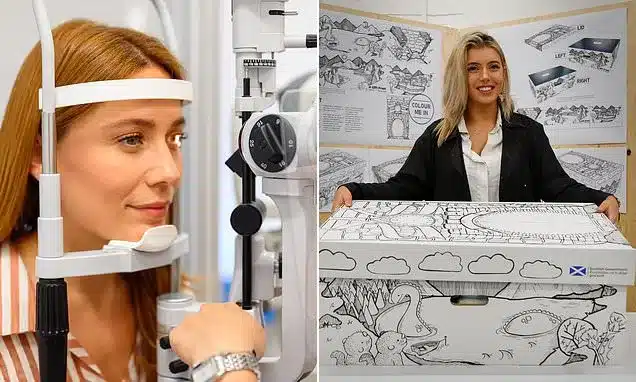
- Free Eye Exams: This service has an annual cost of £145 million.
- Baby Box: The initiative providing a box of essentials for newborns costs £8.8 million annually.
Effectiveness and Equity of Universal Policies
The report, with analysis conducted by the Fraser of Allander Institute at Strathclyde University, explored the distributional impacts of these universal benefits. It found that while free school meals, funded childcare, and free bus travel tend to benefit lower-income households more significantly, free prescriptions and eye tests provide equal benefit across income levels.
Interestingly, the analysis indicated that free prescriptions benefited the largest percentage of households, reaching 67 percent, with an average annual value of £1,000 per household. Free bus passes benefited 62 percent of households, averaging £300. In contrast, funded childcare, despite its high average value of £17,000, benefited only 3 percent of households, and free university tuition, valued at £3,100, benefited 4 percent.
However, the report noted a lack of substantial evidence regarding the specific impact of free prescriptions, eye appointments, tuition fees, and free school meals on poverty reduction. The Institute also raised concerns about the reliability of earnings forecasts used by the Scottish Government to claim that most income taxpayers in Scotland pay less than those in the rest of the UK, stating these forecasts are subject to change and potential error.
A Call for a Balanced Approach
The Poverty and Inequality Commission’s report emphasizes that there is no single, universally effective approach to poverty reduction. It advocates for a nuanced strategy that combines both universal and targeted policies, carefully designed to achieve specific outcomes, support those most in need, and be contextually appropriate.
The Commission stated: “There is no single answer to whether universal or targeted approaches are more effective in reducing poverty. Rather, a combination of universal and targeted approaches is required which are designed for the outcomes that are desired, that effectively support those who require the most support, are appropriate to the policy area, meet the local or national context, and which are generous enough to make a difference.”
It further advised that decisions on policy implementation need to be made on a case-by-case basis, integrated into a coherent overall strategy that acknowledges necessary trade-offs to achieve an optimal mix of policies. The report specifically pointed out that to meet the priority of eradicating child poverty, the Scottish Government must ensure it leverages both universal and targeted measures effectively.
Political Reactions and Government Response
The findings have drawn criticism from political opponents. Scottish Conservative finance and social security spokesman Craig Hoy commented that Scottish taxpayers are bearing the brunt of high taxes to cover what he described as a “£5 billion black hole” in finances, attributing it to the SNP’s spending on universal benefits. He urged the government to ensure its flagship policies deliver value and support those most in need, rather than escalating costs.
A Scottish Government spokesperson welcomed the reports, acknowledging the importance of both universal and targeted approaches in tackling child poverty and confirming that their support is reaching low-income families. The spokesperson highlighted ongoing government actions, including plans for a national breakfast club offer, investments in transport and skills for parents, and an increase in the Scottish Child Payment.
The government estimates that its policies will lift 100,000 children out of relative poverty this year. They also called on the UK Government to match the Scottish Child Payment and remove the benefit cap and freeze to local housing allowance, which they argue are contributing to poverty.
Conclusion: The Path Forward
The £5.1 billion annual expenditure on universal benefits in Scotland presents a complex picture. While these policies aim to provide broad societal benefits and support the SNP’s social contract vision, the latest analysis from the Poverty and Inequality Commission suggests a need for careful consideration of their cost-effectiveness in poverty reduction. The report strongly advocates for a blended approach, combining the reach of universal services with the precision of targeted support, to effectively address poverty and achieve the government’s stated goals, particularly concerning child poverty eradication.
