

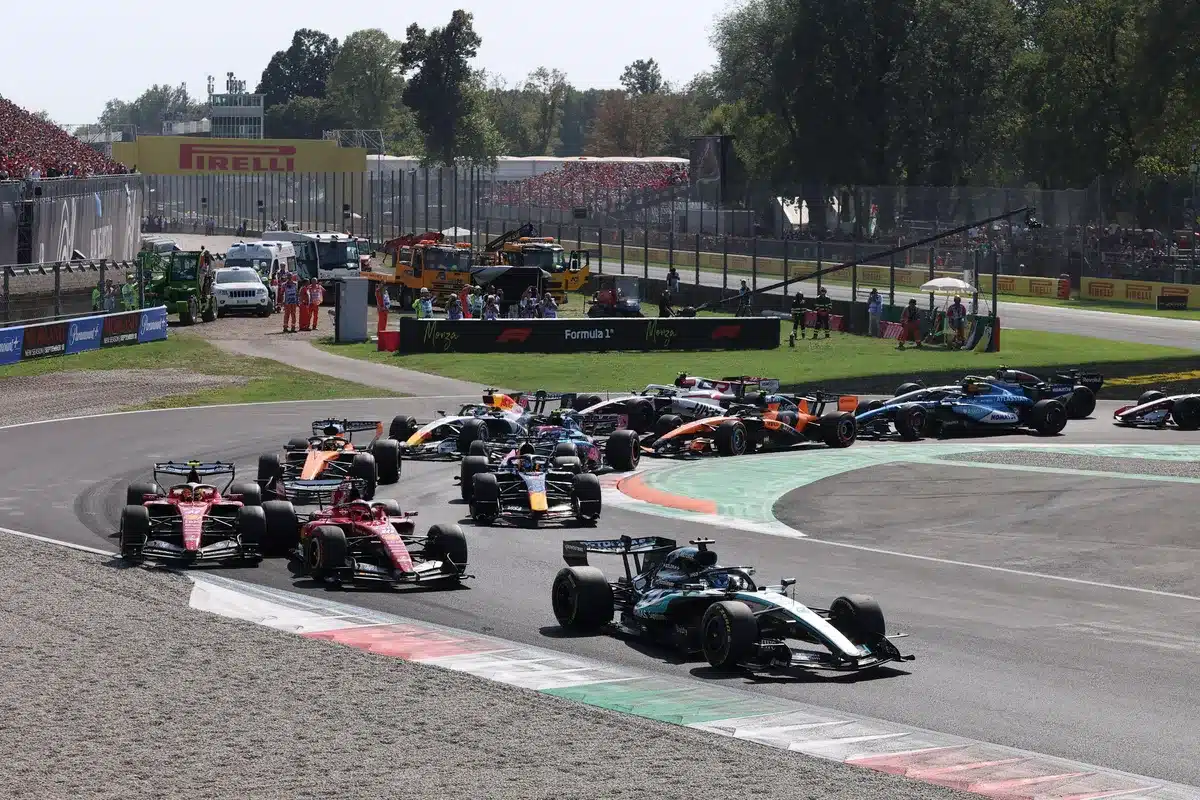
Formula 1 is set to implement a significant change to its Grand Prix race distances starting next season, marking the first reduction in nearly seven decades. The total race distance will be trimmed from 305 kilometers (approximately 189 miles) to 290 kilometers (approximately 180 miles). This adjustment translates to a reduction of two to three laps per race, varying slightly depending on the specific circuit layout.
Reasoning Behind the Race Distance Reduction
The primary driver for this alteration is the upcoming refinement of the Power Unit regulations, specifically concerning fuel flow rates, which are scheduled to be introduced in 2027. FIA officials are taking this proactive step to optimize the existing technical regulations, which were updated at the beginning of the current year. By reducing the overall distance, the governing body aims to align the race length with the anticipated changes in fuel consumption and engine performance.
A statement from the FIA confirmed the decision, noting: “In line with the refinements to the Power Unit regulations to be introduced in 2027 on fuel flow, a reduction in the total race distance from 305km to 290km was approved, corresponding to a reduction of two or three laps.” While this decision requires formal approval from the World Motor Sport Council, it is widely anticipated to be a procedural formality.
Historical Context of F1 Race Lengths
This forthcoming change is historically significant, as the official F1 race length has not been reduced since 1958. In that year, the distance was cut from a considerably longer 500 kilometers (approximately 311 miles). The current adjustment represents a move towards shorter, potentially more intense racing spectacles, reflecting evolving strategic considerations and technological advancements within the sport.
Adjustments to Interrupted Race Protocols
Beyond the reduction in race distance, Formula 1 is also introducing modifications to the protocols governing races that encounter disruptions, such as those caused by adverse weather conditions like rain. A key change involves the removal of the existing three-hour time limit that dictates the maximum duration from the race start to its conclusion. Instead, a new “hard stop” time will be implemented, establishing a definitive end point for all racing activities.
To ensure fans can still experience a substantial amount of racing action even with interruptions, a two-hour limit for actual racing time will be retained. This measure is designed “to ensure that the spectators have the best possible chance to enjoy a full race” should delays occur. Furthermore, the sport will introduce greater flexibility regarding Free Practice sessions. If these sessions are interrupted, there will be increased scope to extend their duration, allowing teams and drivers more track time to prepare.
Implications for Strategy and Spectacle
The reduction in race distance, while seemingly minor in terms of laps, could have subtle but important implications for race strategy. Teams will need to re-evaluate fuel management and tyre degradation strategies over a slightly shorter overall distance. While the core strategic elements remain, the precise optimization points might shift.
For spectators, the shorter races could potentially lead to more concentrated action. With less distance to cover, the intensity of competition might increase, particularly in the closing stages of a Grand Prix. The adjustments to interrupted race protocols also aim to enhance the viewing experience, ensuring that fans are not left with significantly curtailed events due to unforeseen circumstances.
The Evolving Nature of Formula 1
These changes underscore Formula 1’s continuous evolution. The sport constantly seeks to balance tradition with innovation, adapting its regulations and formats to maintain relevance and appeal in a dynamic global landscape. The decision to shorten race distances and modify interruption protocols reflects a considered approach to enhancing the sporting spectacle while addressing technical and regulatory considerations.
As the 2027 Power Unit regulations loom, these adjustments serve as a preparatory step, ensuring that the foundational elements of the Grand Prix weekend are aligned with future technical directives. The governing body’s commitment to optimizing regulations and improving the fan experience remains a central theme in the sport’s ongoing development.
(Note: Standings information from the original source has been omitted as it pertains to a specific season and is not directly relevant to the announced regulatory changes.)
