

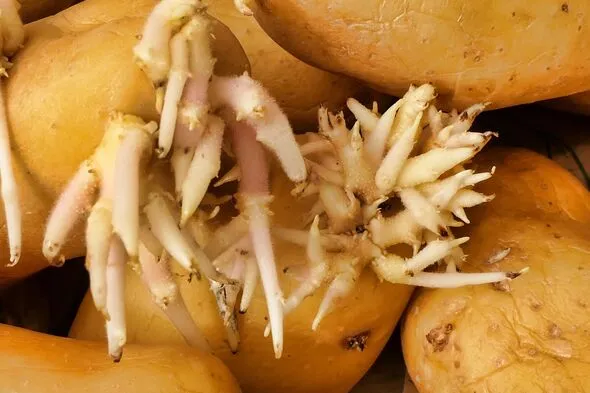
Discovering sprouted potatoes in the pantry raises concerns for many. While heavily sprouted or shriveled tubers appear unappealing, those with minor sprouts prompt questions about edibility and health risks. Mark McShane, a chef and food safety expert at Food Hygiene Certificate, offers clear guidance on this common issue.
Key Toxins in Sprouted Potatoes
Sprouted potatoes develop higher levels of natural toxins called glycoalkaloids, mainly solanine and chaconine. These compounds concentrate in sprouts and green sections, posing risks if ingested in significant quantities.
Mark McShane states: “The main concern with sprouted potatoes is the increased presence of naturally occurring toxins called glycoalkaloids, particularly solanine and chaconine. The sprouts and green parts of the potato contain compounds which become toxic when people consume large amounts.”
Preparation Tips for Safety
Trim small sprouts from firm potatoes lacking green discoloration for safe consumption. Discard any that feel soft, wrinkled, or feature extensive sprouting.
McShane advises: “People can safely use a knife to remove small sprouts from the potato which remains edible as long as its body remains hard and shows no green discoloration. The potato should be thrown away when it reaches the stage of soft, wrinkled, or heavily sprouted condition.”
Green hues beneath the skin signal elevated glycoalkaloid concentrations, serving as a critical warning.
Potential Health Impacts
Large doses of these toxins can cause illness, though the Food Standards Authority notes that glycoalkaloid poisoning occurs rarely.
Best Storage Practices
Prevent sprouting and greening by storing potatoes in a cool, dry location shielded from light. Avoid plastic bags, which trap moisture and promote growth.
McShane recommends: “Light exposure should be avoided because it causes potatoes to develop a green colour and to begin sprouting, which happens when people store potatoes inside plastic bags or in spots that receive direct sunlight.”
