

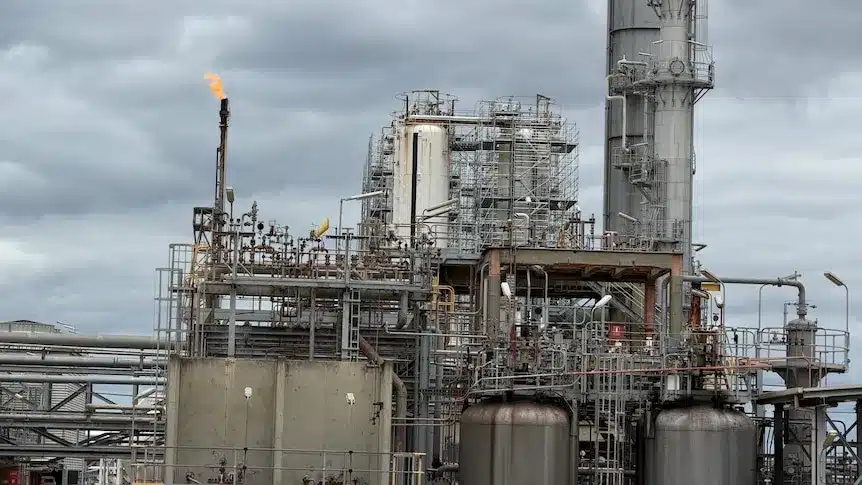
Australia’s transition to heavy reliance on imported petrol and diesel began over a decade ago with the closure of key refineries. In 2013, the Clyde refinery on the Parramatta River shut down, followed by the Kurnell facility on Botany Bay in 2014. These moves shifted the nation from near self-sufficiency in liquid fuels to dependence on overseas supplies.
Lessons from the 1970s Oil Shocks
During the 1970s oil crises, Australia maintained about 70 percent self-sufficiency in oil and fuels, cushioning the impact of stagflation and recession. The recent closures initially appeared viable. Refineries struggled financially against larger Asian competitors in Singapore, Japan, and Korea. A government energy white paper assured that reduced domestic refining capacity posed no threat to liquid fuel security, stating that substituting crude oil imports for refined products carried minimal additional risk.
This optimism aligned with peak globalization, plummeting global oil prices from US$115 to under US$40 per barrel due to the US shale boom, and stable trade flows.
Tensions Flare in the Strait of Hormuz
Early warning signs emerged in 2012 when Iran began enriching uranium to 20 percent purity at an underground facility near Qom. Western nations responded with stringent sanctions, freezing Iran’s central bank assets, severing SWIFT access, banning European oil imports from Iran, and prohibiting insurance for its tankers. Iran threatened to close the Strait of Hormuz, vowing no oil would pass if sanctions persisted, but the strait remained open.
In 2015, Iran entered the Joint Comprehensive Plan of Action (JCPOA) with the US, UK, France, Germany, Russia, and China, capping enrichment at 3.67 percent and halting its nuclear weapons program for a decade. That year, another refinery, Bulwer Island near Brisbane, closed. Subsequent shutdowns left only two operational: Ampol’s in Brisbane and Viva Energy’s in Geelong.
Oil prices hit an 11-year low of US$36.05 per barrel in late 2015 amid a global glut. However, in 2018, President Donald Trump withdrew from the JCPOA, reinstating sanctions and calling it the “worst deal ever negotiated.” Antony Blinken, then US Secretary of State under President Obama, remarked last week: “The Obama administration put Iran’s nuclear program in a box, President Trump let it out.”
Iran subsequently exceeded enrichment limits. In March 2023, the International Atomic Energy Agency detected uranium particles at 83.7 percent purity—close to weapons-grade—at the fortified Fordo plant. Six months later, Hamas, backed by Iran, attacked Israel, killing 1,200 people, prompting Israel’s extensive response in Gaza.
Israel struck Fordo with bunker-busting bombs in June 2025, claiming to obliterate it, but repeated the action on February 28, 2026, targeting additional sites including a school and Tehran buildings. President Trump has issued mixed messages, declaring the US has won, is winning, needs no aid, yet seeks help. Regime change in Iran remains elusive without a full US invasion.
On February 28, the Iranian Revolutionary Guard Corps announced the Strait of Hormuz closed, threatening to “set ablaze” any passing ships. Insurers soon canceled Persian Gulf coverage, slashing traffic to 5 percent of normal. Australia now holds roughly 20 days of diesel supplies.
This Oil Shock Differs from the 1970s
Unlike the 1973 OAPEC embargo—sparked by support for Israel in the Yom Kippur War, which quadrupled prices from US$3 to US$12—or the 1979 hike amid Iran’s revolution pushing prices to US$40, today’s surge stems from commodity traders’ futures markets reacting to supply fears.
Producers distant from Iran benefit. This shock risks rapid price crashes but poses greater peril as an endurance test. Prolonged Gulf closure threatens global economies more than inflation from price spikes, as fuel shortages cripple operations.
