

Cattle prices experienced a notable uptick at the recent Leongatha Prime Cattle Sale, with cows and bulls seeing increased values compared to the previous week. Trade cattle and bullocks, however, maintained their previous price levels. Industry observers noted that the market has demonstrated consistency over the past couple of months, despite external factors influencing export dynamics.
Cattle Market Performance and Expert Insights
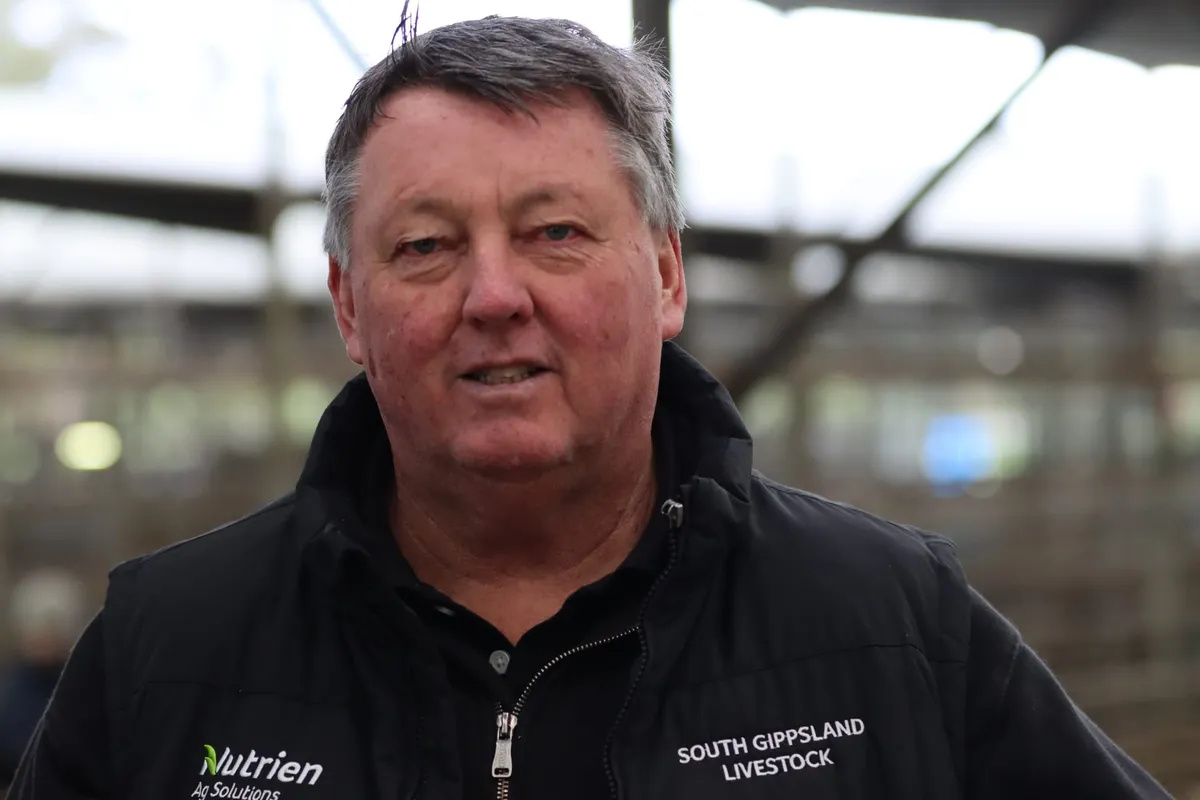
During the trade cattle segment of the sale, prices were described as “fully firm” by Nutrien’s Terry Ginnane. He highlighted the market’s stability over recent months. Addressing the impact of China’s 55 percent tariff on Australian beef, implemented after the export quota was reached, Ginnane indicated that while cow prices had seen a slight easing of 10 to 20 cents per kilogram at the top end in preceding weeks, the decline had not been significant and had not progressed further.
Subsequent observations from Meat and Livestock Australia Market Reporter Brendan Fletcher confirmed a positive trend for cows, with prices improving by 10 to 15 cents per kilogram. This suggests a recovery in the cow market, aligning with Ginnane’s expectation that prices might begin to rebound. Fletcher also reported that trade lots with good finish attracted firm demand, and bullock prices remained steady. Heavy bull prices saw a more substantial increase, lifting by eight cents per kilogram.
Global Market Influences on Australian Beef
While the China tariff presents challenges for Australian beef exporters, Ginnane expressed confidence in the resilience of the global market. He pointed to strong demand from other international markets, particularly the United States, as a key factor supporting Australian beef prices. The American market’s strength is significant, especially as Brazil, a major beef exporter, approaches its own quota for beef exports to China. This situation could potentially reduce competition from Brazil in other markets.
Global AgriTrends’ Simon Quilty has consistently advised against undue concern regarding China’s beef tariffs. Quilty emphasizes the broader context of a worldwide shortage in beef supply, which he believes will ensure that other importing nations will continue to pay robust prices for Australian beef. The current global supply-demand imbalance is seen as a buffer against significant price drops, even with the imposition of tariffs by China.
Producer and Processor Perspectives
At the Leongatha sale, Ginnane also touched upon the importance of maintaining price levels that are sustainable for both producers and processors. He suggested that current prices would likely be satisfactory for producers, while processors, from industry feedback, do not desire significantly higher costs. If prices escalate too steeply, processors may be compelled to reduce their slaughter schedules, impacting overall market activity.
The recent rainfall across much of Australia offers a positive outlook for the future supply of finished cattle. Ginnane anticipates that this will lead to an increased flow of fat cattle heading to market in the spring. However, he cautioned that constrained supply in the interim is likely to sustain current high prices. Processors face a strategic choice: either pay higher prices for cattle or scale back their operations.
Market Summary and Outlook
The Leongatha Prime Cattle Sale demonstrated a strengthening market for cows and bulls, alongside stable prices for trade cattle and bullocks. Industry experts attribute this resilience to consistent domestic demand, strong international markets like the US, and a global undersupply of beef. While export challenges exist, particularly concerning China, the broader market dynamics suggest a continued firm price environment. The anticipation of increased supply in the spring, driven by favorable weather conditions, adds another layer to the market’s evolving landscape, presenting processors with ongoing strategic considerations.
