

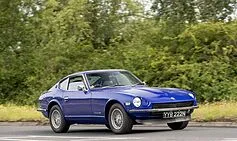
Owners of classic cars are particularly vulnerable to the recent surge in petrol and diesel prices, with experts suggesting that the cost of keeping historic vehicles on the road is escalating at a faster rate than for average motorists. Specialists in classic car insurance, Footman James, have highlighted that the unique fuel requirements and lower efficiency of these beloved vehicles exacerbate the impact of rising pump prices.
The Unique Challenges for Classic Car Fueling
The core of the issue lies in the fuel preferences and consumption patterns of classic cars. Unlike many modern vehicles, a significant number of historic automobiles perform best on specialist, higher-octane fuels. These premium fuels often come with a considerably higher price tag at the pump compared to standard unleaded petrol. Furthermore, many enthusiasts actively seek out ethanol-free petrol, which is generally better for the long-term health and preservation of classic engines but is also typically more expensive and less widely available.
Footman James elaborated on this point, stating, “Classic cars rarely run on the cheapest option available. Many prefer higher-octane fuels, and quite a few owners go out of their way to use ethanol-free petrol where possible. That’s great for the health of the car, less great for the wallet.” This preference means that as fuel prices climb, the financial burden on classic car owners increases disproportionately.
Efficiency and Usage Patterns Compound the Problem
Beyond fuel type, the inherent design of classic cars contributes to their higher running costs. Many historic vehicles are significantly less fuel-efficient than contemporary cars, which often benefit from advanced engine management systems and aerodynamic designs. This lower efficiency means that classic cars consume petrol or diesel at a much quicker rate, leading to more frequent and larger fuel bills. For owners who might have previously enjoyed spontaneous weekend drives, the escalating fuel costs can transform these outings into more carefully considered, potentially less frequent events.
“As these cars are rarely used for the daily commute, every drive feels a bit more… deliberate,” Footman James observed. “That quick Sunday run out for no particular reason? It becomes a ‘shall we make a proper day of it?’ situation.” This shift in perception underscores how rising fuel prices can impact the very enjoyment and usability of classic vehicles.
Current Fuel Prices and Future Concerns
The current fuel landscape paints a stark picture for all drivers, but especially for those with less efficient vehicles. According to RAC Fuel Watch data, the average price for super unleaded petrol stands at approximately 185.73 pence per litre. This is a notable increase, nearly 20 pence more than the average price of standard unleaded, which is recorded at 167.22 pence per litre. The situation is not static, with the RAC issuing warnings that the prices for super unleaded fuels are expected to continue their upward trajectory.
Potential for Further Increases
Adding to the concerns, there is a possibility of even higher fuel prices on the horizon due to potential changes in fuel duty. The default legal position is for fuel duty rates to increase from January. However, this matter could be subject to review and potential adjustments in the upcoming budget, which would be the first for Chancellor John Healey in October. Any increase in fuel duty would inevitably translate to higher prices at the pump, further straining the budgets of classic car owners and the general public alike.
Navigating the Rising Costs
For classic car enthusiasts, the current climate presents a significant challenge. The combination of a preference for premium, often ethanol-free fuels, lower miles per gallon, and the general upward trend in petrol and diesel prices creates a perfect storm. While the passion for preserving and driving these automotive icons remains strong, the economic realities are forcing many to re-evaluate their usage patterns and budget for these cherished machines.
Some owners may consider more fuel-efficient driving techniques, ensuring their vehicles are meticulously maintained for optimal performance, or even reducing the frequency of their journeys. The long-term outlook will likely depend on global oil prices, government fiscal policies regarding fuel duty, and the continued availability of specialist fuels. For now, the warning from experts is clear: the cost of enjoying a classic car is becoming a more significant financial consideration than ever before.
Conclusion
The escalating cost of petrol and diesel presents a considerable hurdle for classic car owners. Their vehicles’ specific fuel needs and inherent inefficiencies mean they are disproportionately affected by price hikes. As pump prices continue to climb and potential duty increases loom, enthusiasts face the difficult task of balancing their passion with the increasing financial demands of maintaining and operating their historic vehicles.
