

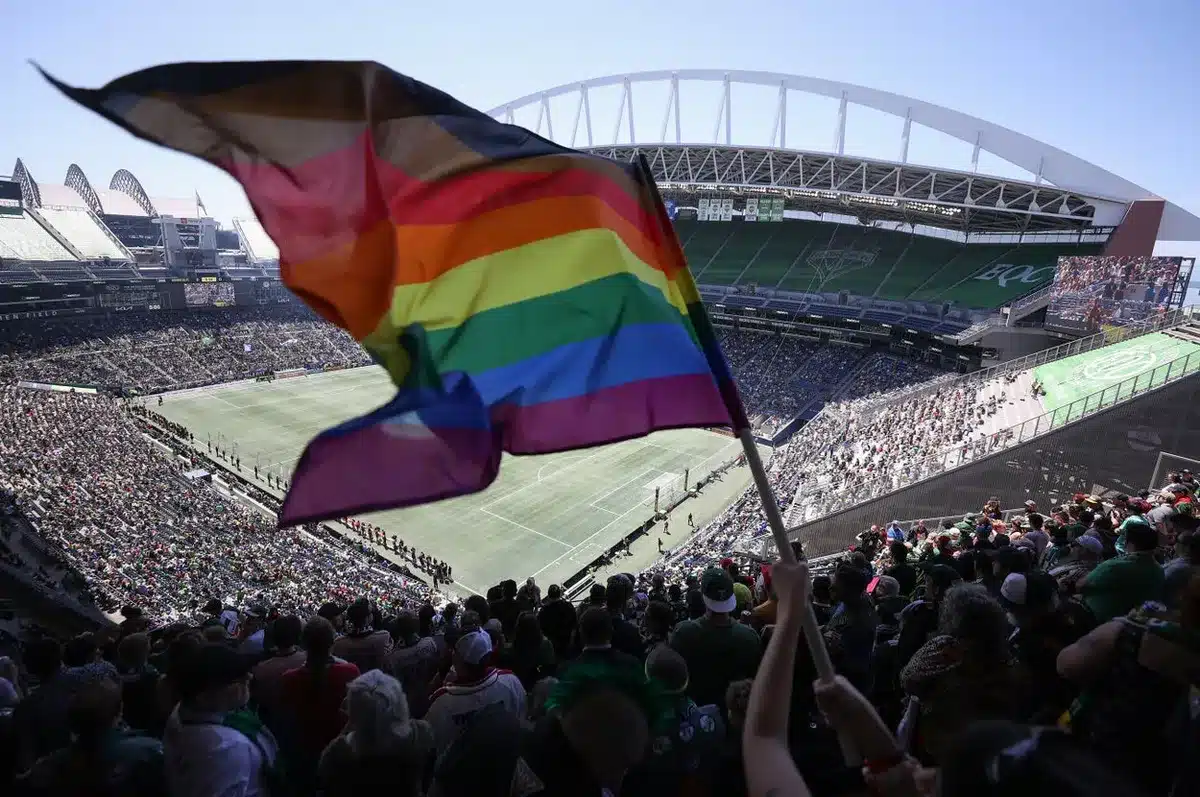
FIFA has confirmed that rainbow flags will be permitted at the upcoming Group G World Cup fixture between Egypt and Iran, scheduled for Saturday, June 27, in Seattle. This decision comes after initial objections were reportedly raised by both national football federations concerning Pride-related activities planned around the match.
Pride Match Designation Sparks Controversy
The game had previously been designated a “Pride Match” by Seattle PrideFest, a local non-profit organization that has been hosting Pride celebrations in the city since 2007. This designation was established prior to FIFA finalizing the World Cup draw. Reports indicate that both Iran and Egypt voiced concerns to FIFA, requesting the cancellation of any LGBTQ+ themed events associated with the fixture.
Legal Context and FIFA’s Stance
For context, both Iran and Egypt have laws that criminalize same-sex relations. In Iran, such offenses can carry the death penalty. In Egypt, same-sex conduct is punishable by up to three years in prison and fines.
FIFA released a statement on Thursday affirming that rainbow flags will be allowed inside Seattle Stadium. The organization described the World Cup as “an inclusive event that welcomes people from all backgrounds.”
“General statements of human rights, including rainbow flags and other flags representing sexual orientation and gender identity, are permitted under the FIFA World Cup 2026 Stadium Code of Conduct and may be displayed inside stadiums,” the statement read.
Symbol of Inclusivity
Patti Hearn, executive director of Seattle Pride, emphasized the symbolic importance of the rainbow flag. She stated that the rainbow flag is widely recognized as a symbol of human rights, visibility, and inclusivity.
“The rainbow flag or any of the Pride flags are just a symbol of inclusivity, of community, of love — and that really isn’t offensive,” Hearn told reporters. “There are queer people everywhere. If we can provide the opportunity for the world stage to see and experience what it feels like to be in a welcoming and inclusive place … I think that’s great.”
