

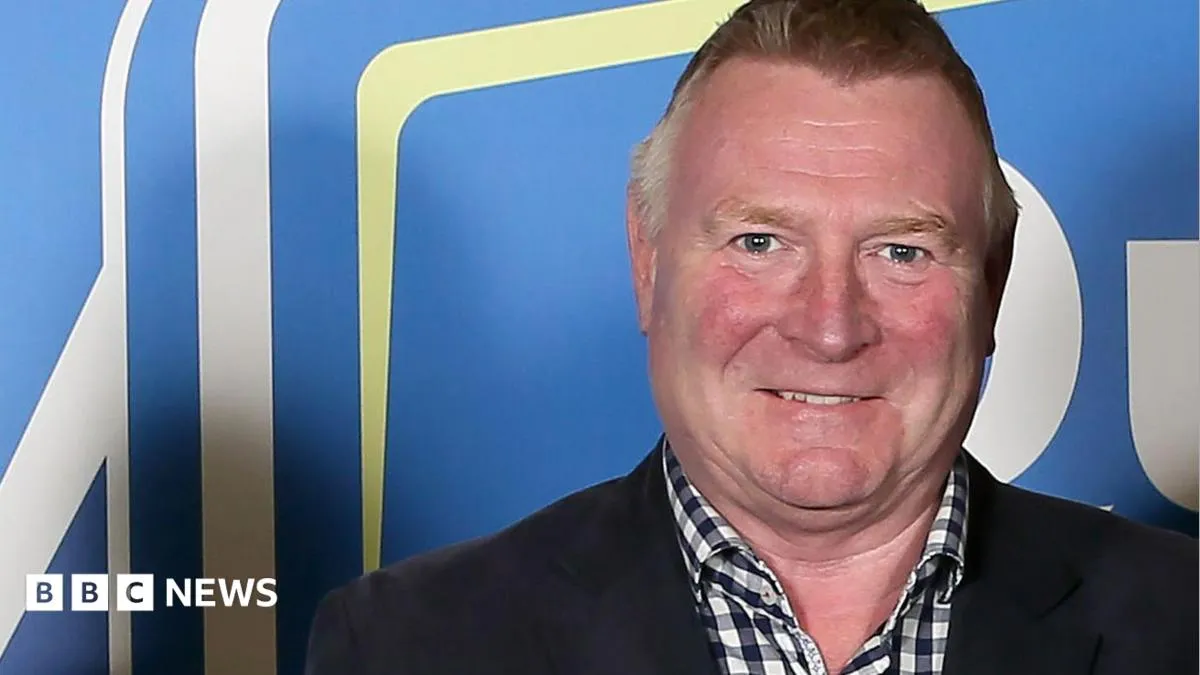
Tributes are being paid following the death of veteran sports journalist Jim Gracey, who passed away at the age of 68. Gracey was a prominent figure in sports reporting for over four decades, leaving a significant mark on the industry, particularly in Northern Ireland.
A Four-Decade Career in Sports Journalism
Jim Gracey dedicated more than 40 years of his professional life to The Belfast Telegraph, a career that began in 1979. Prior to joining the newspaper, he honed his skills at the Lurgan Mail. His tenure at The Belfast Telegraph saw him rise through the ranks, eventually taking on the role of sports editor for both the daily paper and its sister publication, Sunday Life. He retired from his editorial duties in 2021, concluding a long and distinguished career.
Covering the World of Sport
Gracey’s passion for sports reporting extended across various disciplines and levels. He covered football extensively, following both domestic leagues in Northern Ireland and international competitions. His commitment to capturing the global game led him to attend an impressive six FIFA World Cups throughout his career. Beyond his work as a journalist, Gracey also contributed to the sporting community as a director for the Mary Peters Trust. This sports charity, named after Northern Ireland’s Olympic gold medal-winning pentathlete Lady Mary Peters, supports aspiring athletes.
Remembered as a “Giant” and “Larger Than Life” Figure
Colleagues and peers have widely remembered Jim Gracey for his significant contributions and distinctive personality. Steven Beacom, Chief Sports Writer for The Belfast Telegraph and Sunday Life, described Gracey as a “larger than life character and a giant of sports journalism.” Beacom highlighted Gracey’s ability to “break huge stories, write the sharpest opinion pieces, interview stars with authority and empathy,” earning him respect across the entire sporting landscape in Northern Ireland and beyond.
Beacom also fondly recalled the camaraderie and enjoyment of their shared experiences. “He was great company,” Beacom stated, remembering “his big heart, generosity and all the fun that we had when we covered World Cup and European Championship tournaments together.”
Mentorship and Editorial Acumen
Beyond his journalistic achievements, Gracey was recognized for his role in nurturing emerging talent. He was known for providing opportunities and guidance to young, aspiring reporters, helping to shape the next generation of sports journalists. Paul Ferguson, Head of Sport for Belfast Telegraph and Sunday Life, praised Gracey’s multifaceted talents, calling him a “wonderful writer, headline composer and fiercely protective of his staff.”
Ferguson elaborated on Gracey’s journalistic approach, noting his “wonderful turn of phrase” and his dedication to holding power accountable, particularly within sporting organizations like the Irish FA. “He made it his mission throughout his career to hold power to account, especially the ‘suits’ at the Irish FA,” Ferguson commented. He further described Gracey as a “master of uncovering emotive and fascinating details from his interviewee,” a skill that undoubtedly enriched his reporting.
Passions and Legacy
Ferguson also touched upon Gracey’s personal passions, stating, “He was a proud son of Lurgan.” His deep interests included football, with affiliations to local club Glenavon, as well as Manchester United and the Northern Ireland national team, and motorcycling. Despite these personal enthusiasms, Ferguson emphasized Gracey’s professional commitment: “he always made sure Northern Ireland success stories were celebrated in the paper.”
Ultimately, Ferguson concluded that while Gracey was instrumental in chronicling numerous sporting triumphs, it was his “human touch” that truly set him apart. This blend of professional rigor, personal warmth, and dedication to storytelling defined Jim Gracey’s enduring legacy in sports journalism.
