

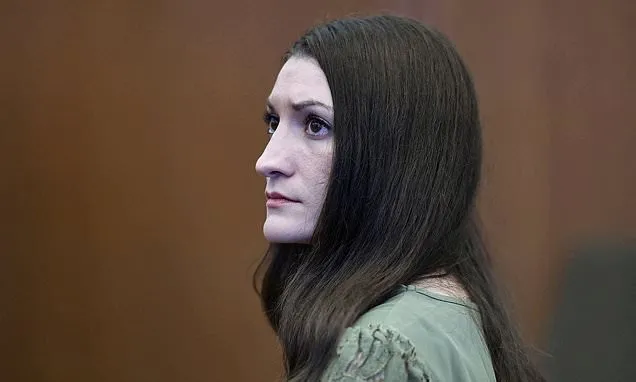
The sole dissenting juror whose decision led to a mistrial in the highly publicized Lindsay Clancy murder case did not allow his religious beliefs to influence his vote, according to his brother. The juror, who has remained publicly unidentified, reportedly stood firm in his assessment of the evidence, ultimately preventing a unanimous verdict in the case involving the mother accused of killing her three young children.
Juror’s Brother Speaks Out Amidst Family Distress
The family of the holdout juror has experienced significant upheaval since the trial concluded with an 11-1 deadlock on September 4. The juror’s brother shared that their lives have been profoundly impacted, with the family facing harassment and intense public scrutiny. He stated that they are devoutly Catholic and originally from Haiti, and the attention has made it difficult for them to leave their home, with constant phone calls and notes being left at their mother’s residence.
“My family cannot leave the house,” the brother told the New York Post. “People have been calling me like crazy. It’s crazy. They are leaving notes at my mother’s house. They won’t leave us alone and we don’t know anything.”
He emphasized that his brother’s decision was based solely on his interpretation of the evidence presented during the trial. “He looked at the case, and he made the call. For me, that’s how I would do it. I would just listen to the case with all the evidence, and go from there,” the brother explained, defending his sibling’s adherence to his own judgment.
The brother acknowledged the divisive nature of the mistrial, noting that the outcome has been perceived differently by various individuals. “It was good for some people, but not good for other people,” he conceded.
The Lindsay Clancy Case: Background and Legal Proceedings
Lindsay Clancy was charged with the murders of her three children: five-year-old Cora, three-year-old Dawson, and eight-month-old Callan. The tragic events occurred in January 2023. Clancy admitted to strangling the children to death using exercise bands. However, her defense team argued that she was not criminally responsible due to severe postpartum psychosis, contending that she was overmedicated by doctors at the time of the incident.
The jury deliberated for nearly a full week before reaching the 11-1 deadlock, which resulted in a mistrial. Prosecutors have not yet announced whether they intend to retry Clancy.
Questions Surrounding Juror’s Background
Following the mistrial, reports emerged regarding the holdout juror’s past legal entanglements. It was revealed that he had faced charges of domestic violence in 2021, though these charges were ultimately dropped, and he was never prosecuted. Further allegations surfaced concerning an incident in 2025, where he was reportedly accused of assaulting his nephew. Restraining order documents reportedly detailed claims of him shoving his nephew to the ground and striking him in the face. Like the earlier charges, he was not prosecuted for this incident either.
These reports have raised questions about how the juror was selected for the case, as potential jurors are typically required to disclose any past arrests or criminal charges. The juror reportedly divorced his wife after the 2021 incident.
Community Perceptions of the Juror
Despite the controversy surrounding his past, individuals close to the holdout juror have described him as a dedicated family man and a regular churchgoer. The owner of a local garage, who knows the juror, told the New York Post that he is a “really nice guy.” He shared an anecdote about the juror’s generosity, recounting an instance where he paid for a woman’s gas when she was unable to afford it.
The garage owner also mentioned that the juror recently remarried. His new wife, he noted, had recently commented on the intense media attention, stating that they intended to “lay low for a while” due to the “crazy” nature of the coverage.
The Impact of the Mistrial and Future Prospects
The mistrial in the Lindsay Clancy case has ignited a national conversation about mental health, maternal responsibility, and the complexities of the legal system, particularly concerning defenses involving postpartum psychosis. The inability of the jury to reach a unanimous decision underscores the profound challenges in assessing culpability when mental health is a central factor.
The family’s experience highlights the intense emotional toll that high-profile legal proceedings can exact on those involved, even peripherally. The brother’s statements aim to clarify that his sibling’s decision was a matter of individual conscience and evidence assessment, rather than religious doctrine.
As prosecutors consider their next steps, the legal and public discourse surrounding the case continues. The focus remains on how the justice system will proceed in seeking accountability while acknowledging the intricate circumstances presented by Clancy’s defense.
