

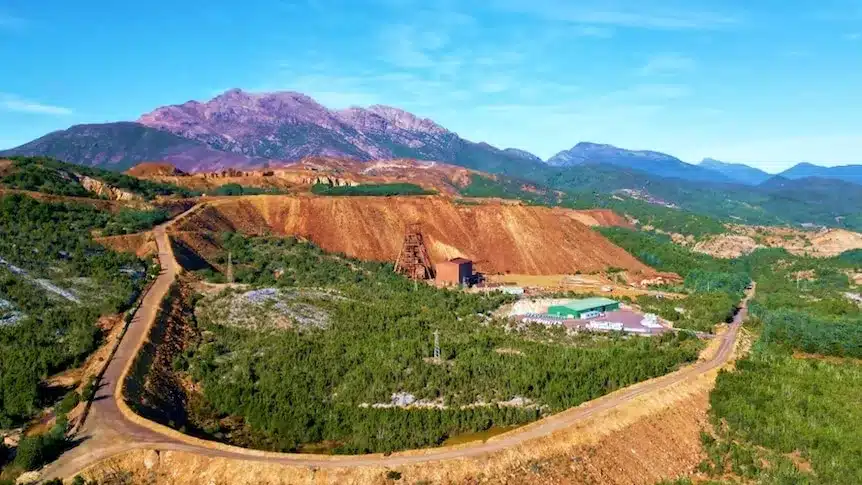
The historic Mt Lyell copper mine, a significant landmark on Tasmania’s rugged west coast, is poised for a revival. A South African-based company, Sibanye-Stillwater, has received board approval to recommence operations at the mine near Queenstown, a move expected to generate over 300 jobs and inject new life into the regional economy. The mine, which has been a cornerstone of the area for more than a century, ceased operations and entered a care and maintenance phase in 2014. This closure followed a period marked by tragedy, including the deaths of three workers within a six-week span, and significant damage to underground infrastructure from a rockfall.
A New Chapter for a Historic Site
Sibanye-Stillwater acquired the mine, previously operated by Copper Mines of Tasmania, in 2023. The company’s decision to restart operations signifies a major investment and a commitment to the region’s mining heritage. The announcement has been met with considerable optimism by local stakeholders. West Coast Council Mayor Shane Pitt described the news as “fantastic” for the community, emphasizing a desire for a strong and enduring partnership with the new operators. He stated, “The west coast backs those who back us, and I look forward to a long and rewarding partnership with Sibanye Stillwater.”
Political representatives have also highlighted the broad economic benefits anticipated from the mine’s reopening. A spokesperson for the Tasmanian Labor party noted that beyond the direct creation of 300 jobs, the restart would stimulate economic activity through increased demand for local contractors, accommodation providers, hospitality businesses, and retailers. “Mt Lyell is part of the fabric of Queenstown, and its restart will provide a major boost for the broader west coast economy, with benefits felt across the state,” the spokesperson added.
Project Timeline and Investment
According to a company report released recently, the initial phase of work at the Mt Lyell project is slated to begin in early next year. This preparatory work will pave the way for production to commence in early 2029. The ambitious restart plan requires a substantial capital investment, estimated at approximately $490 million. Once operational, the mine is projected to yield significant annual output, including an estimated 26,000 metric tonnes of copper, 16,000 troy ounces of gold, and 116,000 troy ounces of silver.
Sibanye-Stillwater projects that the mine has a viable operational lifespan of an additional 23 years. The company has outlined a strategy that emphasizes modern operational practices and environmental stewardship. Key aspects of this strategy include:
- Renewable Energy: The mine will be powered by hydropower, aligning with sustainability goals.
- Environmental Footprint: Operations will be confined to the mine’s existing and previously disturbed areas.
- Technological Advancement: Increased automation will be integrated into mining processes.
- Closure Planning: Clearly defined responsibilities for future environmental closure and rehabilitation are in place.
Addressing Environmental Legacies
The environmental impact of mining activities at Mt Lyell, particularly under previous ownership, has been a long-standing concern. A 2021 report from the Federal Department of Climate Change, Energy, the Environment and Water indicated that the nearby lower King and Queen rivers continue to suffer from the effects of historical mining practices. These waterways are described as “essentially lifeless” due to high acidity and metal concentrations. Furthermore, the surrounding landscape bears the scars of past operations, with vegetation loss attributed partly to toxic smelting fumes.
Sibanye-Stillwater has acknowledged these challenges and committed to responsible management. The company’s website states, “Sibanye-Stillwater will be responsible for meeting environmental, rehabilitation, and closure obligations that arise from both the restart and future operations, in accordance with applicable regulations.” The company is actively exploring various environmental initiatives, including:
- Mine-water treatment and potential reuse.
- Progressive rehabilitation of disturbed land.
- Engineered containment of potentially acid-forming materials within existing mining voids.
Economic Outlook and Community Impact
The reopening of the Mt Lyell mine represents a critical turning point for Tasmania’s west coast, an area that has faced economic uncertainty following the mine’s previous closure. The influx of jobs and the associated economic stimulus are expected to revitalize Queenstown and surrounding communities. Local businesses are anticipating a significant boost, and the broader Tasmanian economy stands to benefit from the renewed mining activity.
The commitment to utilizing renewable energy and minimizing the operational footprint signals a modern approach to resource extraction. While the environmental challenges inherited from the past are substantial, the company’s stated focus on rehabilitation and compliance with regulations offers a pathway toward more sustainable operations. The success of this venture will not only depend on the economic viability of copper and gold extraction but also on the effective management of its environmental responsibilities, ensuring a positive legacy for future generations.
