

Prime Minister Anthony Albanese’s commitment to safeguarding creative copyright in the face of advancing artificial intelligence has been met with strong approval from musicians across Western Australia. The pledge aims to ensure artists retain control over their work as AI technologies increasingly impact creative industries.
Concerns Over AI’s Use of Musical Works
Musicians have voiced significant concerns about AI’s capacity to “steal” their songs, which are then incorporated into the training data for large language models. This process can lead to the proliferation of AI-generated music and lyrics that mimic or are derived from original human creations. The fear is that this unauthorized use devalues artists’ work and undermines their ability to earn a living.
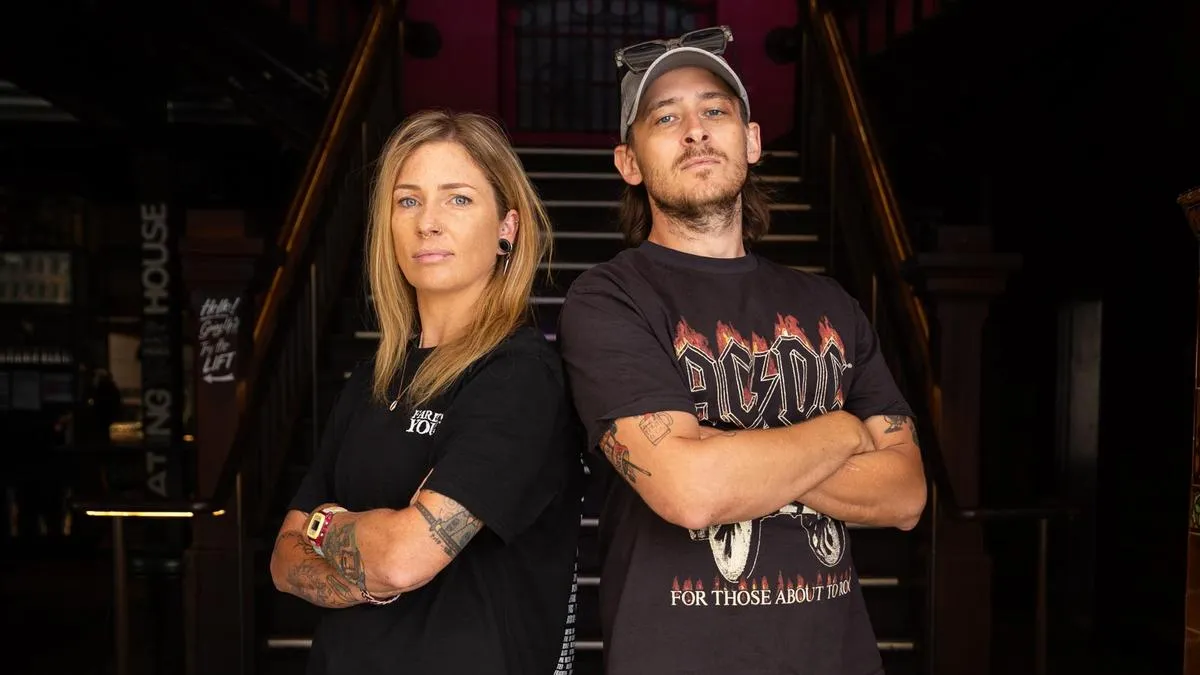
Geraldton-based punk band Ratsalad, comprising Ken and Jaz McCartney, believe that approximately 20 of their songs have been appropriated by AI. Ken McCartney expressed that the Prime Minister’s acknowledgment of this issue as “theft” provides a much-needed sense of validation and confidence that the government is prepared to address the problem seriously. “To take our music and use it to train models for overseas tech giants is exploiting Australian artists and the work I’ve done for decades,” he stated.
Jaz McCartney emphasized the need for AI models to remove any stolen content and for artists to receive compensation for the unauthorized use of their work. She also noted that while AI cannot replicate the experience of live performance, which remains a crucial avenue for musicians, the current situation demands urgent attention. “So as long as people are supporting bands by going to their shows, I think we’ll still have a thriving scene of musicians,” she added, highlighting the importance of live music patronage.
Legislative Action and Artist Control
Perth singer-songwriter Carla Geneve found reassurance in the government’s intention to introduce legislation establishing national standards for AI data centers early next year. “It’s great that they’re actually doing something about it,” Geneve commented before a performance. She described how AI tools like ChatGPT and Gemini can easily replicate her lyrical style by processing her existing work. “I can type into ChatGPT or Gemini or whatever you use. Write a Carla Geneve song, and it takes all my lyrics and puts them in a blender and gives it back to me,” she explained.
Geneve highlighted that musicians have historically been underrepresented in legislative efforts to protect their intellectual property and income streams. She considers the non-consensual use of artists’ work by AI companies deeply concerning, particularly the potential for audiences to be unaware they are consuming AI-generated music. “My concern is that people aren’t gonna know when they’re listening to AI music, which they kind of already don’t,” she noted.
While Prime Minister Albanese aims to give creatives control over the pricing of deals with AI companies, Geneve expressed reservations about signing any such agreements. She fears that granting AI companies rights to her voice and work could lead to an uncontrollable proliferation of AI-generated songs in her style, potentially overshadowing her own creative output. “If I had the choice, probably not, because if they own the rights to my voice and they own the rights to everything that I’ve done, then what’s to say that they can’t make 1000 songs by me, and like the songs that I make will just completely be drowned out. So it’d be essentially like making a copy of me that I can’t control,” she elaborated.
Industry Support and Future Implications
Cal Kramer, frontman for The Southern River Band, conveyed his strong appreciation for the government’s proactive approach to the issue. He expressed significant concern regarding the unregulated use of AI in the music industry, stating he had “every concern” about its potential impact. “Hopefully the lawmakers continue to acknowledge that it is theft and evolve the laws as the technology evolves,” Kramer urged.
Owen Whittle, head of West Australian Music (WAM), echoed these sentiments, observing that technology is increasingly eroding the music industry and diminishing the perceived value of musicians’ work. He raised critical questions about the government’s strategy for addressing AI’s past infringements, specifically whether tech companies would be compelled to remove AI-generated content trained on stolen works or if compensation would be provided. “What happens to work which has already been stolen? Will tech oligarchs be forced to remove it or will there be penalties and compensation?” Whittle questioned.
Annabelle Herd, CEO of the Australian Recording Industry Association (ARIA), affirmed the Prime Minister’s commitment to Australian creators. “The Prime Minister could not have been clearer: Australian writers and musicians keep ownership and control of their work. Artists control what that work is worth, not the Government and not a technology company,” Herd stated. She emphasized that the ability for artists to dictate the price, value, and terms of use of their work is fundamental to a functioning commercial licensing market, mirroring global practices. “In the Prime Minister’s words: anything less is theft,” she concluded, sending a clear message to AI companies that licensing agreements are now expected.
Conclusion: A Step Towards Artist Protection
The Prime Minister’s pledge represents a significant step towards addressing the complex challenges posed by AI in the creative sector. By signaling a commitment to copyright protection and artist control, the government aims to foster a more equitable environment where creators can benefit from their work without fear of exploitation by emerging technologies. The proposed legislative actions and the clear stance on ownership and value are seen as crucial for the future sustainability of Australia’s vibrant music industry.
