

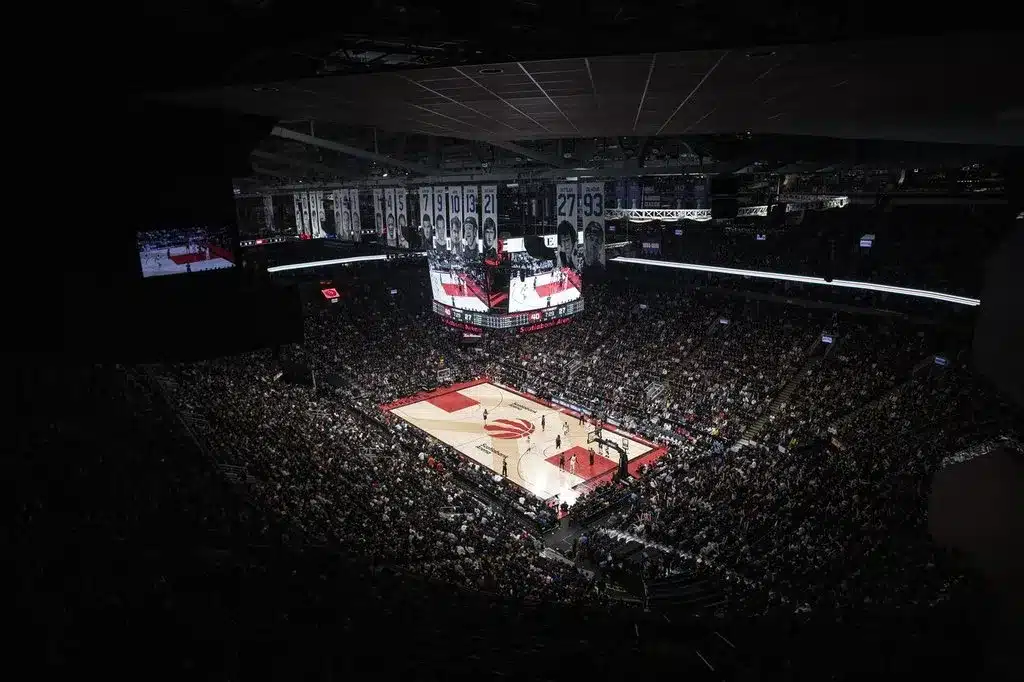
Toronto season ticket holder Ryan Van Horne, who has held Raptors seats for 12 years, now contemplates canceling his subscription. New Ontario legislation, effective last month, limits resale ticket prices to face value plus taxes and service fees. This change hinders fans like Van Horne from recouping costs on games they miss.
Van Horne shares two aisle seats in the eighth row of Scotiabank Arena’s 300 level with a friend, costing nearly $5,000 annually split between them. “I’ve told my friend I don’t know if I’ll continue with it,” Van Horne said. “Not that this was a for-profit thing, but the break-even makes absolutely no sense to me now.”
Challenges for Fans and Teams
The law disrupts long-standing practices where season holders sold unused tickets at market rates. Many fans resell only to manage demanding schedules and rising costs, not for profit. “Whether it’s the time or money, or both, they can’t afford to go to all these games,” said Paul Beirne, a sports business consultant and former executive at Maple Leaf Sports and Entertainment.
Baseball’s 160-plus game seasons, for instance, make full attendance unrealistic for most. Some holders bought seats years ago when prices were lower and now rely on resales above face value to sustain their packages, even if occasionally selling below to offset fees.
Government Stance and Adjustments
The cap forces fans to sell at face value or risk unregulated sales on social media or outside venues. A spokesperson for Ontario Minister of Public and Business Service Delivery Stephen Crawford, Giulia Paikin, stated via email that the policy makes events “easier and more affordable for families to attend concerts, cultural events and sporting events.” She noted the rules apply equally to all resale platforms. A public consultation on the legislation runs until May 10.
Toronto Tempo women’s basketball season ticket holder Sho Kalache faced immediate impacts. She listed seats for missed games, but the platform removed them days before the team’s inaugural match to comply with the law. “I wasn’t trying to make money. I just wanted to break even on the ones that I can’t go to,” Kalache said. Now, she gives tickets away via her wife’s real estate business, though it proves time-consuming and unreliable for reaching true fans. “It’s a little frustrating because the ease of off-loading tickets is gone,” she added.
League Responses and Expert Views
Leagues and platforms adapt to balance compliance with fan needs. Owners of the Raptors, Maple Leafs, and Toronto FC, along with the Toronto Blue Jays, confirm they collaborate with the government and plan updates soon.
Beirne describes the law as “a blunt force” that “penalize[s] normal behaviour.” He explains teams price games variably based on demand, and uniform caps reduce season ticket flexibility, potentially harming teams and fans alike.
Van Horne, who renewed Raptors seats and bought Tempo tickets before the law’s announcement, calculates his per-game cost at about $100. He and his friend select preferred games, then offer extras to contacts for cost recovery. Living outside Toronto with family duties, attending all proves impossible. “Unless people have a really good network… they might be asking themselves, is all this extra burden now worth it?” he said.
