

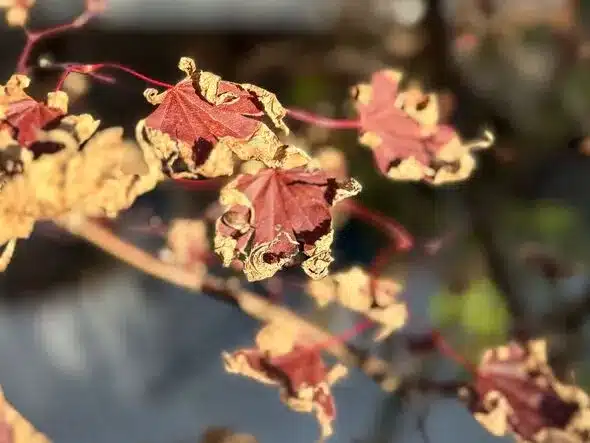
Guard Your Japanese Maples Against Summer Scorching
Japanese maples, prized for their vibrant red foliage, can unfortunately suffer from leaf scorch when exposed to harsh environmental conditions. This common issue causes their beautiful leaves to shrivel, crisp, and eventually drop, detracting from their aesthetic appeal and potentially impacting the plant’s health. In severe instances, leaf scorch can lead to premature leaf fall and even damage smaller branches, with recovery only possible the following year.
Gardening enthusiasts can take proactive steps to prevent this summer problem. Analysis of common issues affecting these trees points to three primary factors that gardeners should address to ensure their Japanese maples remain healthy and vibrant throughout the warmer months.
Understanding the Causes of Leaf Scorch
One of the most frequently overlooked causes of leaf scorch is wind exposure. Many gardeners opt for shady or partially shaded locations for their Japanese maples, but fail to consider the impact of wind. Even in shaded spots, direct wind can dry out the leaves rapidly, leading to damage. This is particularly relevant in coastal areas where winds are more prevalent.
To mitigate wind damage, it is recommended to position your Japanese maple in a location that offers some shelter. Placing the plant near a fence, a wall, or larger, more robust plants can provide a crucial buffer against strong gusts. Adequate hydration also plays a role; ensuring the plant is well-watered can help it withstand periods of wind exposure by maintaining sufficient moisture levels.
Furthermore, gardeners should remain vigilant during late winter and early spring. The cold winds and potential frost during these transitional seasons can also contribute to leaf scorch, even before the intense heat of summer arrives.
Sunlight Exposure and Soil Hydration
Excessive sunlight is another significant contributor to leaf scorch. When Japanese maples are subjected to prolonged periods of intense heat and direct sun, their characteristic red leaves can begin to crisp and curl. This damage often results in the leaves detaching from the plant, leaving it looking sparse.
The ideal placement for a Japanese maple is in a location that receives ample shade, particularly during the hottest parts of the day. Partial shade is generally preferred, as it significantly reduces the risk of the leaves becoming scorched. If a tree is already situated in a shady area but still exhibits signs of damage, it is essential to assess the soil’s hydration and overall quality.
Maintaining Optimal Soil Conditions
Japanese maples thrive in soil that retains moisture but is also well-drained; excessively dry soil is detrimental. Consistent watering is key to ensuring the plant has the necessary hydration to withstand environmental stresses. Watering generously in the early morning or late evening can be most effective.
To further assist in maintaining soil moisture and keeping the plant cool, gardeners can employ a few strategies. Covering the soil surface with a light layer of white stones can help reflect sunlight, thereby keeping the soil and plant cooler. This also helps to reduce water evaporation. Alternatively, using mulch or bark chips around the base of the tree can create a protective barrier, conserving moisture and regulating soil temperature.
By implementing these three key practices – managing wind exposure, optimizing sunlight conditions, and ensuring proper soil hydration – gardeners can effectively protect their Japanese maples from the damaging effects of summer scorching, allowing them to flourish.
