

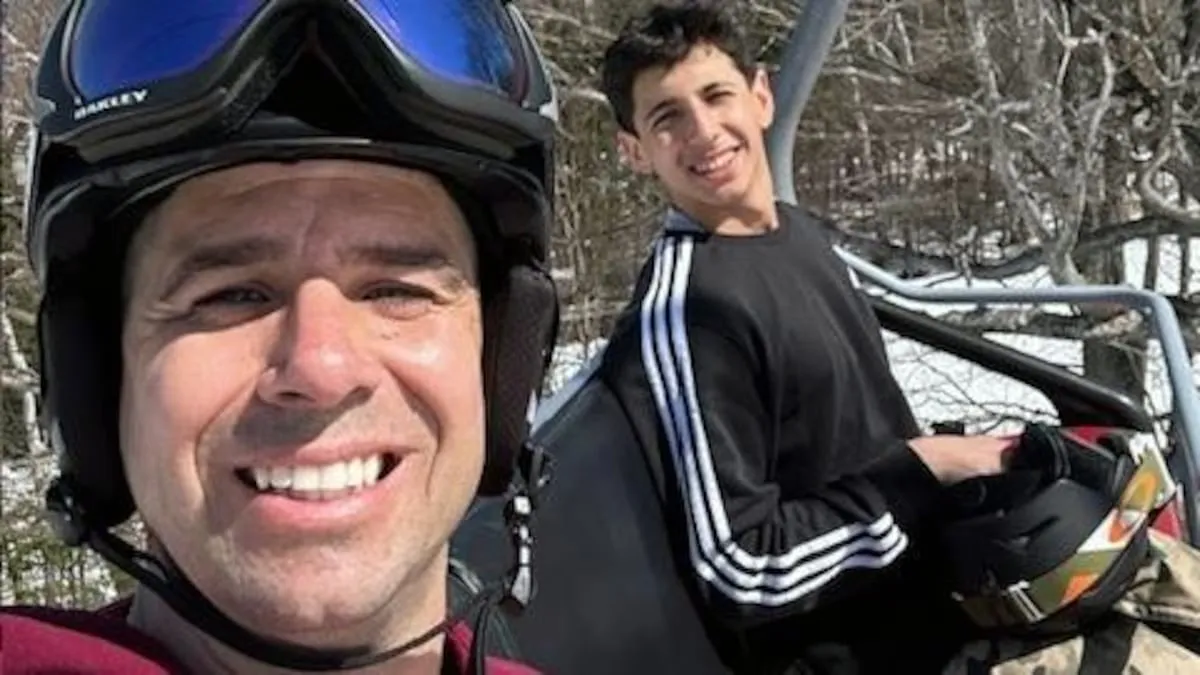
The sudden death of 15-year-old Zachary Miron in January 2024 has ignited a strong campaign by his family, schools, unions, and educational groups to prohibit energy drink sales and distribution to Quebec youth under 16.
Tragic Cause and Widespread Support
An investigation found that Miron’s death stemmed from combining Red Bull with medication for his attention deficit hyperactivity disorder (ADHD). Now, 21 school organizations—including public and private school administrations, parent committees, and unions—back the family’s push for restrictions.
The Fédération des établissements d’enseignement privés (FEEP) endorses a petition led by Québec Solidaire MNA Guillaume Cliche-Rivard, which has collected over 19,500 signatures. Cliche-Rivard expressed “great hope” from the support, emphasizing the “urgency to act.”
Schools Respond to the Crisis
Jasun Taparauskas, director of Externat Sacré-Cœur in Rosemère, Quebec, noted the profound impact on the community. He highlighted the “unprecedented mobilization” as a sign of a “major concern shared by all stakeholders in the education network.” Taparauskas added, “This initiative stems from a real need on the ground and a responsibility that we feel deeply.”
Collège Charles-Lemoyne in Longueuil is one of three Quebec schools that have halted energy drink sales to students and banned them on premises since Miron’s death. Principal David Bowles shared his shock upon learning the fatal risks of mixing ADHD medications with caffeinated drinks. “I didn’t know, I really didn’t know. My kids didn’t know, the students in general don’t know,” he said.
Health Risks and Growing Concerns
More than 20 percent of youth use psychostimulants, often alongside energy drinks, according to Francis Côte, president of the Fédération québécoise des directions d’écoles (FQDE), Quebec’s largest school principals’ association. The FQDE supports stricter regulations. Côte warned, “We can no longer turn a blind eye. If we do not tighten the rules quickly, we are collectively accepting the risk of losing more lives.”
Energy drink sales in Canada climbed from $851 million to $1.1 billion between 2018 and 2022, per Euromonitor data. Pediatrician Dr. Olivier Drouin from CHU Sainte-Justine in Montreal urges open discussions with teens about risks like jitteriness, heart palpitations, dehydration, elevated heart rate, and sleep issues. He explained, “Ritalin and company act similarly to caffeine, and so the problem is that you compound the effects,” potentially leading to arrhythmia.
Global Precedents and Local Demands
Several countries have acted: Poland bans sales to under-18s since 2024, while England plans to restrict high-caffeine energy drinks for those under 16.
Éric Gingras, president of the Centrale des syndicats du Québec (CSQ), which represents school staff, calls for “concrete actions” to safeguard youth. Mélanie Laviolette, president of the Fédération des comités de parents du Québec (FCPQ), pointed to the normalization of these products and lack of awareness about harms.
Family’s Plea for Swift Change
Miron’s parents went public to ensure their son’s death drives reform. David Miron, Zachary’s father, feels “very encouraged” by the support and “grateful” for the alliances. “If this initiative can prevent even one other tragedy, then it must go much further than us,” he said.
The family met Health Minister Sonia Bélanger on April 1, finding her receptive. Yet David Miron presses for urgency: “Summer is coming, with young people going to the corner store to buy refreshments. Things need to move. We want rapid action. The current mobilization demonstrates the credibility of the issue and the importance of hurrying to regulate these energy drinks.”
