

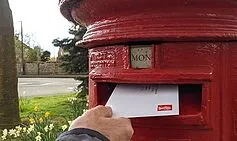
Royal Mail, the United Kingdom’s primary postal service, handles an immense volume of mail, delivering approximately 6.7 billion letters annually. To ensure these letters and parcels reach their destinations without delay or loss, the company offers specific guidance for individuals preparing their mail. Adhering to these recommendations can significantly improve the chances of successful delivery, especially given the reliance on automated sorting systems.
Key Guidelines for Addressing Envelopes
A crucial aspect of preparing mail for transit involves the clarity and legibility of the address. Royal Mail emphasizes that whether handwriting or printing an address, the text must be “clear and easy to read.” This principle is paramount for the efficient processing of mail through the postal network.
Handwriting vs. Printing
For those who prefer handwriting their addresses, Royal Mail advises using a pen or ink that provides a strong contrast against the envelope’s color. While a pencil might seem like a viable option, it is generally not recommended. Although Royal Mail will still attempt to deliver mail addressed with a pencil, the likelihood of it completing its journey successfully is reduced. This is primarily due to how automated sorting machines interact with pencil marks.
The Challenge of Pencil Addresses
Royal Mail employs sophisticated automated sorting machines that scan and read addresses. Pencils, unlike ink, reflect light differently. This variation can lead to misreading or complete failure of the scanners to register the text. When the automated system cannot read an address, the item is diverted to a manual sorting process, inevitably causing delays. Furthermore, pencil markings are prone to smudging during the handling and transit process. As envelopes jostle against each other in sorting bins and mailbags, smudged addresses can become entirely unreadable, further jeopardizing delivery.
Ink Choice and Contrast
To optimize the chances of a smooth delivery, Royal Mail suggests using black or blue ink, particularly on white or light-colored envelopes and labels. The principle of high contrast between the ink and the paper is vital for the automated sorting systems to function effectively. For envelopes in darker colors, such as those often used for birthday cards or special occasions, lighter ink colors are recommended. If possible, white ink on a dark background offers the best visibility for scanning equipment.
Avoiding Ink Smudging and Water Damage
Beyond legibility for machines, the durability of the ink is also a consideration. Royal Mail cautions against the use of gel pens or fountain pens. The ink from these types of pens is more susceptible to running if the envelope becomes wet, which can obscure the address and lead to delivery issues. Choosing a robust ink that can withstand minor moisture exposure is therefore advisable.
Preparing Parcels for Posting
While the focus is often on letters, similar principles apply to addressing parcels. Ensuring the address is clearly written or printed, using a pen with good contrast, and avoiding smudging are essential steps. Securely attaching labels to parcels also helps prevent them from becoming detached during transit, which could lead to the parcel being delayed or lost.
The Importance of Complete Addresses
A complete address is fundamental. This includes not only the recipient’s street address, town, and postcode but also the sender’s return address. Including a return address is crucial in cases where delivery to the intended recipient is not possible. It allows Royal Mail to return the item to the sender, preventing it from becoming undeliverable mail.
Checking for Obstructions
Before posting, it is also wise to check that the address is not obscured by tape, labels, or other markings. Any obstruction can interfere with the scanning process of automated sorting machines. Ensuring a clear path for the address is a simple yet effective way to aid efficient processing.
Conclusion: Simple Steps for Reliable Mail Delivery
By following Royal Mail’s straightforward guidelines, individuals can significantly enhance the reliability of their mail deliveries. The emphasis on clear, high-contrast addressing, the use of appropriate writing instruments, and ensuring the address remains legible throughout transit are key to navigating the postal system successfully. These practices not only help prevent delays and lost mail but also support the efficient operation of Royal Mail’s automated sorting infrastructure, benefiting all users of the service.
