

Emergency rooms in rural Manitoba are experiencing increased strain as patients from Winnipeg, frustrated by long city wait times, seek care in smaller communities. However, these rural facilities often lack the staffing to manage the influx, leading to prolonged waits for local residents and exacerbating existing pressures. A nurse at the Selkirk Regional Health Centre described instances where patients have waited up to 18 hours for treatment during peak times, a situation attributed in part to an increase in visitors from Winnipeg.
Strain on Rural Emergency Departments
The Selkirk nurse, who requested anonymity, noted a rise in Winnipeg patients traveling approximately 25 kilometers north to the Selkirk ER, anticipating shorter wait times compared to the city’s three main emergency departments. “They’re all trying to access health care, right? And everybody deserves health care. And I feel bad, because people have to come out here thinking that the wait times are less,” the nurse stated. “I can’t blame people for wanting to seek care, and they’re desperate to see someone.”
Long waits for family doctors and extended estimated wait times in Winnipeg facilities are pushing patients to travel further for immediate medical attention. The Selkirk ER often operates with only a single doctor on duty. Despite efforts by hospital administrators to mitigate the issue, such as increasing nursing staff, hiring physician assistants, and diverting less critical cases to nearby clinics, the problem persists. “Even with all that in place, it’s still getting bad,” the nurse added. “Then we can’t get to the patients in a timely fashion and deal with their issues and take care of them properly, which could result in (a critical) incident.”
Provincial Promises and Current Realities
The current provincial government, elected in 2023, has pledged to address hospital wait times by focusing on recruitment and retention of healthcare professionals, touting the hiring of thousands of health-care workers and expanding hospital bed capacity. However, the reality on the ground in some rural facilities suggests these measures have not yet alleviated the pressure. On a recent Thursday afternoon, wait times in Winnipeg emergency departments ranged from 7.75 to 13.75 hours. The Interlake-Eastern health authority, which oversees the Selkirk facility, does not publicly display its emergency room wait times.
Broader Concerns and Union Perspectives
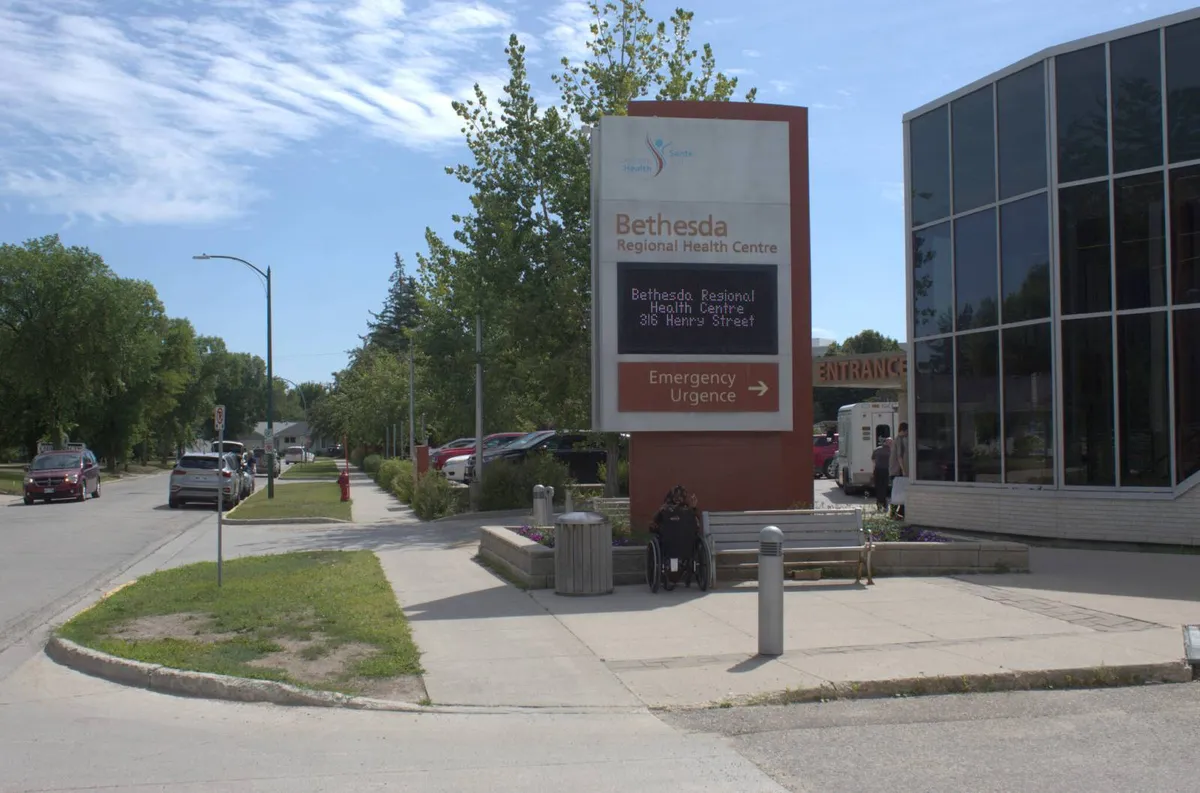
The challenges extend beyond Selkirk. Nurses at the Bethesda Regional Health Centre in Steinbach have also reported an influx of patients from outside the local area. In an open letter to health authorities and provincial leaders, 40 nurses at the Steinbach facility called for a second triage nurse to be assigned to the emergency department. They highlighted that patients commonly wait over an hour to see a triage nurse and up to eight hours for reassessment, with one nurse sometimes responsible for up to 30 patients.
Darlene Jackson, president of the Manitoba Nurses Union, confirmed that facilities in communities like Selkirk and Stonewall are feeling the strain as urban residents seek healthcare elsewhere. “Wait times in Winnipeg are really driving people out to these other facilities in hopes to have wait times that are less lengthy. So what we’re seeing is that a lot of these facilities are getting busier and busier,” Jackson stated.
Systemic Issues and Health Authority Responses
Jason Linklater, president of the Manitoba Association of Health Care Professionals, criticized the current approach to healthcare management, suggesting that problems are addressed in isolation rather than through an integrated system. “Many of those hospitals were short-staffed to begin with, including a shortage of laboratory and imaging technologists that are essential for emergency care. They simply aren’t staffed to handle an influx of patients from Winnipeg,” Linklater explained. He noted that these issues then spill over into other areas, impacting rural emergency departments that were already understaffed.
Doctors Manitoba, the provincial physicians’ advocacy organization, expressed no surprise at Winnipeg patients seeking care in rural communities. However, they cautioned that rural ERs can also experience significant delays, often due to gaps in physician coverage or patients waiting for inpatient beds. The organization has voiced concerns for years about long wait times, attributing them to these systemic issues.
Conversely, regional health authorities have stated they have not observed a significant problem. A spokesperson for the Interlake-Eastern authority indicated that there has been no increase in Winnipeg residents seeking emergency care in their facilities, noting that inter-community travel for emergency services has been common for many years. They emphasized that ensuring timely and appropriate care for all patients is a provincial priority.
Data from the Southern Health region shows that in 2024, approximately 5.5 percent of ER patients at the Steinbach hospital were from Winnipeg, a figure that has reportedly decreased to 3.3 percent so far this year.
Conclusion
The situation highlights a complex challenge within Manitoba’s healthcare system, where perceived or actual disparities in emergency care wait times between urban and rural facilities are creating a ripple effect. While patients are seeking timely care, and rural facilities are striving to meet demand, the underlying issues of staffing shortages and system integration appear to be the critical factors contributing to prolonged waits across the province.
