

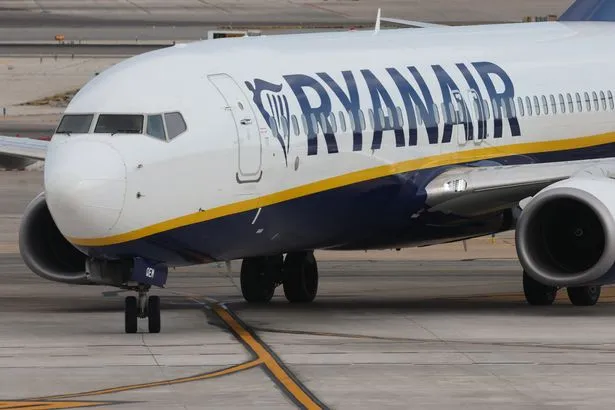
A routine flight from London Stansted to Tirana, Albania, transformed into a harrowing 12-hour ordeal for passengers, marked by a near 9-hour delay, multiple diversions due to severe weather, and significant passenger unrest. The flight, RK8288, experienced a cascade of issues, including a mid-air confrontation and a double diversion that left travelers frustrated and exhausted.
The Onset of Travel Troubles
The journey began with an expectation of a standard three-hour flight. However, the situation quickly deteriorated as the aircraft, en route to Tirana, encountered a powerful thunderstorm. This severe weather forced the pilot to make an unscheduled diversion to Brindisi, Italy. Passengers, many of whom were reportedly returning from festivals or on stag trips and had consumed duty-free alcohol, became increasingly agitated during the extended stopover on the tarmac in Italy.
One passenger, speaking anonymously, described the initial announcement of the diversion as a surprise. “About ten minutes before landing, the pilot said: ‘By the way, we couldn’t land in Albania, we’re now in Brindisi in Italy.’ We were like: ‘Oh, that’s not where we wanted to go.'” The aircraft remained on the ground in Brindisi for approximately two to three hours, exacerbating the growing frustration among those on board.
Disruptions to Onboard Services
During the prolonged stop in Italy, onboard services reportedly ceased, leading to further passenger discontent. According to the anonymous traveler, refreshments were not served, and even purchasing items became impossible for a period. “People were understandably thirsty and hungry,” the passenger noted. When sales eventually resumed, the limited available stock, including Ribena and crisps, was quickly depleted.
The situation onboard became more challenging as the flight eventually departed Brindisi, only to face another severe thunderstorm. This necessitated a second diversion, this time to Thessaloniki, Greece. By this point, the cumulative delays and lack of amenities had significantly heightened tensions among the passengers.
Escalating Passenger Frustration
The diversion to Greece marked a critical point, with passenger anger boiling over. Accounts suggest that some individuals began shouting at the flight deck, directing strong criticism at the pilot. A group of passengers demanded to be deplaned immediately, asserting their right not to be held on the aircraft against their will. This intense situation led to the involvement of Greek police, who were called onto the plane to mediate.
Following discussions with the authorities, the crew reportedly agreed to allow a number of passengers to disembark in Thessaloniki. This decision came after a period of significant unrest and vocal opposition from a segment of the travelers.
Incidents of Unruly Behavior
The prolonged delay and the atmosphere onboard contributed to several incidents of disruptive behavior. One passenger was described as being heavily intoxicated and moved through the aisles, disregarding safety instructions. An air hostess intervened physically to guide the individual back to their seat, an action described by a witness as “mental.” In another peculiar event shortly before a takeoff attempt, a passenger was reported to have vomited on themselves before heading to the restroom, drawing reactions from other passengers.
Arrival and Aftermath
Upon finally reaching Tirana at approximately 5 a.m. local time, nine hours past the original schedule, the pilot’s announcement of arrival was met with relief from the weary passengers. The journey had been arduous, testing the patience and endurance of everyone on board.
The difficulties extended beyond the flight itself, with reports of passengers facing immediate rejection when attempting to claim compensation. The anonymous passenger shared their experience: “It was an automatic rejection as soon as I put my flight number in. I got an automated email being like: ‘Your claim’s been rejected.'” This case has since been escalated to AviationADR.
Airline’s Response
Ryanair defended its handling of the situation, attributing the dual diversions to unavoidable severe weather conditions. A spokesperson for the airline stated that the flight was initially diverted to Brindisi due to adverse weather at Tirana Airport and subsequently to Thessaloniki because of a thunderstorm.
The airline also clarified that onboard bars were opened approximately 45 minutes after the diversion to allow passengers access to snacks and refreshments. Passengers were reportedly kept informed through various communication channels, including email, SMS, and push notifications. The flight ultimately departed for Tirana at 4:44 a.m. local time after weather conditions improved.
Conclusion
The Ryanair flight from London to Tirana serves as a stark example of how severe weather, coupled with operational challenges and passenger management, can lead to extreme travel disruptions. The incident highlights the complexities of managing flights during adverse conditions and the significant impact on passenger experience, from onboard services to post-flight compensation claims.
