

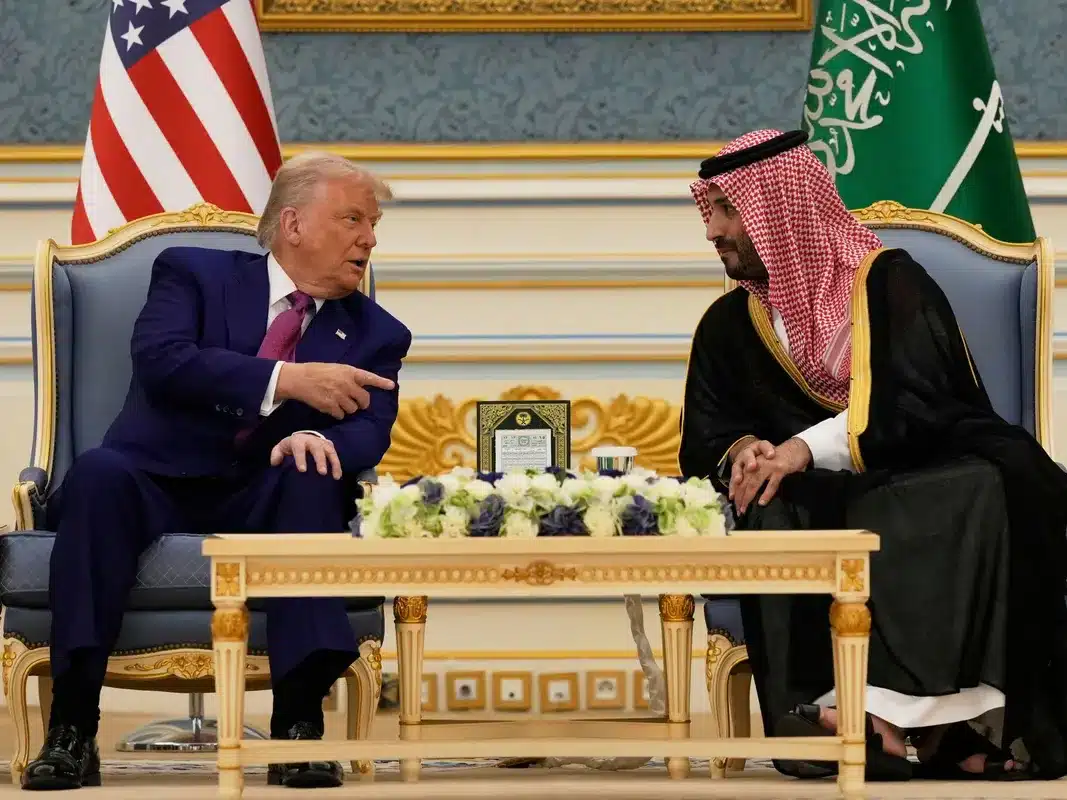
A proposed 30-year nuclear cooperation agreement between the United States and Saudi Arabia has ignited significant debate, raising alarms about potential nuclear proliferation and regional security implications. The deal, which would facilitate the transfer of nuclear technology from Washington to Riyadh, is currently under review by the US Congress. While US officials assert the agreement is strictly for civilian nuclear energy purposes, critics and analysts express apprehension that it could inadvertently fuel a nuclear arms race in the Middle East and pose security risks to newly established nuclear facilities.
Potential for Nuclear Arms Race
A primary concern surrounding the US-Saudi nuclear deal is its potential to trigger a regional arms race. Reports suggest the agreement could allow Saudi Arabia to enrich its own uranium, a critical step in the process of developing nuclear weapons. While the US Energy Department has not confirmed specific details regarding enrichment capabilities within the deal, analysts worry this could embolden other regional powers to pursue their own nuclear programs.
Saudi Arabia has historically stated its intention to develop nuclear energy for power generation. However, in 2018, Crown Prince Mohammed bin Salman indicated that the kingdom would pursue nuclear weapons if Iran did. This statement has fueled concerns that the civilian nuclear program could serve as a pathway to military applications.
US Secretary of State Marco Rubio has pushed back against proliferation fears, emphasizing that US contractors, such as nuclear reactor designer Westinghouse, would manage the projects. This oversight, he stated, would allow Washington to monitor the activities and prevent diversion of nuclear materials for weapons purposes. Despite these assurances, former Israeli Defense Minister Avigdor Liberman publicly opposed the deal, warning that it would inevitably lead to Saudi Arabia developing nuclear weapons and instigate a “mad arms race” across the Middle East. Israel, which possesses a clandestine nuclear arsenal, has long advocated for preventing other regional nations from acquiring nuclear capabilities.
Security Risks for Nuclear Facilities
Beyond proliferation concerns, the proposed deal also brings attention to the security of nuclear facilities in an already volatile region. The
