

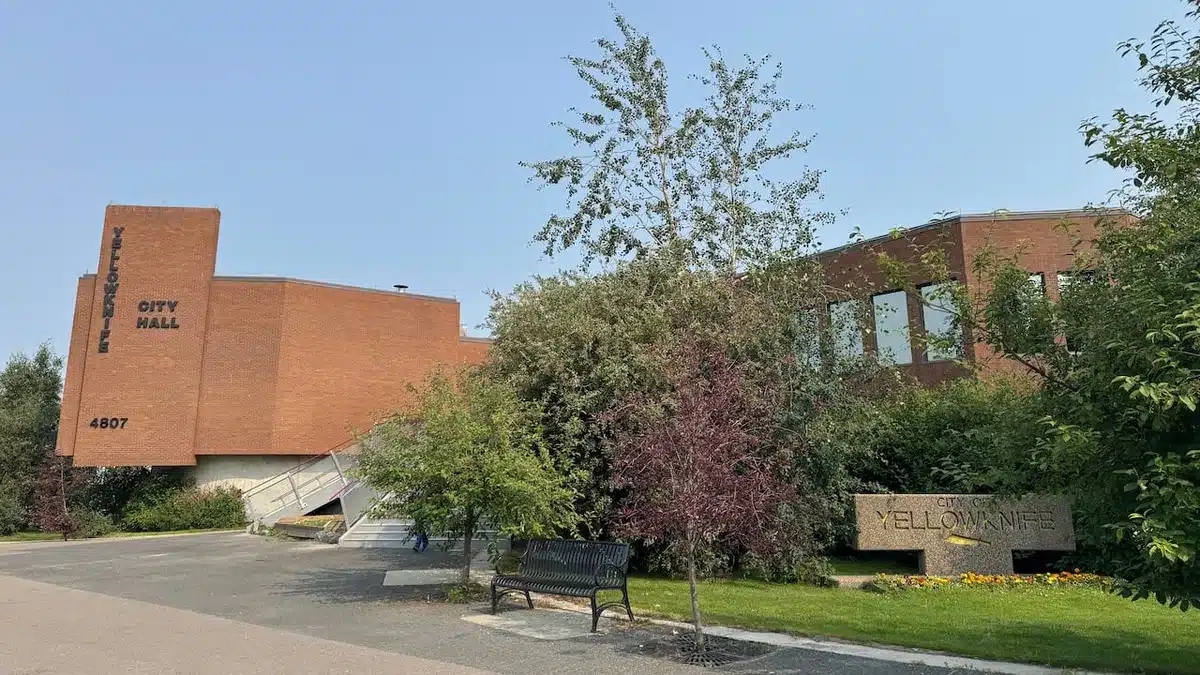
The City of Yellowknife is contemplating the establishment of a dedicated administrative department to manage and support significant upcoming projects, particularly those linked to national defence investments. A key aspect of this proposal is that the new department’s operational costs would be covered by contribution agreements with other levels of government, rather than through municipal property taxes. This funding model also allows for the department to be scaled back or potentially dissolved once these major initiatives are completed.
City Council Debates New Major Projects Department
City council engaged in discussions regarding this potential new department during a meeting on Wednesday. Councillors expressed general support for the concept, with a strong emphasis on ensuring that municipal taxpayers would not bear the financial burden. Councillor Steve Payne voiced enthusiasm for this period in Yellowknife’s development, supporting the idea of additional staff focused on major projects.
City Manager Stephen Van Dine informed council that the recommendation stems from recent significant announcements, including substantial defence investments and potential large-scale national projects. These developments have reshaped the city’s future outlook. While the new department is being proposed in anticipation of future work, city administration acknowledged that existing departments are already experiencing strain from current projects.
Addressing Strain from Current and Future Initiatives
One example of a current project straining resources is the city’s collaboration with the Department of National Defence to establish piped water and sewer services at the airport, which currently relies on trucked water and waste removal. Mayor Ben Hendriksen clarified that while the term “major projects” is being used due to its common understanding, the scope of work for the new department would extend beyond projects specifically designated by the federal government’s Major Projects Office. The primary objective is to bolster the city’s internal capacity to manage and execute large-scale projects that are being undertaken with significant federal support.
“It’s about using that ask from the federal government to make sure that we have the capacity internally to deliver on all of those requirements that the Government of Canada is asking of the North right now,” Mayor Hendriksen explained. The creation of this new department would necessitate the establishment of a new bylaw. City administration is set to revise the proposed bylaw based on council’s feedback from Wednesday’s meeting and will present it for further consideration on August 19, with a final vote anticipated later that month.
Yellowknife Explores Hosting 2035 Canada Winter Games
In addition to the discussion on the major projects department, city council also addressed Yellowknife’s bid to host the 2035 Canada Winter Games. Councillors passed a motion endorsing the continued development of the bid. However, support was not unanimous, with some councillors expressing cautious optimism.
The motion includes specific provisions that would allow the city to withdraw from the bid process. These conditions include scenarios where projected costs significantly exceed initial estimates or if insurmountable challenges arise in securing sufficient housing to accommodate the event due to land availability issues. Councillor Stacie Arden-Smith emphasized the importance of ensuring the project remains sustainable and viable.
“We have a lot of small communities that don’t get this opportunity to see athletes up close and personal,” Councillor Arden-Smith stated. She expressed hope that in nine years, young people from these communities could witness the event and be inspired by “what is possible, what’s attainable, so that they too can strive for their best.” The potential hosting of the Canada Winter Games represents another significant undertaking that could benefit from enhanced project management capabilities within the city.
Potential Impact and Future Considerations
The proposed major projects department is designed to provide the necessary administrative and logistical support for initiatives of this scale. By centralizing expertise and resources, the city aims to streamline project execution, manage complex intergovernmental relations, and ensure accountability. The funding mechanism, relying on external contribution agreements, is crucial for preventing undue pressure on the municipal budget, a point repeatedly stressed by council members.
The dual focus on attracting national investment through major projects and potentially hosting a large-scale sporting event like the Canada Winter Games highlights Yellowknife’s ambition for growth and development. The success of these endeavors will likely depend on the city’s ability to effectively manage resources and navigate the complexities inherent in such undertakings. The establishment of a specialized department could prove instrumental in achieving these goals, ensuring that Yellowknife is well-equipped to capitalize on opportunities and meet the demands of significant future developments.
