

March 9, 2026
Australians witness a stark example of state-sponsored coercive control involving the Iranian women’s soccer team during the Asia Cup on the Gold Coast. The players face surveillance and intimidation from Iranian government representatives, potentially including members of the Islamic Revolutionary Guard Corps, who travel with the team.
Protest Sparks Severe Backlash
Last week, the team staged a silent protest by refusing to sing their national anthem before a match against South Korea. Iranian activists in Australia warn that the players now face mortal danger. Iranian state television presenter Mohammad Reza Shahbazi labeled them “wartime traitors” who must be “dealt with more severely.”
This accusation follows the Iranian government’s violent crackdown in January, where authorities killed tens of thousands of protesters.
Tense Match Against Matildas
The game against the Matildas on Thursday unfolded under heavy tension. The Iranian players appeared physically uncomfortable in the Gold Coast humidity, dealing with multiple injuries. They tugged at long-sleeve shirts and leggings worn under their kits to cover their skin fully. Their faces showed clear distress, with no evident joy in the match. The team has yet to win a game or score a goal in the tournament.
Desperate SOS Signal
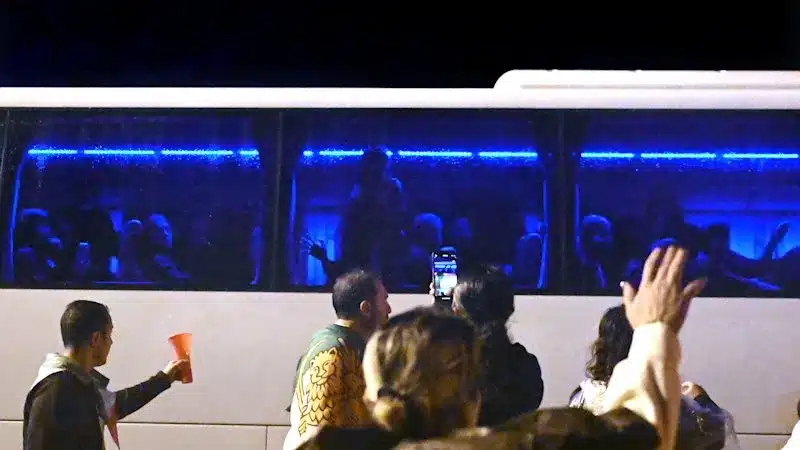
After their final match on Sunday night, cameras captured one player flashing an apparent “SOS” sign from the team bus as it departed amid media and supportive protesters. Many players are mothers with children back in Iran, heightening the stakes.
Asylum Dilemma and Isolation
The team arrived in Australia just two days before the United States launched attacks on Iran. Since then, players have lost contact with family members and received no updates on their safety. They fear brutal punishment upon return, yet seeking asylum here could endanger relatives in Iran.
Geopolitical Tensions Unfold in Australia
This drama plays out on Australian soil despite severed diplomatic ties with Iran, a nation linked to past terrorism here. The government remains discreet on potential asylum claims, handling them privately. Officials voice support for ending the theocratic regime while calling for conflict de-escalation.
Australia denies deep war involvement, though experts deem U.S.-led actions illegal. Australian personnel served on a U.S. submarine that torpedoed an Iranian vessel off Sri Lanka. The nation also aids Gulf states against Iranian drone strikes. The AUKUS alliance binds Australia closely to U.S. military and geopolitical interests.
Economic fallout mounts, with rising petrol and fertilizer prices fueling inflation. The share market shed over $110 billion in a single morning session.
Innocent athletes endure threats from state chaperones right here in Australia, underscoring the nation’s entanglement in global conflict.
