

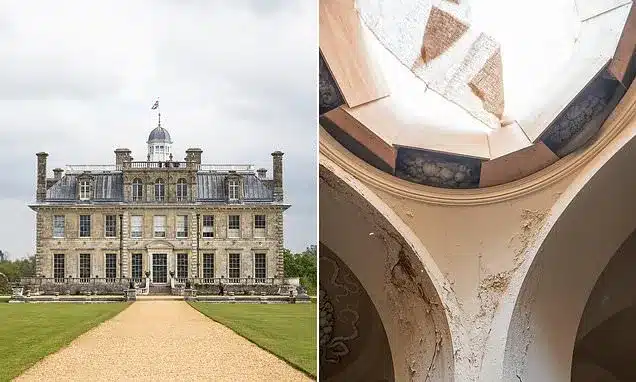
A persistent water leak has troubled the roof of Kingston Lacy house, a grand 17th-century mansion in Dorset, for nearly two centuries. Experts conducted multiple investigations, yet the source remained elusive until now. Recent detailed surveys reveal a design flaw in a cupola added in 1835 by renowned architect Sir Charles Barry, famous for the Houses of Parliament.
The Design Flaw Unveiled
Sir Charles Barry designed the dome-shaped cupola with windows glazed ‘inside out,’ positioning the protective putty on the interior side of the glass rather than the exterior. This choice, possibly made to enhance visual appeal for visitors, allowed moisture to infiltrate easily. Over time, water rotted the timber window frames, damaged paintwork, and necessitated ongoing repairs.
Historical documents confirm that the Bankes family, former owners, undertook cupola repairs. Since acquiring the Grade I-listed property in 1981, the National Trust has launched several maintenance campaigns to combat the issue.
Identification and Repair Strategy
After extensive investigations, including long-term monitoring and historic research, the property team pinpointed the leak to the inverted glazing in the cupola windows. Additional defects in the leadwork at the cupola’s base also contribute to water seepage.
Restoration work begins in stages over the next year. Teams will address the glazing, timber, and leadwork to halt the decay permanently.
National Trust Insights
A National Trust spokesman stated: ‘Detailed surveys, long-term monitoring, and historic research now give us a clear understanding of what’s really causing the leaks, which means we can now fix the problem once and for all. The current works are aimed at stopping this cycle of decay rather than repeatedly treating the symptoms.’
