

Choosing the Right Seat Can Impact Your Health on Holiday Flights
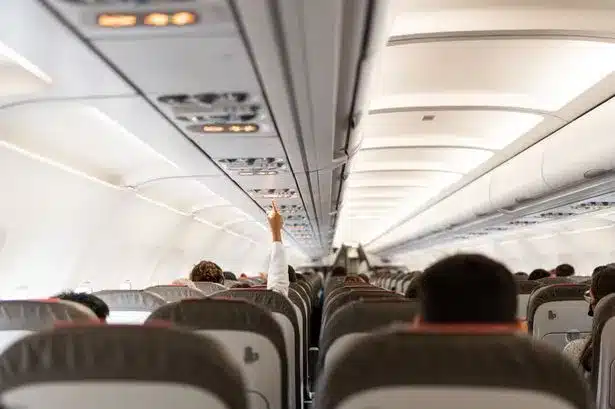
As millions prepare for summer getaways, a seemingly minor decision – the choice of airplane seat – could significantly influence their travel experience and even their health. Research suggests that opting for a window, middle, or aisle seat might affect a passenger’s susceptibility to viral infections before their holiday even begins.
Key Factors Influencing Infection Risk
While seat selection plays a role, the proximity to an infected individual is identified as the most critical factor in determining the likelihood of contracting an illness. The density of passengers on board also heightens this risk, as a larger group increases the probability of someone carrying a virus.
Other contributing elements to germ exposure include cabin airflow, passenger movement, contact with frequently touched surfaces like lavatory facilities, and the use of face masks.
Expert Advice for a Healthier Flight
Dr. Sophie Dix, Head of Medical Affairs at online pharmacy MedExpress, has provided practical guidance for travelers aiming to reduce their risk of illness during flights.
“Although there is no guaranteed way to avoid picking up an illness while flying, there are practical steps people can take to reduce their exposure to germs and viruses on planes,” Dr. Dix stated.
She emphasized that minimizing contact with germs and other passengers is paramount, suggesting that seat choice can have a more substantial impact than many realize.
Window Seats Offer Germ Protection
Window seats are recommended as they are typically situated further from high-traffic areas such as bathrooms and busy aisles. Conversely, aisle seats increase exposure to individuals moving through the cabin, those queuing for restrooms, and passengers accessing overhead luggage.
One study indicated that occupying a window seat could reduce interactions with other passengers and crew by as much as fivefold compared to sitting in a middle or aisle seat.
The Impact of Middle Seats
Further analysis suggests that leaving the middle seat unoccupied could potentially decrease the spread of airborne diseases by 37%. Therefore, selecting seats where the middle option appears available might be a strategic choice for reducing germ transmission.
“Whilst protection from illness is never guaranteed, this highlights that creating distance between other passengers greatly reduces your chances of getting sick,” Dr. Dix added.
Hygiene and Hydration are Crucial
Surfaces like tray tables, armrests, seatbelt buckles, touchscreens, and magazines are common carriers of germs due to frequent use. Wiping these down with disinfectant wipes or sanitizer can significantly lower the risk of contact with pathogens.
Maintaining robust hygiene practices, including regular hand washing with soap and water or using hand sanitizer, especially after touching surfaces, is a simple yet effective method for preventing germ spread on board.
Cabin air’s dryness can irritate the nose and throat, potentially making travelers more vulnerable to infections. Staying well-hydrated by drinking plenty of water throughout the flight is essential for bolstering the immune system. Keeping water readily accessible and drinking it regularly is particularly important, especially when traveling with children.
Masks and Rest Contribute to Well-being
Wearing a face mask is advised as it significantly reduces the transmission of airborne viruses, a measure widely adopted during the COVID-19 pandemic. Crowded flights, due to their confined spaces and close proximity of passengers, can become breeding grounds for infections, making preventative measures beneficial.
Furthermore, adequate rest before a flight is crucial. Individuals who do not get sufficient sleep are reportedly more than four times as likely to catch a cold compared to those who are well-rested. This is attributed to a weakened immune system when sleep-deprived, increasing susceptibility to infections.
