

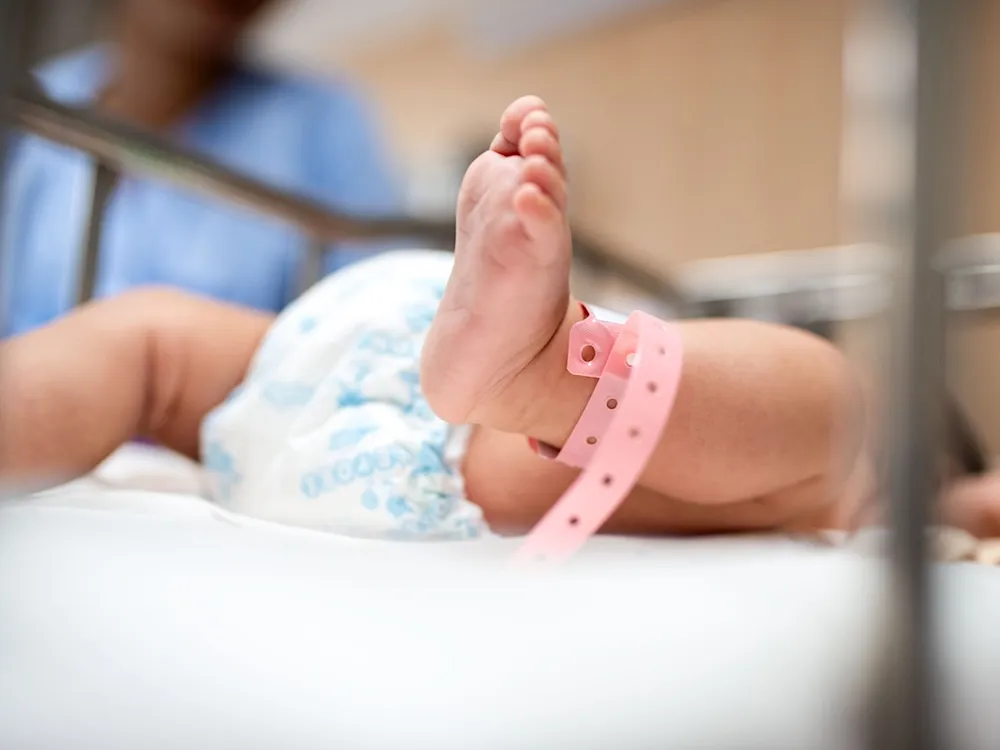
Individuals who were subjected to birth alerts in British Columbia between 1980 and 2019 are now eligible to apply for compensation as part of a proposed $66 million settlement. This significant development follows a class-action lawsuit initiated on behalf of those impacted by the practice, which saw child welfare authorities notify hospitals about pregnant individuals whose children were deemed at risk of needing protection post-birth.
Understanding Birth Alerts in British Columbia
The practice of birth alerts in B.C. involved child welfare workers from the Ministry of Children and Family Development, or delegated Indigenous agencies, contacting hospitals before a baby’s delivery. The intention was to flag infants who might require state intervention shortly after birth. Tragically, this often led to the apprehension of newborns, with many infants, particularly those from Indigenous families, being taken from their parents shortly after birth. In numerous cases, parents were not even informed that a birth alert had been issued concerning them and their unborn child.
A class-action lawsuit was formally filed in 2021 by Adrianna Zeleniski, who herself was subject to a birth alert in 2013. The legal action sought to represent all individuals who experienced this practice. The case has largely proceeded through mediation rather than extensive court battles. Mediators Jody Wilson-Raybould and Roshan Danesh facilitated discussions that ultimately led to a settlement agreement between Zeleniski and the provincial government last month.
The Path to Settlement and Compensation
The proposed settlement is awaiting final approval from the Supreme Court of Canada, which is scheduled to review its fairness at a hearing on December 4, 2026. Individuals who were subject to a birth alert will have until December 4, 2027, to formally apply to be recognized as a member of the class and to receive compensation.
It is important to note that this B.C. class-action settlement specifically addresses the birth alert itself and the alleged infringements on privacy and information sharing associated with the practice. It does not encompass claims related to the actual apprehension of children or the subsequent harms that may have resulted from Ministry of Children and Family Development actions. Jen Winstanley, a partner at CFM Lawyers LLP and counsel for the class action, explained that proceeding with a class action requires a commonality of experience and harm. The legal team determined that individual child apprehensions were too unique in their circumstances and the resulting harms to be effectively addressed within a single class-action framework.
Identifying and Applying for Compensation
According to Winstanley, electronic records within the Ministry of Children and Family Development identify approximately 3,000 individuals who were subject to birth alerts. However, she cautioned that many more parents might be affected, particularly those whose records remain in analogue, paper-based filing systems and are therefore not captured in electronic searches. In older files, a birth alert could range from an official documented form to a simple handwritten note attached to a medical record indicating the ministry had been contacted.
Winstanley offered guidance for individuals who suspect they may have been subject to a birth alert. A key indicator is if the Ministry of Children and Family Development became involved with a child’s life shortly after birth or had a presence at the hospital. Those who believe they were impacted by a birth alert in B.C. between May 31, 1980, and the practice’s cessation in September 2019 can submit a claim through the dedicated Birth Alerts BC website. The website provides access to claims helpers who can assist applicants through the submission process, which may involve granting permission to review relevant hospital records to confirm the presence of a birth alert.
Details of the Proposed Settlement
If approved, the settlement aims to provide a minimum of $2,000 to each eligible class member. Indigenous class members are slated to receive additional compensation. The final amount distributed to each individual will be contingent on the total number of eligible claims submitted. Beyond individual compensation, the proposed settlement includes provisions for a collective fund intended to support families and communities affected by birth alerts, though the specifics of this fund are still being determined.
Individuals who were subject to a birth alert and are dissatisfied with the proposed settlement terms have the option to file an objection form, also available on the Birth Alerts BC website. The website clarifies that the settlement does not constitute an admission of guilt by the province, a point Winstanley noted is standard in such legal proceedings.
Provincial Acknowledgment and Future Steps
The province has previously acknowledged the harm caused by birth alerts when it officially ended the practice in 2019 and has committed to issuing a further public statement. The Ministry of Attorney General stated that it could not comment on the specifics of the class-action settlement as it remains before the courts. However, the ministry did acknowledge that birth alerts were predominantly issued in relation to marginalized women, with Indigenous women being disproportionately affected.
In a statement, the ministry recognized the trauma experienced by these women and affirmed that ending birth alerts reflects a commitment to strengthening families and keeping them intact. Statistics from 2019 indicated that approximately 65% of the 6,365 children in the care of the Ministry of Children and Family Development were Indigenous. As of June 30, 2026, this figure remained high, with just over 68% of the 5,030 children in care being Indigenous.
British Columbia was the first province in Canada to discontinue the practice of issuing birth alerts, a move that has since been followed by other jurisdictions. Other class-action lawsuits concerning birth alerts are ongoing in Quebec, Ontario, Manitoba, and Saskatchewan.
