

When the Champions League last-16 draw occurred, reactions highlighted concerns over repeated matchups. Manchester City faces Real Madrid for the fifth straight season and sixth time in seven years. Pep Guardiola described the fixture as “a little bit weird.”
Record English Presence Raises Questions
England boasts six clubs in the last 16, an unprecedented achievement. High-level officials privately view such national dominance from any country as undesirable. The competition’s structure increasingly favors this trend rather than countering it.
Financial strength ensures Premier League teams secure multiple spots annually, extending advantages into the Europa League. Recent expansion to 36 teams allocated extra places to top domestic leagues following super club lobbying, providing added security amid Super League discussions.
Financial Growth Fuels Inequality
Recent reports emphasize revenue surges in European football. Uefa president Aleksander Ceferin and finance director Andrea Traverso highlight this growth. However, inequality lurks deeper: clubs need around £450 million in income to contend for the title, a threshold met by only 11 teams, including Tottenham Hotspur.
No outsider has claimed victory since AC Milan’s 2007 triumph under Silvio Berlusconi. Prize money reinforces this elite circle, prompting debates on redistribution.
Decline of Underdog Stories
European football thrives on variety, yet familiar faces dominate. Past eras featured surprises like Dynamo Kyiv (1997-99), Dinamo Tbilisi (1979-83), Valencia (1999-2001), Deportivo La Coruna (2001-04), and Lyon (2002-08). These teams balanced giants and injected freshness.
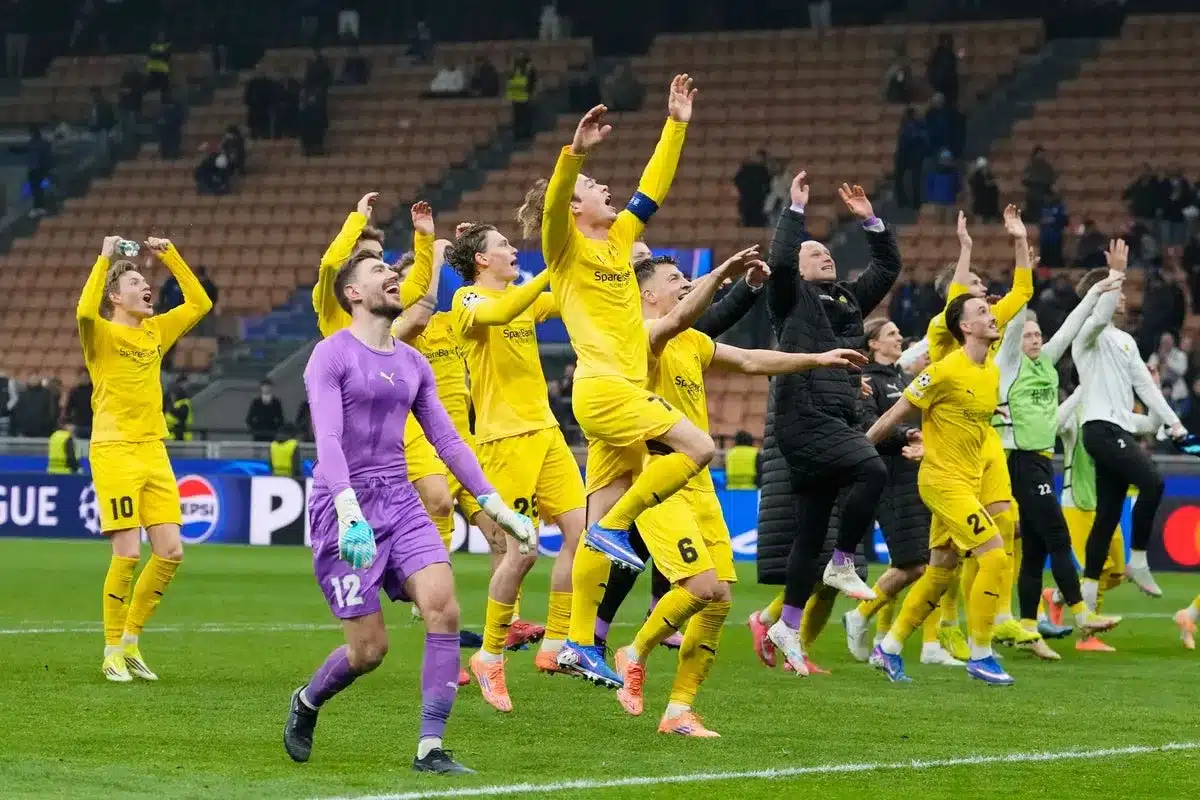
Recent standouts include Napoli (2022-23), Ajax (2018-19), and Borussia Dortmund (2012-13). Bodo/Glimt stands out as exceptional, underscoring the challenge. Their prize haul risks creating a one-team Norwegian league.
Reviving Competition Balance
Uefa’s Intelligence Committee and European club groups address these issues amid super club pressures. Former Uefa president Michel Platini recognized the need for European spirit. Regulations should foster more Bodo/Glimts through unpredictability and broader participation.
The knockout stages deliver high stakes and excitement through May. Yet, true continental appeal demands diverse winners and nations, countering economic logic with sporting vitality. Unpredictability defines elite sport, and Champions League knockouts will soon reaffirm this potential for improvement.
