

Shock Electoral Defeat
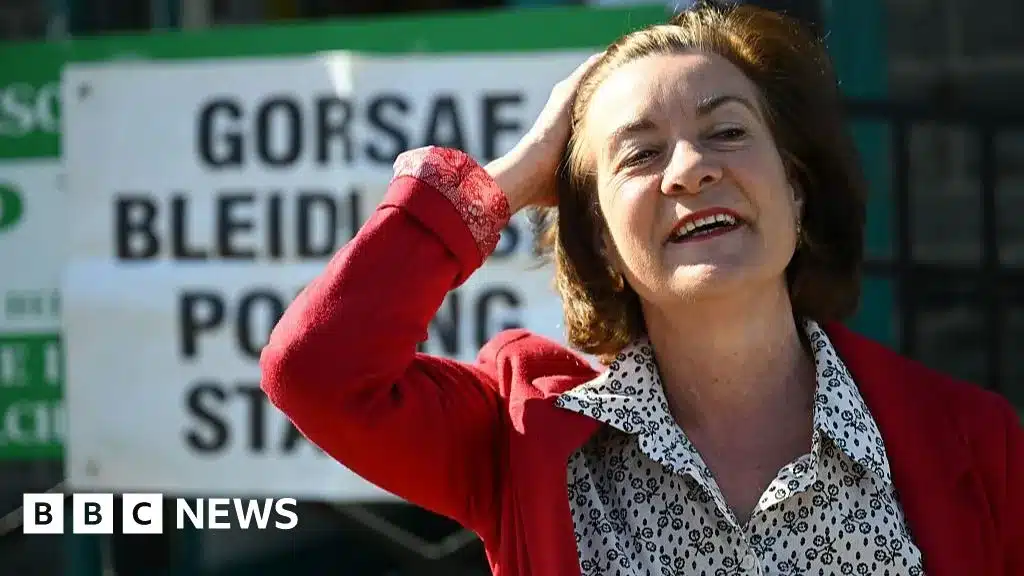
Eluned Morgan achieved a grim milestone on Friday, becoming the first leader of a UK government to lose her own seat while in office. Voters decisively rejected her administration and the Labour Party in the Senedd election. She stepped down as Welsh Labour leader immediately after her loss in Ceredigion Penfro.
Morgan assumed the role of Wales’ first female first minister in summer 2024 amid party turmoil. Even the most cautious observers could not have foreseen the scale of the electoral setback that struck the party.
Leadership Transition and Early Promises
Morgan launched her tenure vibrantly, proclaiming that “grey suits are out.” Her priority was mending divisions within the Cardiff Bay Labour group following the short-lived leadership of predecessor Vaughan Gething, who served only 139 days. With just 19 months until the Senedd election, restoring momentum seemed daunting after nearly three decades in power.
Some anticipated a lift from Labour’s return to Downing Street under Sir Keir Starmer. Yet, governing from both ends of the M4 corridor brought complications. In the campaign’s closing stages, Morgan highlighted UK Labour pledges like funding for new railway stations, support for a nuclear power station on Anglesey, and other investments. These paled against a deteriorating political landscape fueled by early UK government controversies, Conservative legacies, global unrest, and communication struggles.
Focus on Voter Priorities
Morgan kicked off with a summer listening tour across Wales, differentiating herself from the introspective phase under Gething. The tour led to commitments targeting voter concerns, including hospital waiting lists and road repairs. Teams filled numerous potholes and secured extra funds to hit three key NHS waiting-time goals before the election. Progress occurred, but the targets fell short, and any gains proved insufficient to sway outcomes.
After over 25 years, Welsh Labour could no longer buck political trends. The party and its sixth first minister plummeted in the results.
Political Roots and Career Path
Born into politics in Cardiff’s Ely, Morgan grew up in a Labour stronghold. Her father, Reverend Bob Morgan, led South Glamorgan County Council and wrote a regular column for the South Wales Echo. Her mother, Elaine, served as a councillor. Figures like future first ministers Rhodri Morgan and Mark Drakeford frequented the family home.
She joined her local Labour branch as a teen, attended Ysgol Glantaf, earned a scholarship to Atlantic College, and studied at the University of Hull. After television work, she entered politics as the youngest European Parliament member at age 27 in 1994, serving until 2009. She then joined SSE in energy before returning via a 2011 peerage as Baroness Morgan of Ely, shadowing Welsh affairs in the House of Lords.
Elected to the Welsh Assembly in 2016 for Mid and West Wales, she placed third in the 2018 Labour leadership race behind Mark Drakeford and Vaughan Gething. Drakeford appointed her health minister, tackling COVID backlogs, rising waits, strikes, and reinstating special measures for Betsi Cadwaladr health board. In 2022, she faced a driving ban for speeding violations.
Stabilizing Role and Ultimate Challenges
During Labour’s 2024 leadership, she supported Gething over Jeremy Miles. After his tenure collapsed, Morgan unified the party without factional ties, delivering sharp performances in First Minister’s Questions. Broader pressures—a fatigued party, parallel Westminster Labour governance, and defending long-term rule—overwhelmed her efforts.
The campaign saw traditional Labour backers wary of Reform gains, a fear Plaid Cymru leveraged masterfully. Morgan leaves Welsh Labour weakened, entering opposition as a diminished force in a larger Senedd, overshadowed by expanded Plaid Cymru and Reform blocs.
Looking Ahead
A new leadership contest looms, offering Welsh Labour a moment to reassess its mission and strategy. As the former health secretary and sixth first minister, Morgan navigated tough conditions in limited time with notable attempts at reform.
