

Montreal Policies Leave Vacant Buildings Vulnerable to Repeat Fires
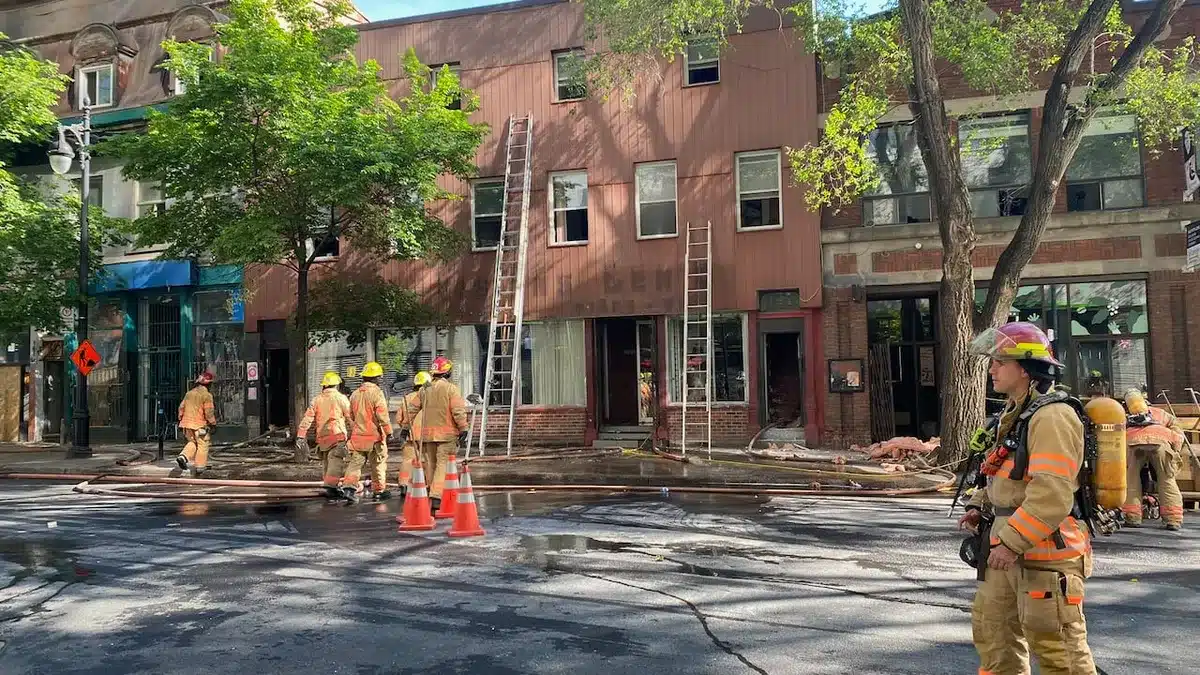
When flames tore through a building on St-Laurent Boulevard in May 2024, firefighters punched holes in floors and ceilings to extinguish the blaze completely. Debris, including gyprock, wood, and soaked insulation, littered the site. The fire originated in the Bouillon Bilk restaurant below apartments occupied by Jane Lu’s elderly father, her brother, and top-floor tenants.
Water damage proved extensive, leading to an engineer’s report declaring a 90 percent loss. Authorities condemned the structure. Lu’s family consulted claims adjusters and insurers but lacked funds to rebuild. They sought permission to demolish and leave the lot vacant, yet officials required a detailed rebuilding plan first.
“We’re not in the building-making business,” Lu explained, amid the stress of displacement.
Months of Uncertainty and Safety Concerns
The building stood empty for months. An engineering assessment barred access except for debris removal, citing no immediate collapse risk but highlighting squatter dangers. Fears intensified after a vacant structure on nearby St-Dominique burned two months prior, linked to squatters.
The family barricaded doors, windows, and erected a rear fence. Still, less than a year later, a squatter broke into the restaurant basement, igniting another blaze. “The place went up in flames,” Lu recounted. Over 100 firefighters battled the inferno, which caused partial collapse. The fire department then demolished the remains.
Property Owners Face Bureaucratic Hurdles
Lu’s family requested a demolition permit, viewing it as the safer option during planning. Officials denied it without replacement project plans and financing proof. “If this costs $4 million and we lack the funds, you’re allowing a dangerous building to stand?” Lu questioned. “This fails to protect the public.”
Even seasoned developers struggle. Daniel Goodfellow, who renovated vacant Plateau neighbourhood properties, found the process so frustrating he swore off future projects there. Heritage preservation rules make demolition rare unless public safety looms imminent.
“They hold leverage over owners,” Goodfellow suggested, speculating the city pressures repairs or sales while structures stand. He distinguished Lu’s situation: “They’re not builders. How can you demand architects, engineers, plans, and financing?” Owners face fire-sale pressures or injury risks from repeat incidents.
Firefighters Warn of Recurring Blazes
Chris Ross, head of Montreal’s firefighters’ association, notes vacant buildings often ignite multiple times. “Firefighters hope these structures burn completely on first response,” he said. “Partial survival means return visits without demolition.”
City Prioritizes Heritage Over Vacant Lots
Montreal reviews demolition requests against proposed replacements of greater public benefit. Owners may seek emergency permits for public dangers, per Caroline Braun, executive committee member for housing.
Braun explained reluctance for vacant lots: preserving cultural and architectural heritage prevents destroying valuable structures merely due to repair costs exceeding new builds.
Ross acknowledges heritage goals but insists fire-damaged vacancies invite repeats. “Demolish or renovate to code—leaving them empty risks recurrence,” he urged.
Lu’s building lacked heritage designation, despite some architects noting historical value. Lu calls for case-by-case evaluations based on owners’ compliance, like tax payments and rule adherence, while recognizing resource constraints.
