

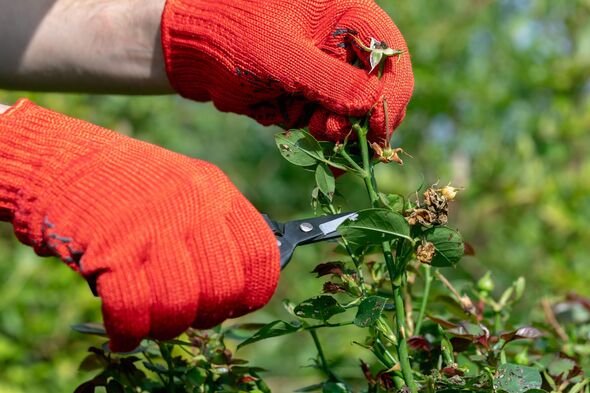
Pruning helps maintain healthy plants by removing dead, dying, or diseased branches, promoting strong growth. During winter dormancy, when many pests and diseases are inactive, pruning minimizes infection risks on fresh cuts for trees and shrubs.
Timing and Tools for Effective Pruning
In February, gardeners in southern UK regions can tackle essential pruning tasks for roses, fruit trees, hedges, and shrubs. Gardening expert Monty Don recommends completing these jobs now to support vigorous spring growth.
Monty Don stresses the importance of using sharp pruning tools. He notes, “Not only does it make life much easier, but it also makes for much cleaner cuts and therefore causes less damage to the plant. Sharp tools are also much safer.”
Pruning Roses for Robust Blooms
Roses thrive as hardy shrubs and recover well from pruning, even aggressive cuts. Monty Don highlights three key points for success.
Shrub Roses
These roses need minimal attention. Monty Don advises a light trim to remove long, damaged, or crossing branches in winter or early spring. He adds that a hedge trimmer works effectively for quick shaping. For some, late summer or early autumn pruning offers an alternative.
Climbing Roses
Climbing roses fall into two groups. True climbers produce single large flowers from early summer through autumn. Prune them in autumn or winter to create a framework of lateral stems with side branches for new spring growth. Monty Don suggests removing about one-third of the oldest, woodiest stems annually to keep the plant rejuvenated.
Ramblers, which bloom once in mid-summer with clusters of smaller flowers, require little pruning. Train and trim them right after flowering, as blooms appear on stems from the previous late summer.
Hard Pruning for Late-Flowering Clematis
Late-flowering clematis varieties, such as Jackmanii, Viticella, Gypsy Queen, Hagley Hybrid, Perle d’Azur, and Ville de Lyon, benefit from hard cuts starting mid-February. These plants flower on spring growth, so clear away last year’s stems now.
Monty Don cuts them back to about two feet from the ground, ensuring at least two healthy pairs of buds remain. This approach encourages fresh shoots and abundant blooms.
Pruning Butterfly Bush for More Flowers
The butterfly bush, Buddleia davidii, flowers on new growth, making February ideal for pruning in southern or sheltered spots. In colder areas, wait up to a month.
Hard pruning now stimulates new shoots and extra summer flowers. For free-standing plants, cut back to two or three basal shoots. In borders, reduce to two or three feet high to avoid shading nearby perennials and ensure good airflow.
These techniques, applied correctly, lead to healthier plants and more vibrant displays by summer.
