

Last spring, an impressive procession of cinnabar moth caterpillars marched up the roadside verge near my home. Clad in striking yellow and black stripes, they clustered on common ragwort plants, thriving amid the untamed growth.
Early Setback Last Year
The local council’s participation in No Mow May had allowed these plants to flourish, supporting vital insect life. However, mowing crews arrived prematurely at month’s end, shredding the ragwort and caterpillars alike. The destruction left the area barren and highlighted challenges in maintaining wild verges.
Purpose of No Mow May
Launched in 2019 to boost wildflowers, pollinators, and biodiversity, No Mow May addresses stark losses: 97% of the UK’s flower-rich meadows have vanished since the 1930s, while 41% of insect species teeter on the brink of extinction. In response, Liverpool city council implemented a reduced mowing strategy for verges.
Not all residents support the approach—some maintain the verges themselves. Queries to council members about last year’s incident went unanswered, underscoring communication gaps on environmental matters.
Promising Signs This Season
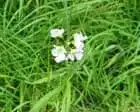
Encouragingly, mowing began in mid-April this year. A recent survey on a sunny day revealed 21 plant species reviving the verges. Dandelions fringe the edges, their seed heads glowing like beacons after feeding insects. Daisies carpet the ground, joined by emerging leaves of white clover, shepherd’s purse, common chickweed, spear thistle, yarrow, common bird’s-foot trefoil, and common ragwort. Cuckoo flowers hide in shaded corners, poised to bloom.
A flock of 18 starlings descended suddenly, probing the soil in unison for the abundance of insects stirred by the unmown turf. Their activity aerates the earth, fostering healthier ecosystems.
Plans are underway to watch for cinnabar moth caterpillars on ragwort this month and advocate for an extension into Let it Bloom June to sustain the momentum.
