

New South Wales public schools are set to implement significant reductions in daily classroom screen time, with new limits scheduled to begin in 2027. These measures will become mandatory from the 2028 school year, providing educators and institutions with a year to adapt to the forthcoming changes. This initiative mirrors a similar move by the Victorian government, which also plans to decrease screen time in its classrooms starting in 2027.
Addressing Concerns Over Excessive Digital Use
The decision in New South Wales stems from government research indicating that excessive screen use among students is a growing concern. NSW Education Minister Prue Car highlighted the issue, stating, “An entire generation of students are increasingly living in an online world.” She emphasized the government’s commitment to safeguarding student health and educational outcomes, noting, “We have a responsibility to ensure their health and education isn’t adversely affected by excessive screen use.”
Minister Car pointed to alarming statistics, revealing that teenagers are reportedly spending as much as seven hours a day on screens. This coincides with a noticeable decline in reading and writing skills across a generation of children. “When the research is telling us teenagers are spending as much as seven hours a day on screens and we are seeing reading and writing skills going backwards for a whole generation of children, we have to act,” she asserted.
New Guidelines for Screen and Print Engagement
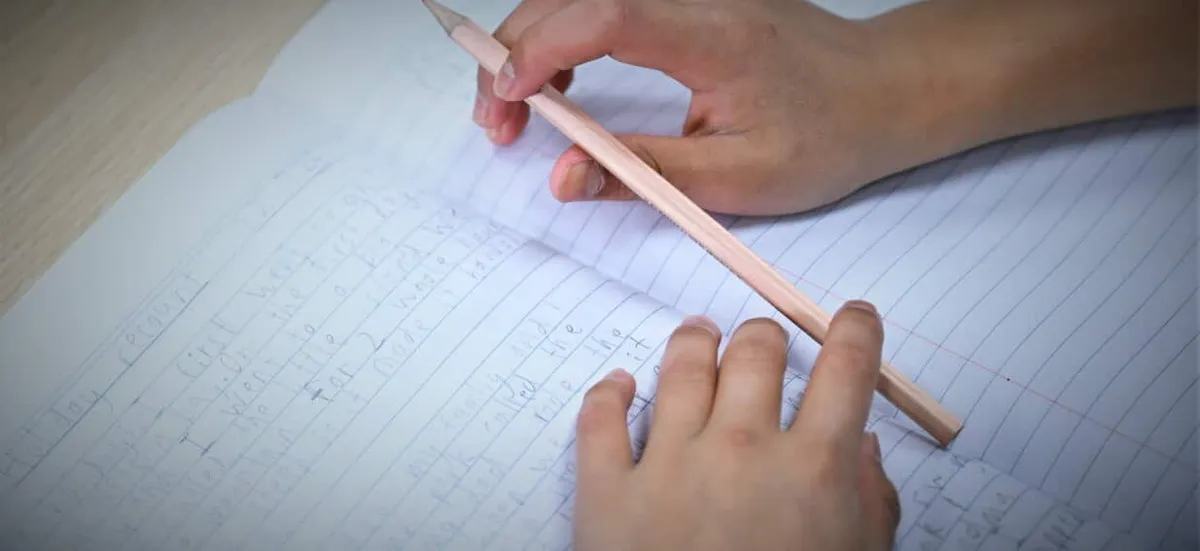
Under the new policy, schools are being advised to limit screen-based homework. Furthermore, the use of digital devices is not recommended for students in Years 1 through 4. In contrast, the guidelines strongly advocate for a minimum of one hour of daily learning that involves pen-and-paper activities. This emphasis on traditional methods is supported by research highlighting the cognitive benefits associated with handwriting and reading printed materials.
These changes are a direct response to recent performance data from international and national assessments. The OECD Programme for International Student Assessment (PISA) exam results indicated that Australian high school students achieved record-low scores in mathematics and reading. Compounding these concerns, Australian students dedicate nearly twice the average time spent by OECD students on digital devices for learning purposes. National Assessment Program Literacy and Numeracy (NAPLAN) results further corroborated these findings, with approximately one-third of students failing to meet basic literacy and numeracy benchmarks. Reading scores saw a decline across most grade levels compared to the previous year, with only Year 5 students demonstrating improvement in writing.
Specific Screen Time Limits Introduced
The new NSW policy outlines specific daily screen time limits, averaged across a school week:
- Kindergarten to Year 2: A maximum of 15 minutes per day.
- Years 3–4: A maximum of 30 minutes per day.
- Years 5–6: A maximum of 45 minutes per day.
For secondary school students, the limits are structured differently:
- Years 7–10: Screen time will be capped at one-quarter of class time for each subject.
- Years 11–12: Screen time may extend up to half of the class time per subject.
Provisions for Special Circumstances
The policy includes provisions for exemptions and adjustments to accommodate students with specific needs. These include students with disabilities, those requiring additional support, learners for whom English is not their first language, and situations where digital technology is an integral part of a personalized learning plan.
Expert Endorsement for Balanced Learning
The importance of moderating screen time for children’s well-being has been underscored by health professionals. NSW Health chief paediatrician Helen Goodwin commented on the necessity of a balanced approach to a child’s day. “A healthy day for children and young people includes a mix of being active, getting enough sleep, and building active social connections with their peers and family,” she stated. Dr. Goodwin added, “We know that too much time spent on screens impacts these important daily activities that support healthy growth and development.”
Conclusion: Prioritizing Foundational Skills
The introduction of reduced screen time in NSW public schools signifies a strategic shift towards prioritizing foundational learning skills and overall child well-being. By encouraging more pen-and-paper activities and limiting digital device usage, the state aims to counteract declining literacy and numeracy rates and ensure students develop essential skills in a healthier, more balanced educational environment. The phased implementation allows schools and teachers ample time to integrate these changes effectively, fostering a learning landscape that values both traditional methods and mindful technology use.
